What is the ticket money actually paying for?
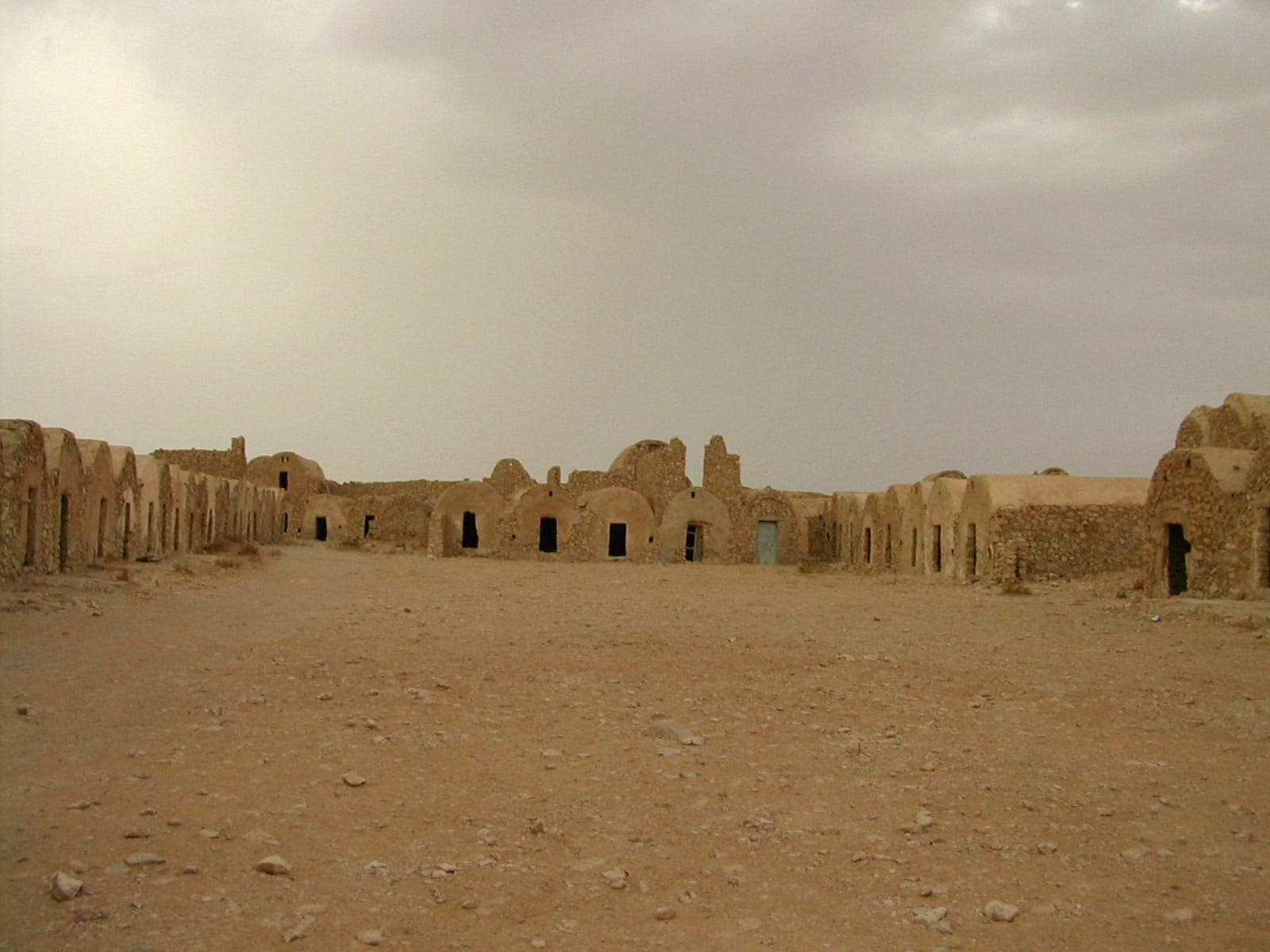
E-FEST Camp doesn't sell fixed-price tickets. It runs pay-what-you-can, a model the festival describes as a virtuous circle between contemporary culture and heritage preservation. The money goes toward Ksar El Ferch itself, the fortified Berber granary village the whole event is staged inside, near Ghomrassen in the Tataouine governorate of southern Tunisia. When the festival first moved here for its April 2025 edition, organizers said ticket revenue would go directly into restoring the site's ghorfas, the stacked vaulted chambers Berber communities once used to store grain and olive oil. Decades of abandonment have left many of them crumbling. The 2026 edition, running October 29 to November 1, is the second to put that model to the test at scale.
It's a small, grassroots operation behind it: the association Echos Electrik, which has run E-Fest since 2007. The original E-Fest held thirteen editions at Carthage's cathedral before going quiet for years. Ksar El Ferch isn't a comeback to the old format, it's a full reinvention, trading a tourist-friendly Roman ruin for a working, crumbling heritage site the festival itself is now on the hook to help save.
Who's actually playing a desert ksar in 2026?
Don't expect a house-festival headliner poster. The 2026 bill, across three stages set inside the ksar's central courtyard and at the nearby Hotel Dakyanus, leans techno, bass and experimental electronic: Tunisian producer Deena Abdelwahed, Marwa Belhaj Youssef, Cheb Runner, Ko Shin Moon, Abadir, Pan-J and Virus2020 are the names on the musical program, spread from Friday the 30th through Sunday the 1st. It runs alongside digital art installations projected inside the ghorfas, an Agora space for debates and masterclasses, land art, and daily excursions into the surrounding desert, programming that reads closer to an art biennale than a rave.
Ksar El Ferch is an ancient, fortified Berber granary. Artistic creation here is put at the service of inhabitants, heritage and imagination.
Why does a centuries-old granary matter to the scene?
Because the location is doing more work than most festival venues ever do. The ghorfas of southern Tunisia's ksour are the same vaulted granary architecture George Lucas filmed as the backdrop for Luke Skywalker's home turf, and the region of Tataouine is where the name Tatooine actually comes from. Ksar El Ferch itself sits on UNESCO's tentative list for the cave dwelling and the world of ksour in southern Tunisia. A festival choosing to plant itself there, and tie its own survival to the building's survival, is a rarer model than the sponsorship-deck, promoter-margin economy that runs most of electronic music's festival circuit.