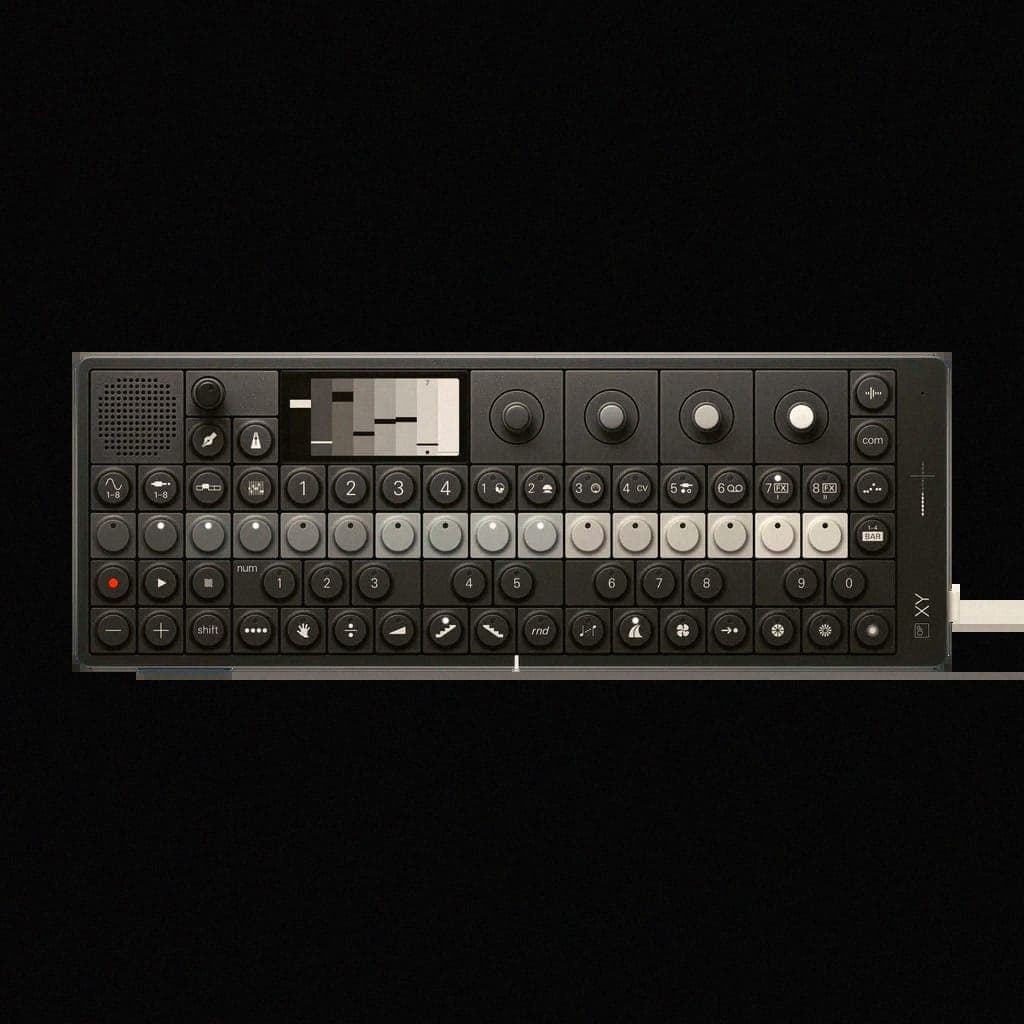
Erica Synths builds hardware that invites tinkering, modular gear with exposed PCBs, DIY kits, schematics for the asking. Opening up the LXR-02's firmware is the same instinct applied to a finished, boxed drum machine, and it is a bigger move than it sounds, because the LXR-02 was never a throwaway product. It was built with Sonic Potions' Julian Schmidt, the German developer whose earlier open-source drum synth designs already have a cult following among electronics-literate producers.
What does opening the firmware actually change?
Until October 23, the LXR-02 ran one firmware: Erica Synths and Sonic Potions' own. Now the source code is published for anyone to read, fork and flash. In practice that means someone could rewrite how any of the six synthesis voices behaves, add sequencer features the factory firmware never shipped, or build an entirely different drum engine on the same circuit board. The hardware, six voices with over 30 adjustable parameters each spanning clean analogue-drum emulations to crunchy digital noise, plus a 64-step sequencer with performance controls, stays the same. What runs on it no longer has to.
Erica Synths puts its own reasoning plainly: "The LXR-02 has always been a great instrument on its own, with simple yet extensive sound design capabilities, but we realized it could also be a great platform for experimentation." The company says it is "curious to see what new ideas, features and approaches emerge, and where this experiment will take the instrument."
Why now, and why call it 'vibe hacking'?
Erica Synths' own term for this is telling. The company is betting that AI-assisted coding tools have lowered the bar for firmware modding enough that producers without a formal embedded-systems background can realistically contribute, not just read the code but actually ship working changes. That is a different proposition than open-sourcing firmware purely for transparency or preservation. It is a company explicitly inviting its user base to become its R&D department.
"We are curious to see what new ideas, features and approaches emerge, and where this experiment will take the instrument."
What's the catch?
Erica Synths is blunt about where support ends. The company backs only the original stock firmware. Install a custom build and something goes wrong, and you are on your own: no troubleshooting for code Erica Synths didn't write, and if a bad flash damages the bootloader, fixing it means paying for a repair. For a 490 euro machine (VAT not included), that is a real risk, not a footnote. It is the standard open-firmware trade-off: more instrument, less safety net.
Why it matters
Most drum machines at this price point ship locked down, firmware updates only from the manufacturer, modding limited to physical mods or third-party overlays. Erica Synths handing over the actual sound-engine code turns the LXR-02 into a platform other hardware makers will be watched against: open firmware as a selling point, not an afterthought.
What we think
This is the right kind of open source, not a dead product being open-sourced on its way out, but a current one Erica Synths is actively still selling. Pairing it with Sonic Potions' pedigree means the first wave of community firmware will likely be good, not just novel. The vibe hacking framing is a little cute, but the substance, a manufacturer trusting its own user base with the actual sound engine, is the real story.