What actually got cancelled?
In the last week of June 2026, a record heatwave forced organisers across Europe to call off a run of outdoor events. In Paris, the long-running charity festival Solidays was cancelled on the advice of the police prefecture. In the Netherlands, Q-dance pulled the plug on Defqon.1 in Biddinghuizen after a single day and said it would refund every ticket. Paris Pride was pushed back to September, Ironman Nice was scrapped, and on 27 June the Rotterdam-Rijnmond safety region went further still, banning all outdoor mass gatherings outright. Even a Katy Perry set at Belgium's Werchter Boutique fell, that one to thunderstorms rolling in behind the heat.
How hot did it get, and what is a code red?
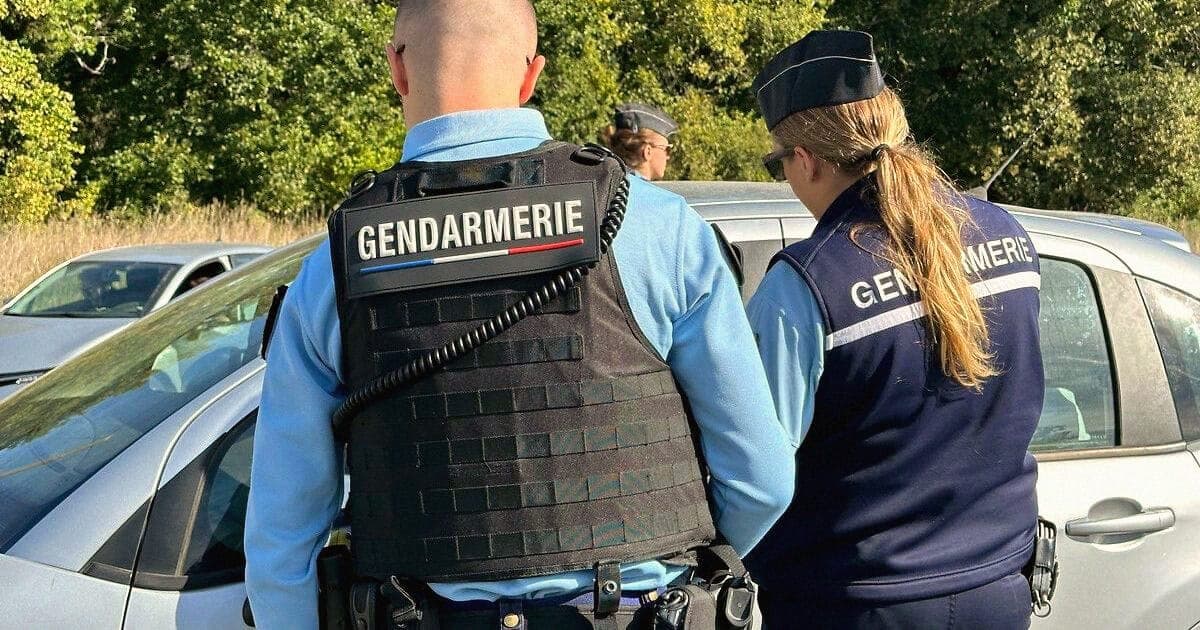
The numbers were historic. Spain reached 45.1°C in Andújar on 22 June and France 44.3°C in Pissos the next day, and by 25 June France had placed 72 of its 96 metropolitan departments under red alert. The Netherlands then issued its first ever code red for heat on 26-27 June and logged its first super-heatwave, three consecutive days above 35°C. Paris restricted alcohol sales for the duration, banning public drinking between noon and 7am. A code red is not just a temperature reading; weather services trigger it when the heat itself becomes a threat to public safety and infrastructure, which is exactly why it can shut an event overnight.
What does this mean for the festival calendar?
The summer open-air season is the financial backbone of the dance calendar, from Ibiza terraces to the field raves that bankroll a thousand smaller artists. "Too hot to gather" is a failure mode promoters cannot fully insure against, and it is arriving earlier and harder every year. The festivals that survive the next decade will be the ones that plan for it: more shade and water, medical capacity built for 40°C, sets pushed deeper into the night, and a calendar that stops treating a brutal June as a freak accident.
When a national weather service can cancel your festival overnight, the model itself is exposed.