Why did EXIT leave its own country?
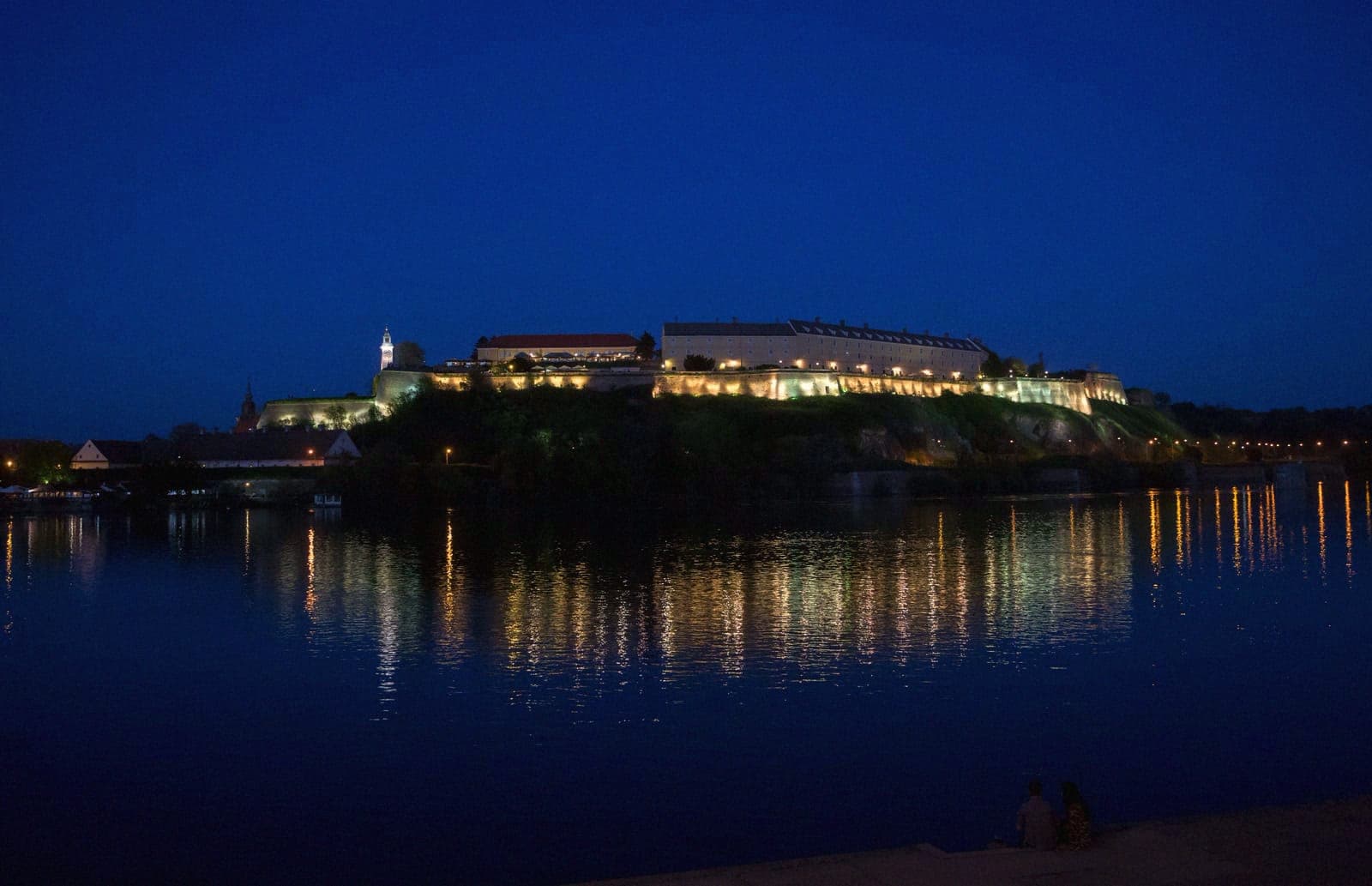
EXIT Festival built its name over 25 years at Petrovaradin Fortress in Novi Sad, turning a riverside citadel into one of Europe's biggest summer festivals. That run broke in 2025. After a railway station canopy collapsed in Novi Sad on November 1, 2024, killing 16 people, the accusations of government negligence and corruption that followed grew into a national student-led protest movement. EXIT backed the students publicly, on its own social channels and through other initiatives. The retaliation, according to the festival, was immediate: political, security and financial pressure on the organization severe enough that it walked away from its own fortress for the 2026 edition. In May 2025, founder Dusan Kovacevic's brother Milos was detained on the eve of one of the movement's largest demonstrations.
What is actually happening in Belgrade on November 28?
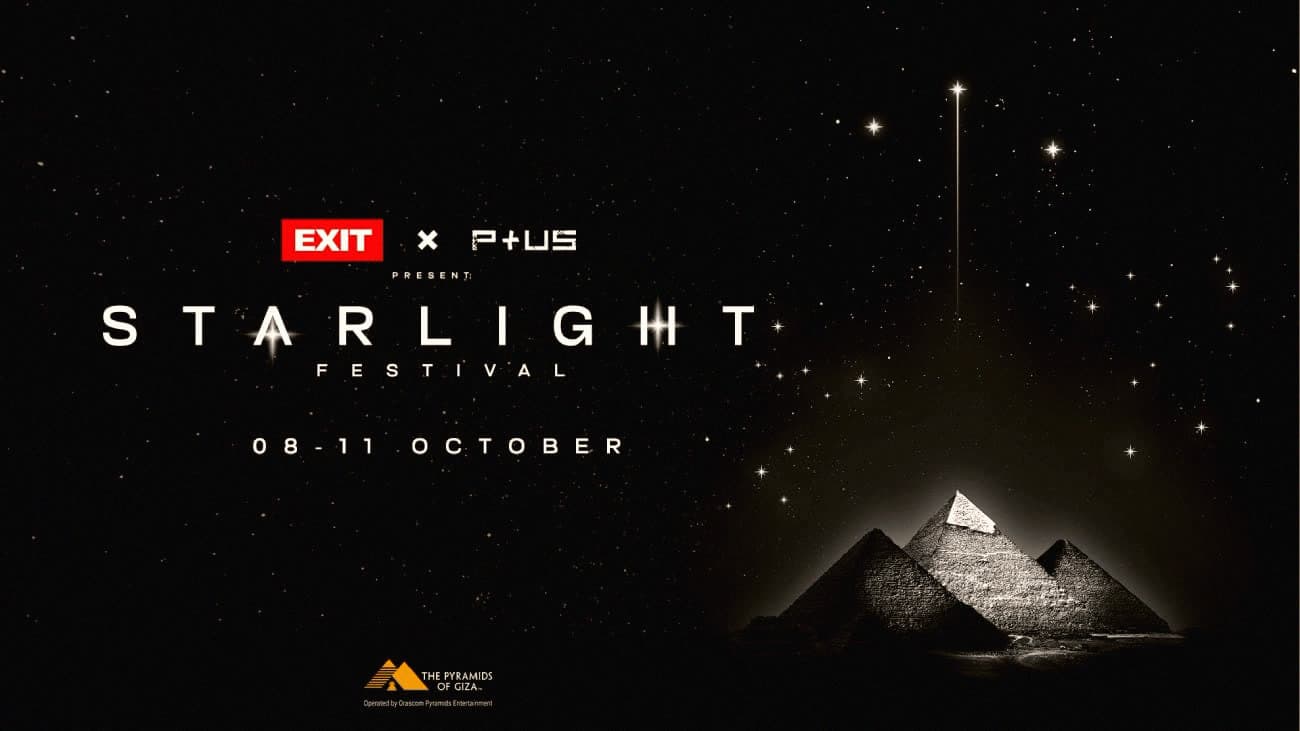
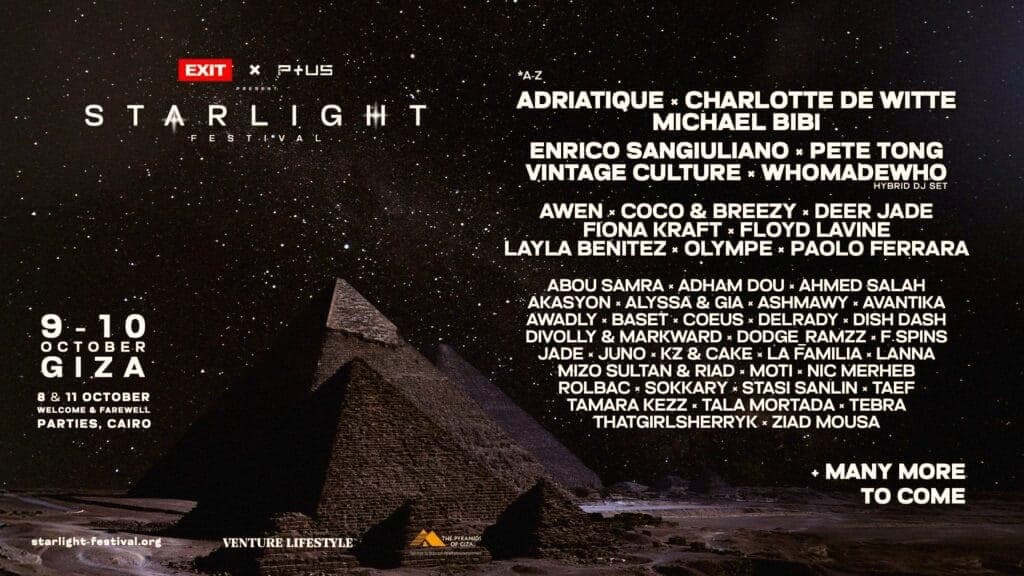
Rather than fold, EXIT spent 2026 building a touring version of itself: Sea Star Festival in Croatia, a Macedonia date, Malta in August, a first-ever Egyptian edition at the Great Pyramids of Giza in October, and EXIT's debut in Mumbai, India, in November. No Sleep, the techno-focused winter rave that grew out of an EXIT side stage into its own standalone event, keeps a foothold at home: the November 28 edition runs at the Port of Belgrade, an industrial site on the Danube that has hosted past bills with Amelie Lens, Nina Kraviz, Bicep and Artbat. It is the one date on the 2026 tour still physically in Serbia.
"Music has always been more than entertainment, it's a powerful force that brings people together and builds bridges between nations and cultures," Kovacevic said when the global tour was announced.
Defiance, insurance policy, or retreat?
None of those words quite fits what the calendar shows. EXIT did not abandon Belgrade: it kept a date there while taking its brand, and its revenue, onto five continents. That reads less like surrender and more like hedging, a festival spreading its bets while its home market turned hostile. Calling it pure defiance oversells it too: the flagship summer festival, the 25-year institution, still sat out 2026 entirely. What the global tour actually did was buy EXIT time, and leverage, while a political fight it had no control over played out at home.
What changed with Serbia's election?
It played out fast. On October 29, 2026, Serbia's Student List opposition, the electoral arm of the movement EXIT had backed, won a historic election that ended Aleksandar Vucic's decade-plus grip on power. Kovacevic called it "a historic moment" for the country. EXIT followed within days with its own announcement: a special edition back at Petrovaradin Fortress in 2027, and a full-scale return to the old format in 2028. The November 28 Belgrade date now lands in an odd, charged window, a rave staged by a festival that just watched the government which exiled it lose office.
Why it matters
EXIT just demonstrated that a festival brand big enough to tour five continents can outlast a government that tries to punish it for taking a political side, and that the punishment can end up costing the government more than the festival. Any promoter weighing whether solidarity with a protest movement is worth the business risk now has a concrete data point.
What we think
The fact that EXIT's only Serbian date this year is squeezed between a Mumbai debut and a Pyramids edition tells you more about how precarious it is to run a festival with public politics than any press release will admit. The global tour wasn't a side project, it was the insurance policy that let the brand survive long enough for the politics at home to turn back in its favor. Belgrade should enjoy November 28, it very nearly didn't happen at all.