Why did EXIT leave Serbia in the first place?
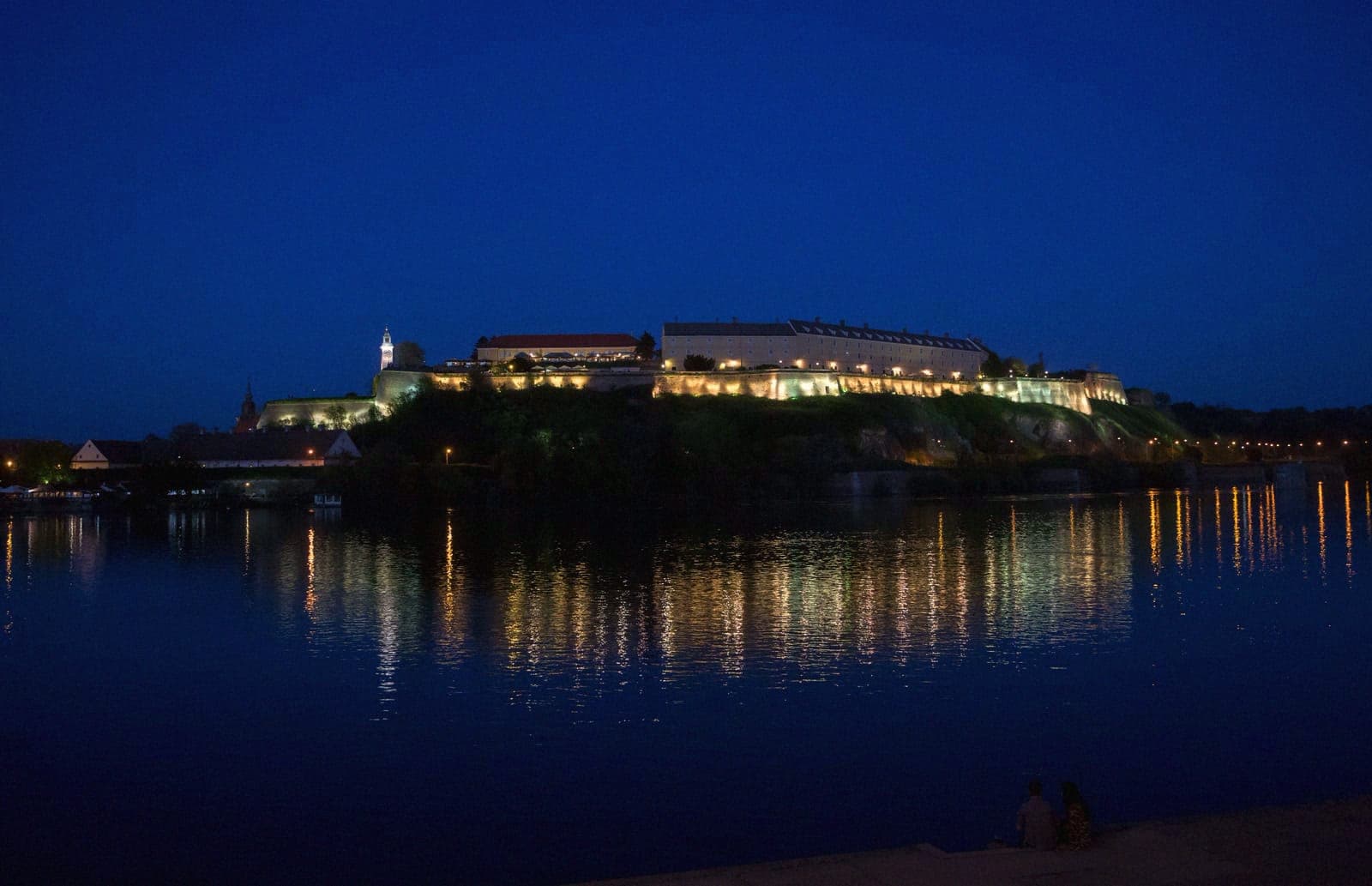
EXIT Festival didn't quietly skip a year. After its 2025 edition at Petrovaradin Fortress, organizers pulled the festival out of Serbia entirely, citing political, security and financial pressure from Aleksandar Vucic's government. The cost was concrete: more than 1.5 million euros in public co-funding and government-linked sponsorships, gone. For a festival that fills Novi Sad's fortress walls every July, that's not a rounding error, it's the kind of hit that forces an organization to rebuild its business model from outside its own country.
So EXIT took its name on the road. In 2026 it ran a "Starlight Festival" at the Great Pyramids of Giza in Egypt, and staged events in Macedonia, keeping the brand alive while its home address sat empty.
What's actually planned for 2027 and 2028?
The comeback isn't instant. EXIT has confirmed a special edition for July 2027 back at Petrovaradin Fortress, framed by organizers around "freedom, unity and love," before a full-scale reopening in 2028. Festival director Dusan Kovacevic put it directly:
"Now, thanks to the courage and perseverance of Serbia's students, freedom has returned to our country. And after taking EXIT's spirit around the world, we are finally coming home."
Organizers say the full 2028 return needs at least 18 months of preparation: rebuilding sponsorships, security arrangements and logistics that a hostile government doesn't hand back overnight.
Why does the timing matter?
This isn't a coincidence of scheduling. Vucic lost Serbia's October 26, 2026 election to the Student List party, which took 52.71% of the vote after nearly two years of student-led protests, the same kind of movement that put EXIT on the map in 2000, when Novi Sad students launched the festival as a direct protest against Slobodan Milosevic. A festival born fighting one authoritarian government is now returning home almost exactly as the government that exiled it loses power to a movement built on the same instincts.
That symmetry is why this story travels past Novi Sad. It's a live test case: can a cultural institution built its identity on resistance actually come home once the fight it was having looks won, or does returning right on cue just look like opportunism dressed as principle?