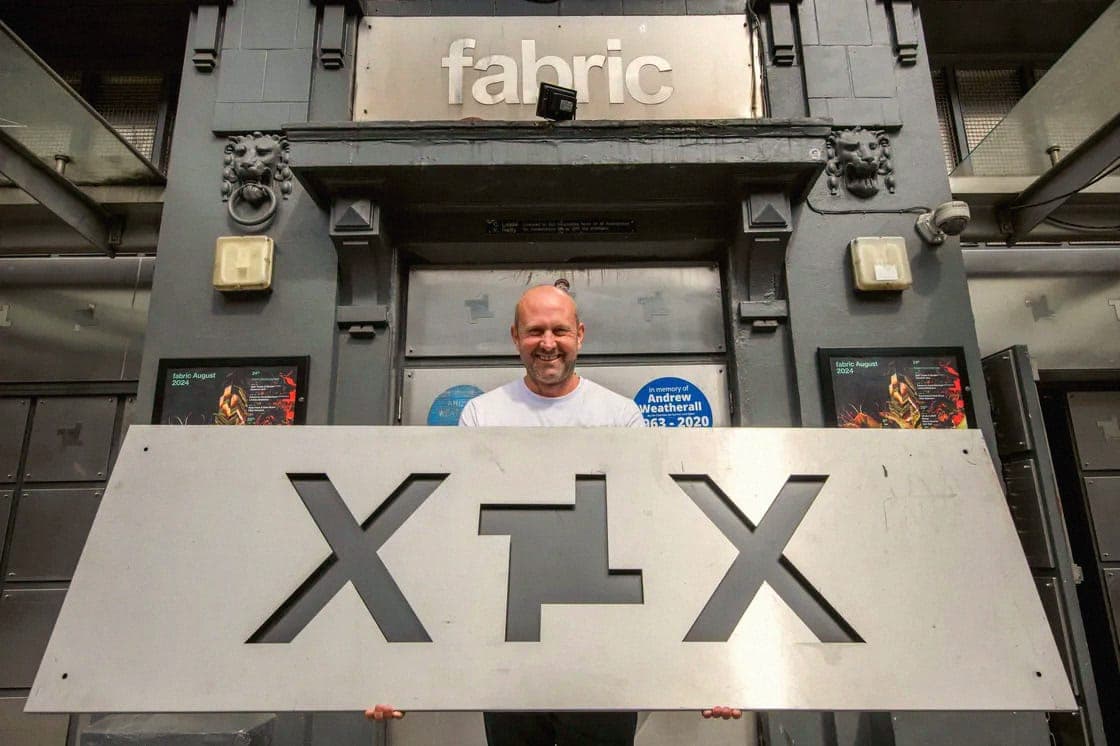
How did fabric almost not make it to 27?
In September 2016, Islington Council did not fine fabric or slap it with a warning. It revoked the club's license outright, shutting one of house and techno's most influential rooms for good, after two 18-year-olds died from the effects of MDMA taken inside the venue within six weeks of each other that summer. The Metropolitan Police argued the club's door searches were "inadequate" and warned that further drug-related deaths were likely if the venue stayed open.
What followed was one of the loudest campaigns British clubland has mounted: a petition that gathered close to 150,000 signatures, DJs and promoters speaking out publicly, and weeks of negotiation with the council and the Met that produced a new licensing deal by November. fabric came back for a reopening weekend on January 6 to 8, 2017, under conditions it still runs under today: tighter ID checks, covert surveillance and lifetime bans for anyone caught dealing or holding.
What's actually on this weekend?
Nine years on, fabric is marking 27 years in the same Charterhouse Street building with a 30-hour marathon: doors at 23:00 on Friday October 16, running through Monday October 19, 2026. The FABRICLIVE room leans bass and club: Skee Mask, Oneman, Girls Don't Sync, Osmosis Jones and fae. The fabric room is the heritage slot, headlined by Craig Richards, fabric's own resident for 18 years, alongside Ricardo Villalobos, Anna Wall, Bobby and DJ Masda.
fabric's reopening conditions were built around tighter ID checks and covert drug surveillance, not a lighter booking policy, and the 27th birthday bill proves it: Richards and Villalobos are exactly the kind of programming the club nearly lost its license defending.
Why does a club's birthday matter to the rest of the scene?
Plenty of venues this size would have reopened in 2017 and played it safe: shorter nights, blander bookings, less of the after-hours culture that got them in trouble in the first place. fabric kept Richards on the bill for years after reopening and keeps booking the Villalobos-tier of minimal and techno that built its reputation in the first place. A 30-hour party is a statement that the room survived on its own terms, not a watered-down version of itself.