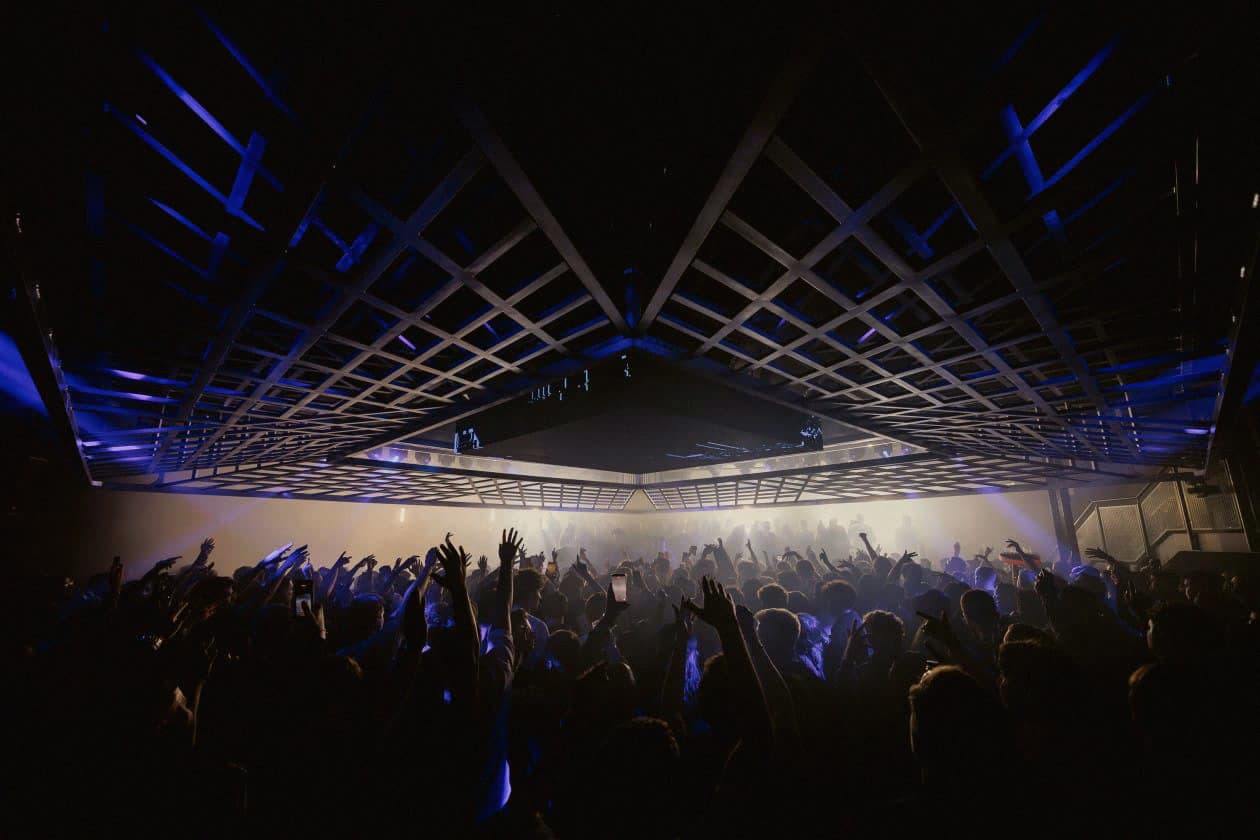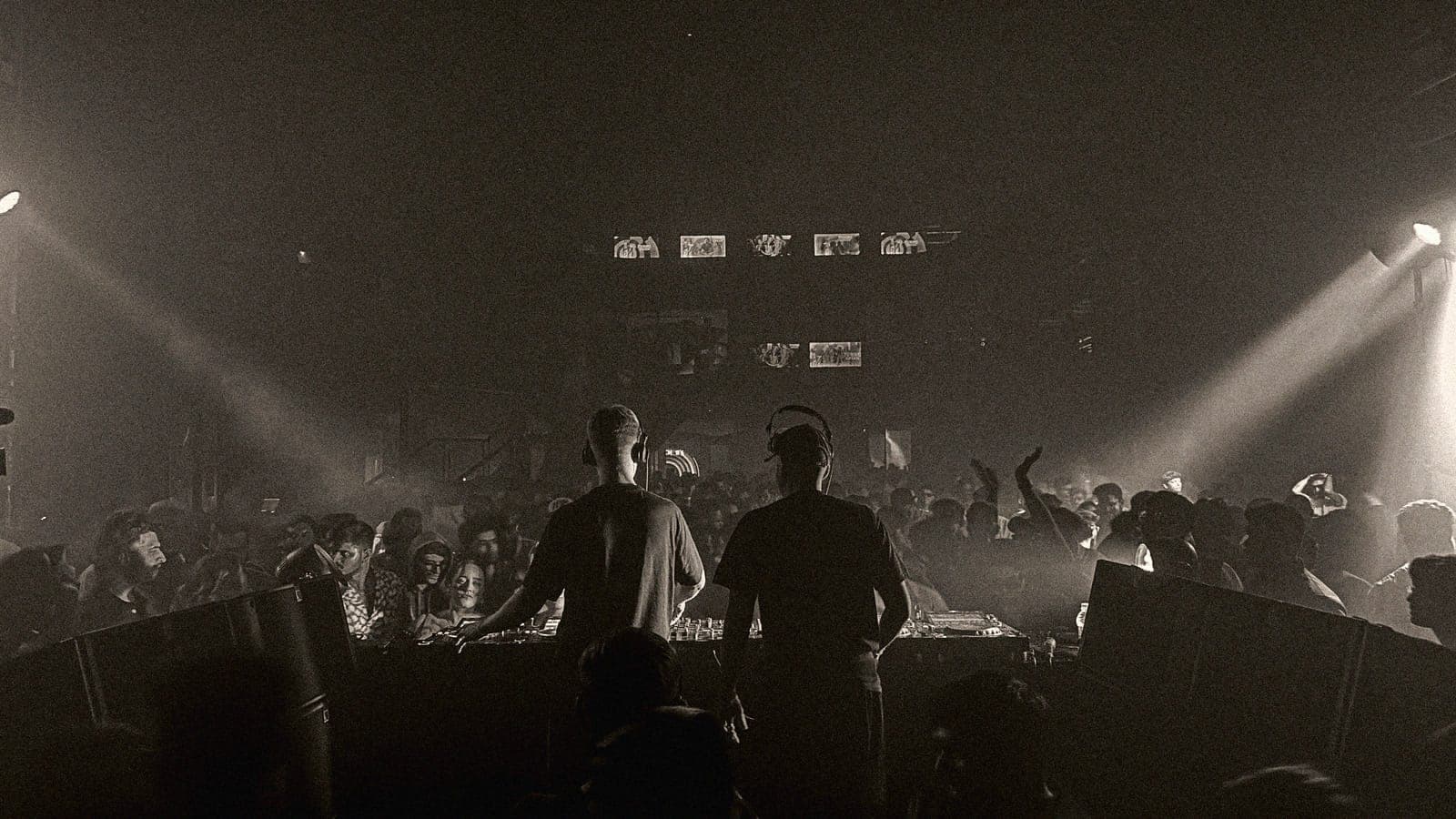
A club's sound system is the one piece of production nobody photographs and everybody feels. fabric just replaced two of its three: Room 2, unchanged since 2016, and Room 3, unchanged since 2018, both torn out and rebuilt from the ground up in five days, timed to land before a 24-hour reopening event.
What actually changed in each room?
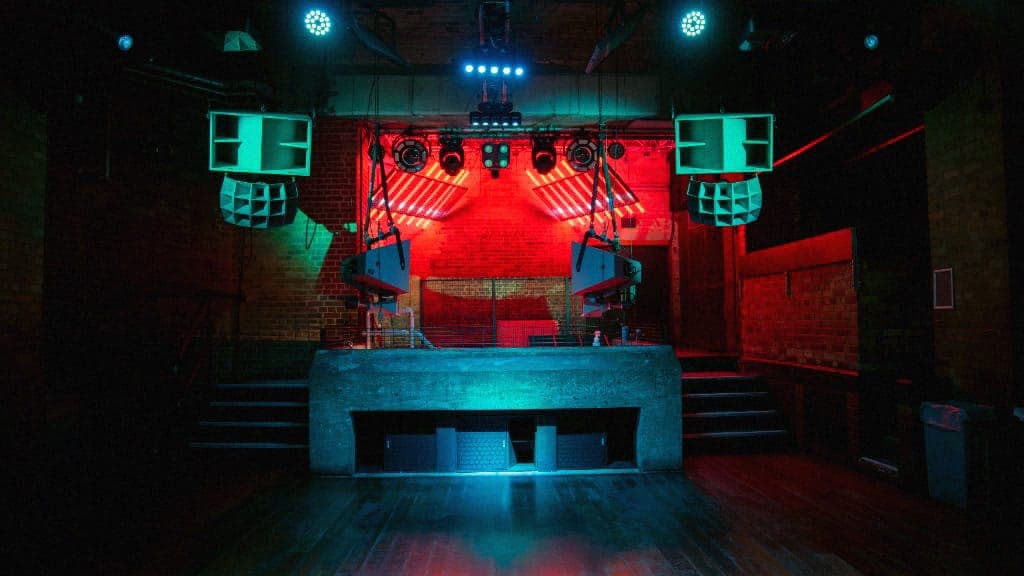
Room 2's new rig is a six-point system, effectively a quad configuration with side fills, built around multicell full-range boxes with a 21-inch bass horn mounted on top of each, plus seven separate bass bins arranged in a horseshoe around the room rather than stacked at the front. That layout matters more than the brand name on the boxes: a horseshoe bass arrangement spreads low end evenly across a room instead of concentrating it near the stage, which is exactly the problem most clubs never fix because it means ripping out a working system to test something unproven.
Why build bespoke instead of buying a standard rig?
Both systems were co-designed in-house by fabric's Technical Manager, Matt Smith, working directly with Norwegian audio specialists NNNN Audio, with each room's rig engineered specifically for its own architecture, materials and physical dynamics rather than a single off-the-shelf solution dropped into two different spaces. Room 2 previously ran on a Pioneer Pro Audio installation, a well-regarded, widely used commercial system; swapping it for a room-specific bespoke build is a bet that a space this well known deserves engineering tuned to its actual walls, not a catalogue spec sheet.
How does a club rebuild its sound system without shutting down for months?
The entire process, acoustic panel work, removal of the old systems and installation of the new ones across two rooms, ran in five days, timed to finish just ahead of a 24-hour reopening event. That is fast for any sound install, let alone two at once, and it follows a similar overhaul of Room 1 in 2024, which means fabric has now rebuilt every room in the building inside three years.
Why it matters
A sound system this considered doesn't show up on a flyer, but it's the difference between a club that sounds like everywhere else and one people travel for specifically because of how a kick drum lands in that room, and fabric just re-engineered two of its three from first principles instead of buying what everyone else buys.
What we think
The horseshoe bass layout in Room 2 is the detail worth paying attention to: most clubs treat bass distribution as a problem you manage around, not one you solve, because solving it means a full teardown most venues can't justify. Fabric just did it twice in one week.