What exactly did the prefects ban?
The interesting move this June was not banning the parties. Prefects do that every summer. The interesting move was banning the trucks. Over the weekend of 19 to 22 June 2026, the weekend of the Fête de la Musique and the summer solstice, prefect after prefect signed orders forbidding the circulation of any vehicle carrying sound-system gear toward an unauthorised rave, teknival or free party. Not the rig firing in a field. The rig in the back of a van on the motorway.
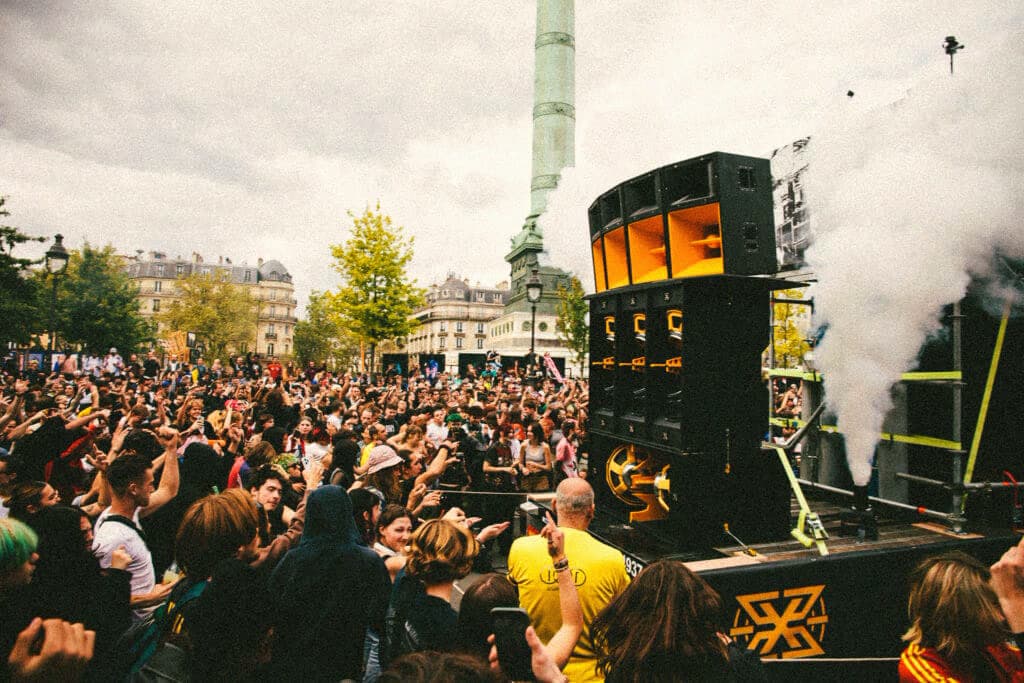
In the Vendée the order ran from 19 to 22 June inclusive and leaned on Article R.211-2 of the Code de la sécurité intérieure, the clause that lets a prefect restrict traffic to head off a public-order problem. It was the third such ban there in a matter of weeks, after two in May. The wording targeted "matériel de sonorisation destiné à des manifestations non autorisées": sound gear bound for unauthorised gatherings. Read it plainly and it means a sound system loaded in a vehicle is now treated as a thing the state can stop on the road.
How wide did the crackdown spread?
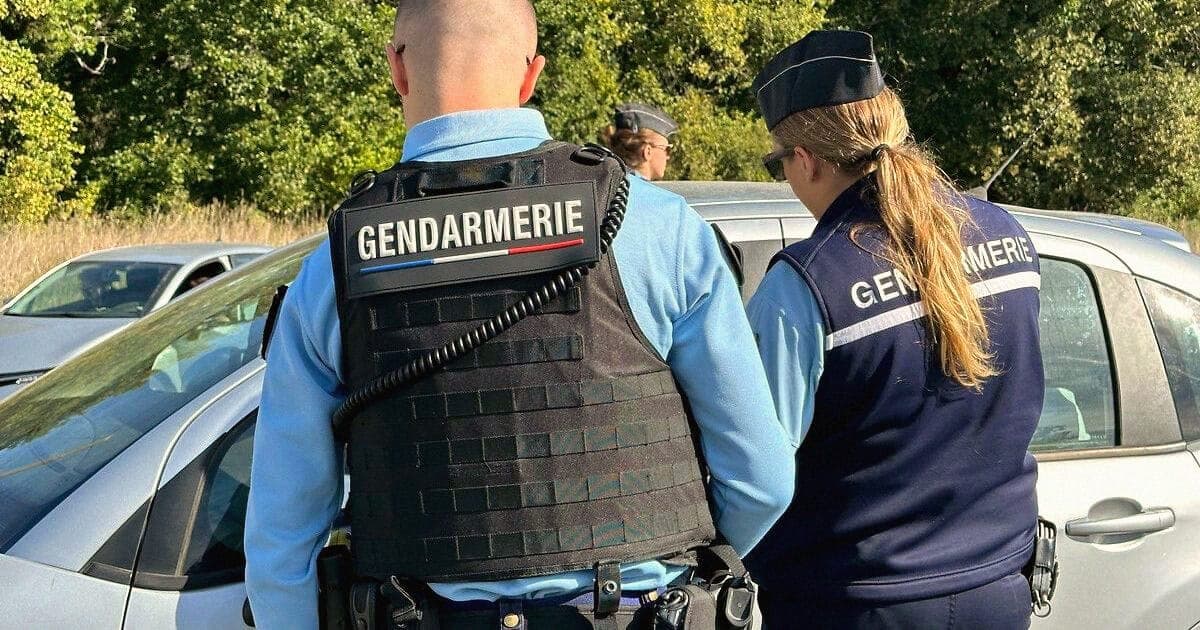
Calvados went department-wide. The prefect banned undeclared festive musical gatherings from 19 June through 22 June at 10am, and in the same stroke banned the transport of sound equipment "susceptible d'être utilisé" at such events, announced on the prefecture's own social account and timed squarely at the 21 June Fête de la Musique. The same template landed across the country through the month: Maine-et-Loire, Morbihan, Cantal, Ardèche, the Hautes-Pyrénées, each with its own version of the same two-part ban on the party and on the gear that makes it possible.
They are no longer just policing where you dance. They are policing whether your speakers are allowed to be in a moving van.
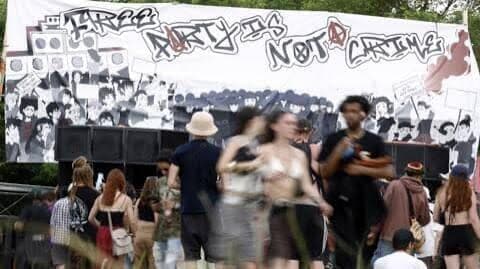
None of this happened in a vacuum. A teknival near Redon on 18 to 19 June drew around a thousand people and ended in a contested, violent police operation, the kind of scene the free-party world has been documenting and litigating for years. The bans rolling out days later read, to anyone inside that scene, as the logistical front of the same fight.
Why does banning the vehicle matter more than banning the party?
Because it moves enforcement upstream, off the field and onto the road, where there is no party yet to point at, only a hunch about where a van is headed. A free party with no declared organiser and no fixed address has always been hard to stop once it is running. Stopping the convoy before it arrives is cheaper, cleaner and far more total: no rig, no rave. This sits on top of the national loi-1133, which lowers the declaration threshold for unauthorised gatherings from 500 to 250 people and adds prison and fines for organisers, and which the Tekno Anti Rep collective calls "liberticide". The road bans are the same logic made physical: the easiest way to kill a sound system is to make sure it never reaches the field.