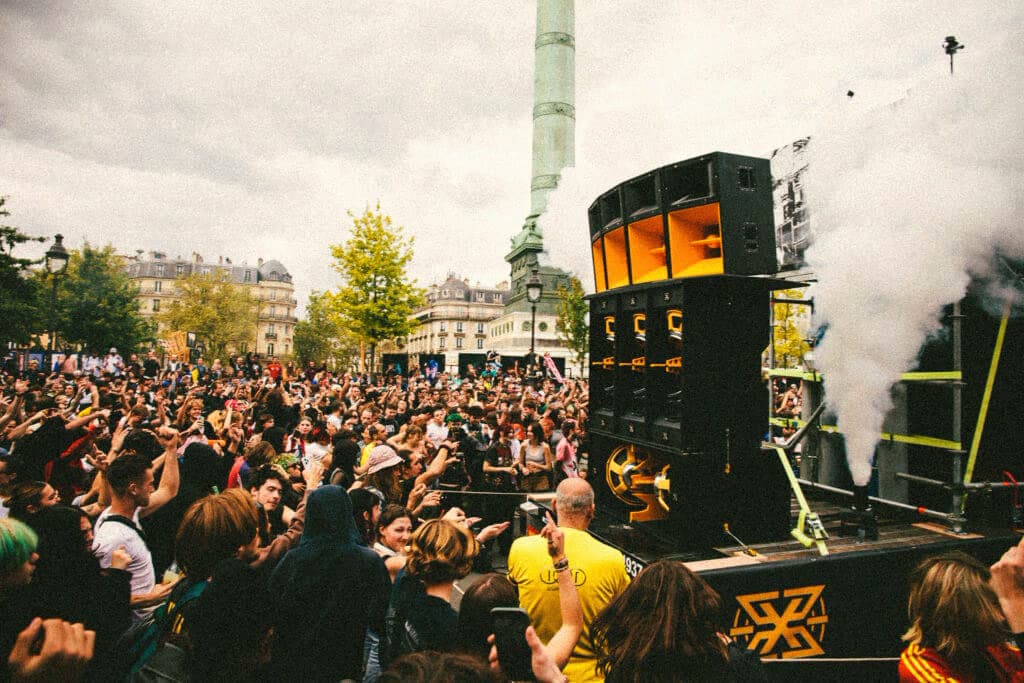
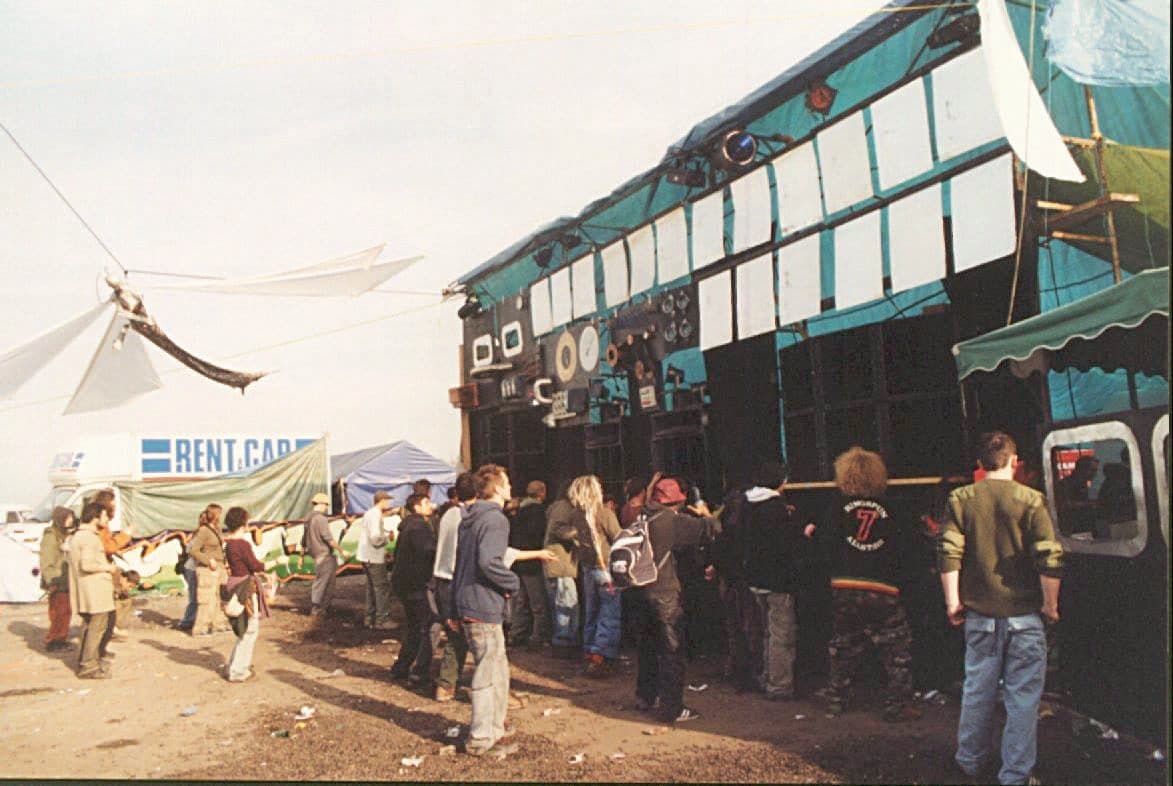
How many times can one department ban the same party?
Right now, nobody is allowed to throw an unlicensed rave in Mayenne. The prefecture's November 17 decree blocks all teknival, rave-party and free-party gatherings across the department from noon on Friday, November 20, through noon on Monday, November 23, 2026, this exact weekend.
It is not an isolated move. A few hundred kilometers south, Deux-Sèvres is running its fourth ban of the year: after bans in May and July, the prefecture shut the department down again from November 6 to 9, then signed a fresh one on November 10 that runs clear through to November 30, citing fire risk, unauthorized land use and insufficient safety planning. Sub-prefect Tony Chesneau-Lloyd signed that decree by delegation from prefect Valérie Michel-Moreaux.
This is the new normal: pre-emptive, blanket, weekend-by-weekend bans, department by department, whether or not anyone has announced a party.
What does RIPOST actually criminalize?
Behind the decrees is RIPOST, short for Réponses Immédiates aux Phénomènes troublant l'Ordre public, la Sécurité et la Tranquillité. Parliament adopted it definitively on July 21, 2026, the Constitutional Council validated most of the text on August 14, and it entered into force on August 20 as Law No. 2026-798. It lowered the attendance threshold that triggers a mandatory prefectural declaration from 500 people to 250.
The penalties are the real shift. Organizing an unauthorized rave is now a criminal offence carrying up to two years in prison and a 30,000-euro fine, roughly double what it was before RIPOST. Showing up can mean six months and 7,500 euros, though police can instead offer a 1,500-euro on-the-spot fine. Sound-equipment rental companies now have to keep renters' ID for three months or face their own two-month, 3,750-euro exposure.
"The goal of the RIPOST law is to make organizing free parties nearly impossible," Tekno Anti Repression Bordeaux told Le Type.
The bill followed an unauthorized teknival-style gathering on military training land near Bourges, and it did not pass quietly: thousands marched against it in around 30 French cities before the final vote.
Is anyone still going anyway?
Yes. Overnight on November 7 and 8, about 40 people set up in a forest near Courzieu, west of Lyon, on a parcel inside Rhône's own standing ban. Gendarmes from Saint-Laurent-de-Chamousset rolled in around 9 a.m. after neighbours complained about the noise and got the music shut down.
Forty people is a small crowd by teknival standards, nowhere near the tens of thousands RIPOST was designed to stop. But that is the point critics keep making: the law was built for Bourges-scale gatherings and is now being used to chase a few dozen people into the woods, where the legal stakes for showing up are a criminal record rather than a parking ticket. Tekno Anti Repression's warning is that criminalizing a subculture this hard just pushes it further underground, pointing to Italy's harder crackdown as a preview of where that road leads.