What did GForce actually build?
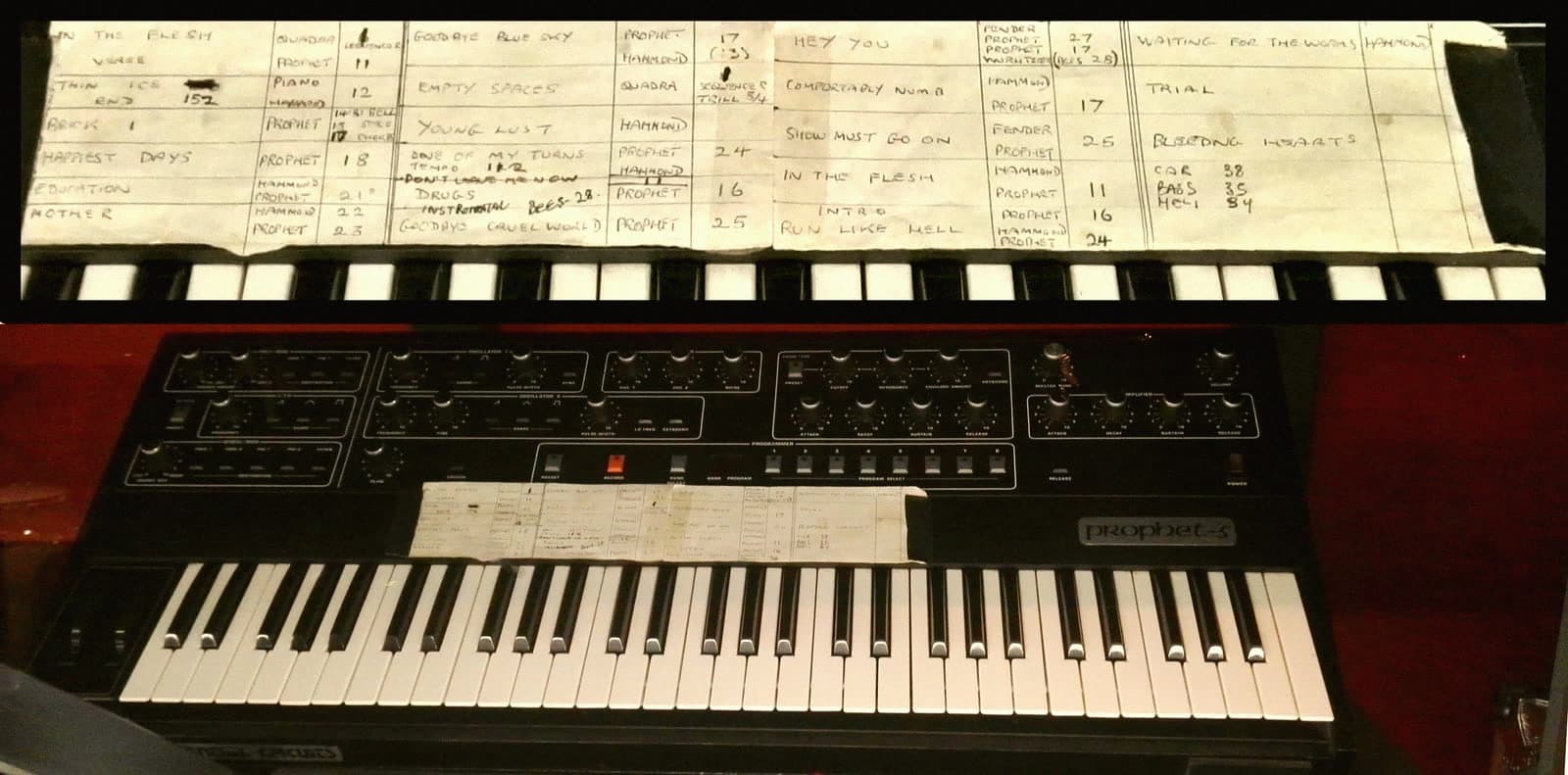
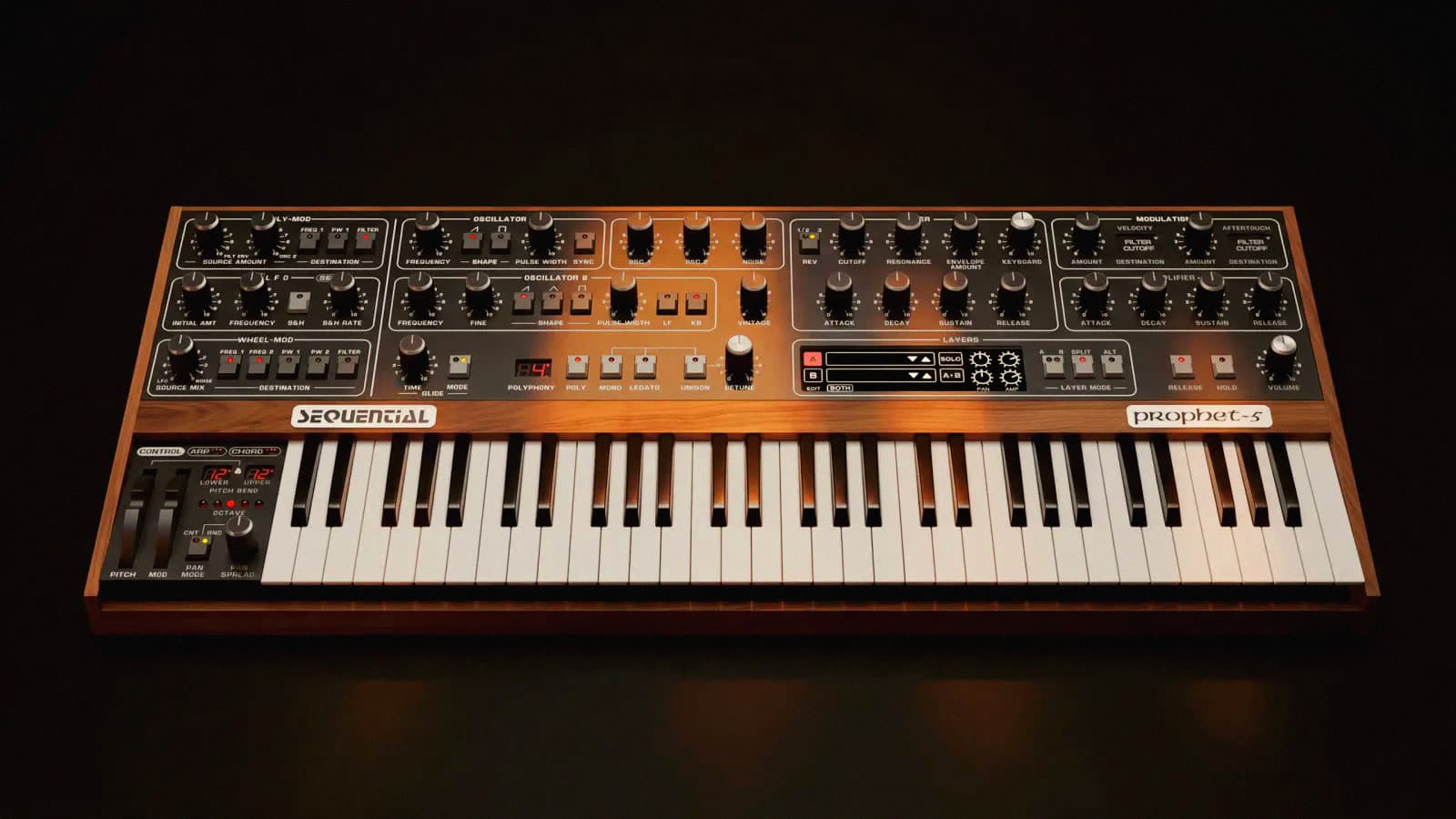
GForce has spent years doing officially blessed software versions of vintage gear, mostly Oberheim. Now it has the one a lot of producers wanted: an official Prophet-5, licensed by Sequential itself. This is the first sanctioned plug-in of the 1978 polysynth, and GForce did the unfashionable thing and modelled all three hardware revisions, the early Rev1 and Rev2 with their SSM chips and the later Rev3 with Curtis filters. The differences are subtle and real, and having all three in one window is the part hardware owners never get.
What does it add over the original?
Plenty that the 1978 box could not dream of. There is full MPE, so the thing responds to per-note pitch and pressure from modern controllers. A dual-layer architecture lets you stack two Prophets into one patch for splits and fat unisons. It reads Ableton Live Tuning Systems for anyone working outside equal temperament. And it bundles 460 new effects alongside the original 38 factory presets, with eight onboard effect types from chorus and phaser to delay and reverb. It runs standalone or as AAX, VST2, VST3 and AU on Mac and Windows.
Is it worth it for house producers?
The Prophet-5 is one of the sounds house was built on, those round, slightly detuned pads and basses that sit under a track without fighting it. Getting that on a laptop for an intro 69.99 pounds, with the filters modelled properly rather than approximated, is a serious deal. GForce's Remi Engelen put the method plainly: the biggest factor in capturing the hardware's subtleties is spending serious time with the hardware itself.
Three revisions, MPE and a dual layer, for the price of a night out. The hardware still sounds glorious; your rent does not depend on it.