What changes for performers and labels?
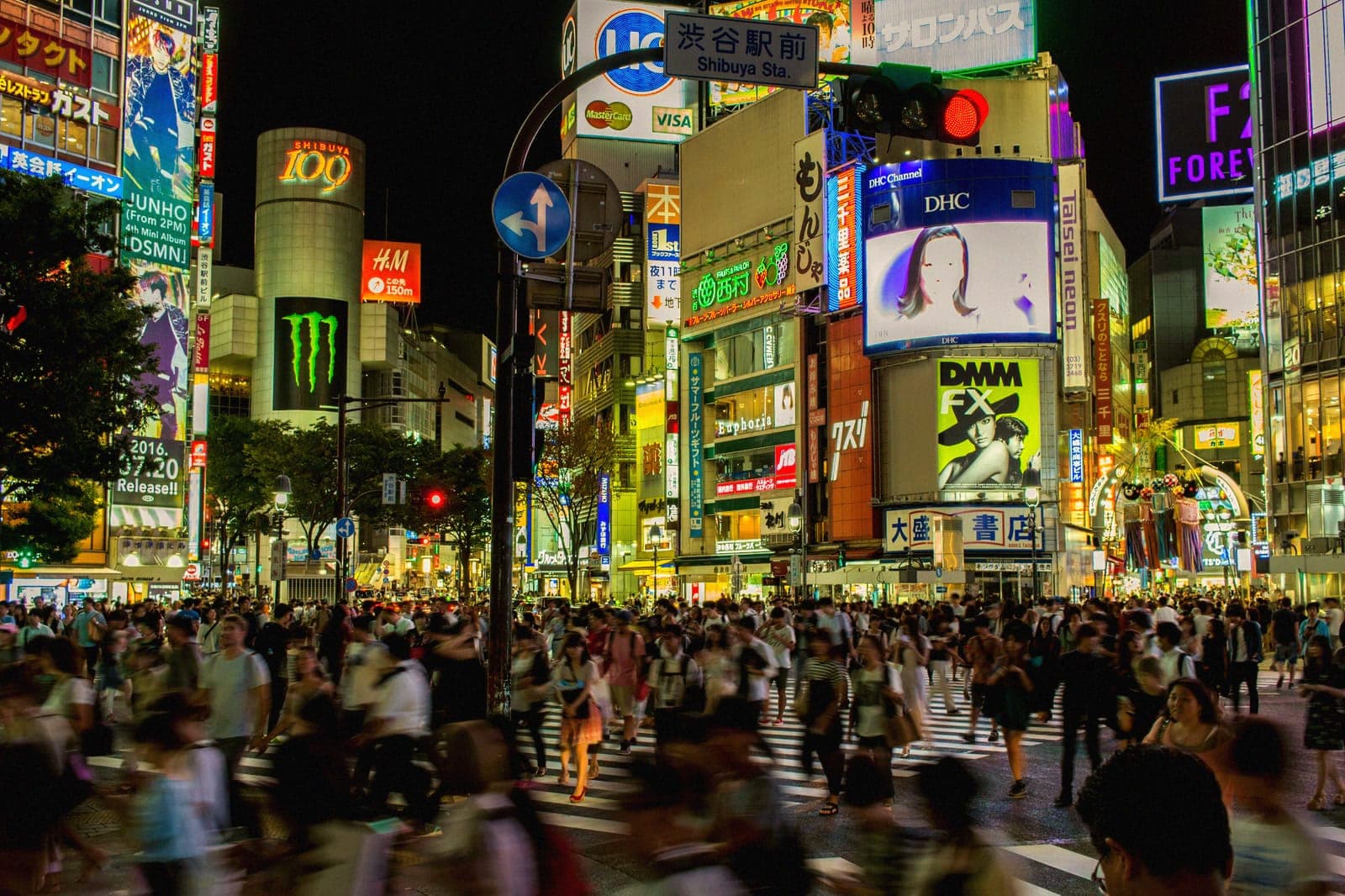
Until now, when a song played in a Japanese cafe, shop, gym or hotel lobby, only the songwriters and publishers got paid. The people who actually performed and recorded it, the musicians and the labels, got nothing. The revised Copyright Act, passed by the House of Councillors on 17 June 2026, creates a record performance and communication right that finally pays performers and record companies for that public use. A body designated by the Agency for Cultural Affairs will collect and distribute the fees.
Why did Japan hold out so long, and why now?
This right has existed in 142 countries since the 1961 Rome Convention. Japan, despite being the world's second-largest recorded-music market, was one of the last major economies without it, alongside the United States. With Japan now in, the US is the conspicuous holdout. The reform takes effect within three years of promulgation, giving collecting bodies and venues time to negotiate fee levels before the meter starts running.
What does it mean beyond Japan?
The overseas clause is the quiet bombshell. Japanese recordings played abroad, in shops, bars and clubs in countries that already pay this royalty, can now generate income that flows back to Japanese performers and labels. For a catalogue as deep and globally collected as Japanese electronic and city-pop, that is a real new revenue line. It also sharpens a point made for years: the US is leaving money on the table for its own artists by refusing the same right.