What did Glasgow just announce?
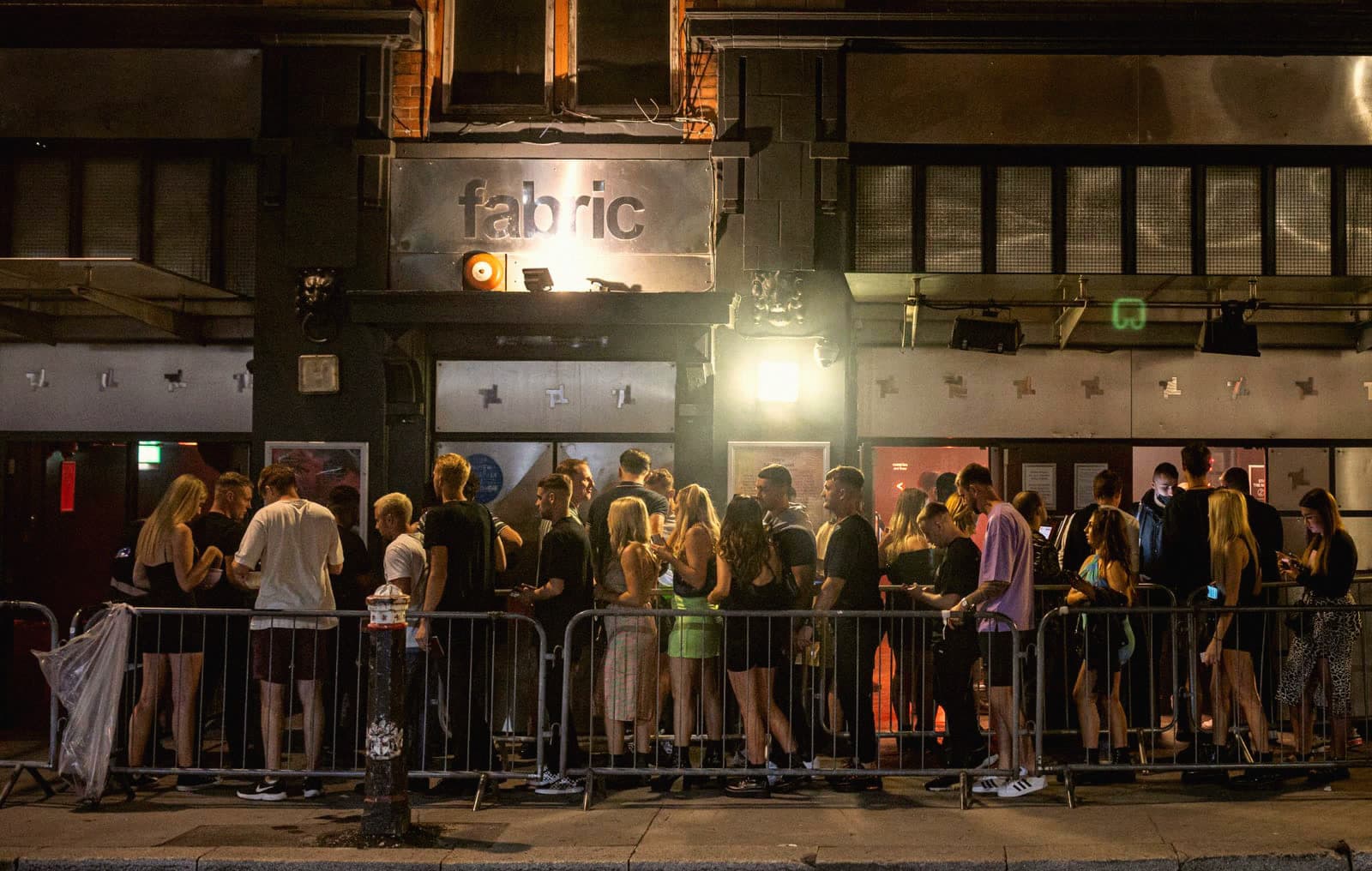
Glasgow City Council has launched a new Night Time Economy Commission, formally unveiled on 13 July 2026, and handed the chair to Mike Grieve, long-time manager of Sub Club, the Jamaica Street basement that has run house and techno nights since 1987. The commission pairs council officials, Police Scotland, licensing standards officers and hospitality operators around one table, with a remit to draft a strategy for the city's pubs, clubs and late-night venues rather than leave the sector's survival to individual licensing hearings. Grieve already chairs the Scottish arm of the Night Time Industries Association (NTIA), the trade body that has spent years lobbying Westminster and Holyrood over business rates, licensing costs and policing charges that fall on venues.
Why put a club owner in charge?
Councils usually hand these briefs to a planning officer or a culture-portfolio politician; Glasgow handed it to someone who has spent four decades keeping a single room open. That choice is the story: it is an admission that the people who understand why clubs close (energy bills, insurance, licensing fees, staffing costs, the loss of a single anchor tenant taking a whole street's footfall with it) are the operators themselves, not council committees. Sub Club's own survival is the case study. The venue nearly closed for good during the pandemic and has been threatened by noise complaints from nearby flats more than once; Grieve has fought both battles publicly, which is precisely the experience the council now wants inside its policy process instead of contesting it from outside.
Does this actually change anything?
The commission's early test is whether a shared table produces a real strategy document with funding attached, or another glossy vision statement.
The UK context makes the stakes concrete: NTIA and CGA data cited by trade press put the number of nightclubs operating in Britain at under 800, roughly half the total open in 2020, a collapse driven by energy costs, business rates and the cost-of-living squeeze on going-out spending. Glasgow's approach mirrors a model other cities have already tried under different names: Amsterdam created the original "night mayor" post in 2012, and London's Night Czar role followed in 2016. Glasgow isn't creating a night mayor with executive power, it's building a standing commission chaired by an operator, a narrower but potentially more durable structure if it survives the next change of council administration.