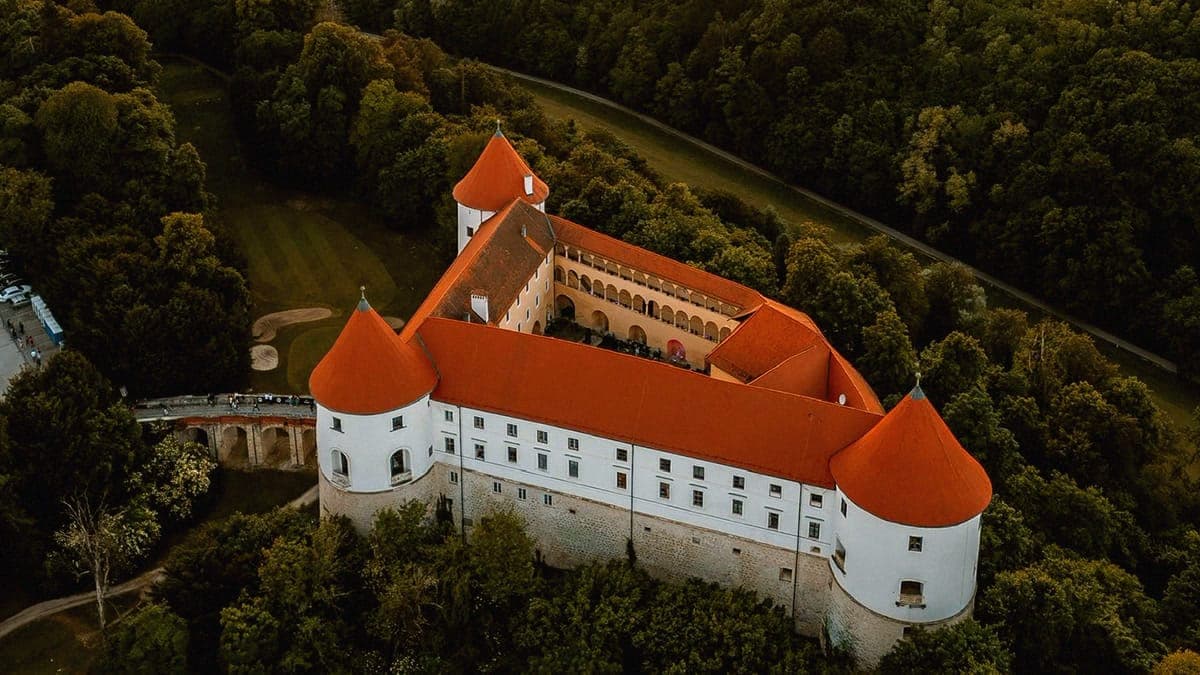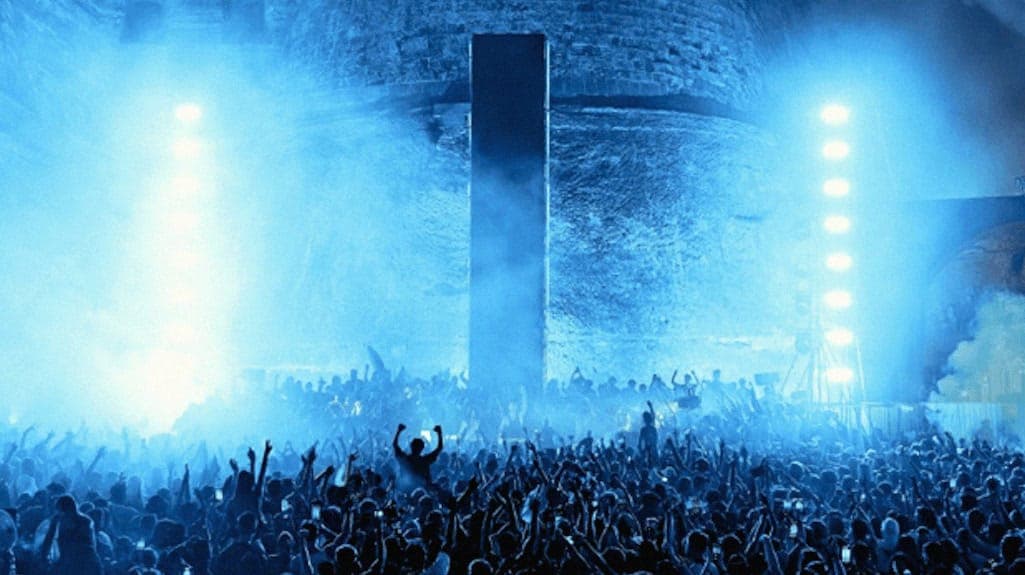
Ten years ago, Glitch Festival was a single stage tucked into Gianpula Village, a farm-turned-events site outside Rabat. This August it closes out its tenth edition sold out, with more than 95 acts across four days and a crowd organisers say is arriving from over 80 countries.
What does the anniversary lineup actually look like?
The headline slot goes to a back-to-back between Ben Klock and Rødhåd, two names whose shared history on Berlin's techno circuit goes back well before either played Malta. Ben Klock's presence is itself a marker: this is his fifth appearance at Glitch, more than any other artist in the festival's ten-year run, a streak that started with the first edition in 2016.
The rest of the bill leans hard into the back-to-back format that's become Glitch's signature: DJ Nobu paired with Wata Igarashi, Alarico with SHDW, DAX J with Lars Huismann, Elli Acula with ANNĒ. Amelie Lens plays a solo set, alongside VTSS, KI/KI and Quelza. Spray, presenting the Spriitzz project, and Stef Mendesidis are billed for live sets rather than DJ sets, a smaller but deliberate part of the programme.
Why did this edition sell out?
Ten years of consistent booking and a fixed home base did the work. Glitch never chased a bigger city or a flashier venue: it stayed at Gianpula, added a UNESCO-listed opening party at the Valletta Ditch and an afterhours at Liquid Club, and let the format (heavy on curated b2b pairings, techno and house leaning hard toward the harder end) build a reputation by word of mouth. For 2026, the festival adds a new stage, the Vector Stage, to its existing Fortress Stage setup, its first structural expansion in several editions.
Ben Klock has now played more Glitch editions than any other artist on the bill, five since 2016.
A sold-out status this far in advance, running August 12 to 15, tells a specific story: Malta's summer festival market is small compared to Ibiza or Croatia, but Glitch has built a loyal, travelling audience rather than a local one.
Why it matters
A ten-year run and a sellout is a rare combination for a mid-sized techno festival outside the usual European circuit; it signals Glitch has built durable demand independent of any single headliner, which matters for how promoters think about booking outside the Ibiza-Croatia-Berlin axis.
What we think
Glitch earned this one the slow way, by staying in the same field for a decade and letting the lineup do the talking instead of chasing scale. The Klock/Rødhåd pairing as the anniversary headline is the right call: it rewards the festival's own history rather than importing a name with no ties to it.