What exactly is Drops, and how does it work?
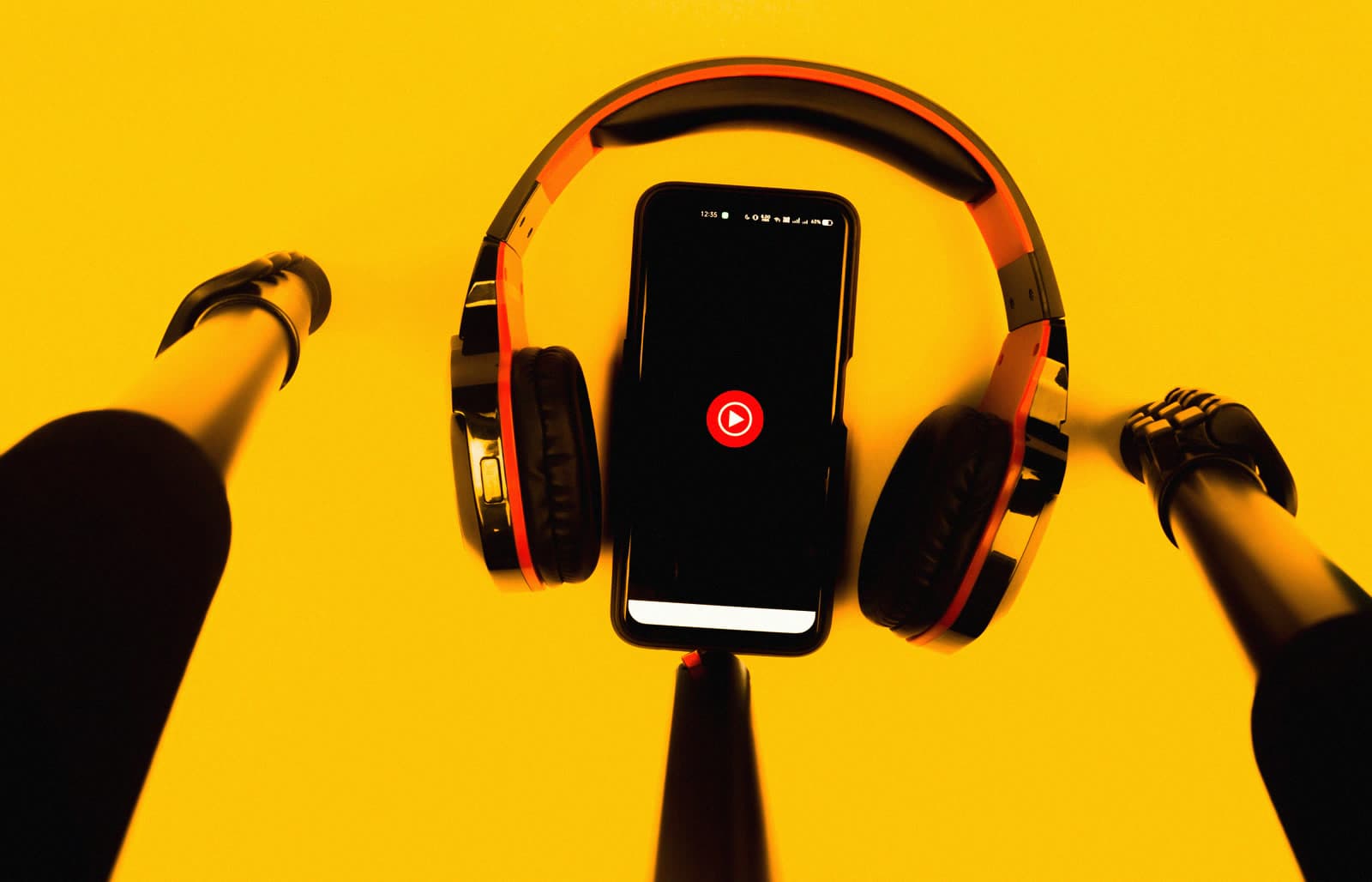
Drops opened to US invites on November 9, built by HARMAN, the Samsung-owned audio and automotive-tech group behind JBL, AKG and Mark Levinson. Instead of a For You feed ranked by an algorithm, users scroll 10 to 30 second clips called Drops, shared by friends or tastemakers they follow, each one paired with lyrics, official album art, licensed artist photography and a short caption. Save one to a personal Droplist, like it, comment, repost it, or message a friend directly. Tabs run For You, New, Showcase and Following, plus trending hashtags.
The app connects to Apple Music, Qobuz and TIDAL so a clip can roll straight into the full track, and HARMAN is explicit that Drops is additive, not a replacement subscription: plays on Drops count toward streaming totals on whichever of those three services a listener already has, and rights holders get paid and reported plays. There is no generative AI anywhere in the pipeline, HARMAN says, just official assets. The idea traces back to HARMAN's 2023 acquisition of Roon, the high-end multi-room audio platform built on the same instinct, that the best recommendation is a person you trust, not a model.
"The way we discover music is evolving, but the most meaningful recommendations have always come from people we trust." Clare Hunter, general manager of Drops
Does "recommendation, not algorithm" actually change who gets heard?
That is the real question for anyone who has watched a decade of Spotify and TikTok flatten dance music into a handful of festival-ready hits. Drops launches with Universal Music Group and Warner Music Group at the table alongside Beggars Group (Rough Trade, 4AD, Matador), and, crucially, the independent-artist distributors Symphonic Distribution, EMPIRE and UnitedMasters, the pipes a huge share of underground and global-south house, techno and afro house actually runs through to reach Apple Music or TIDAL in the first place.
On paper, a feed built from friends and tastemakers rather than play-count signals should favor word of mouth over catalog weight, the exact mechanism that could let a Lagos afro-house producer or a Berlin deep-house label compete with a major's marketing budget. In practice, who gets followed and who gets seeded to tastemakers first is still a function of who has promo staff, press contacts and an existing audience, resources a major's roster has by default and most independent dance labels don't. A platform does not need an algorithm to reproduce a gatekeeper. It just needs an uneven starting line.
Why does this matter for underground and global-south dance labels?
Independent and underground dance music has spent a decade losing visibility to algorithmic playlists tuned for the loudest, most streamed genres. Any new discovery layer is worth watching for the opposite reason: it is a chance to route around that, but only if the social graph driving it reaches past major-label influencer networks and tastemaker lists that already skew toward pop and mainstream dance. Drops is too new, invite-only and US-only for anyone to know yet which way it tilts. The partner list, majors and indie distributors in the same room, is the first real signal, and it is a genuinely mixed one.