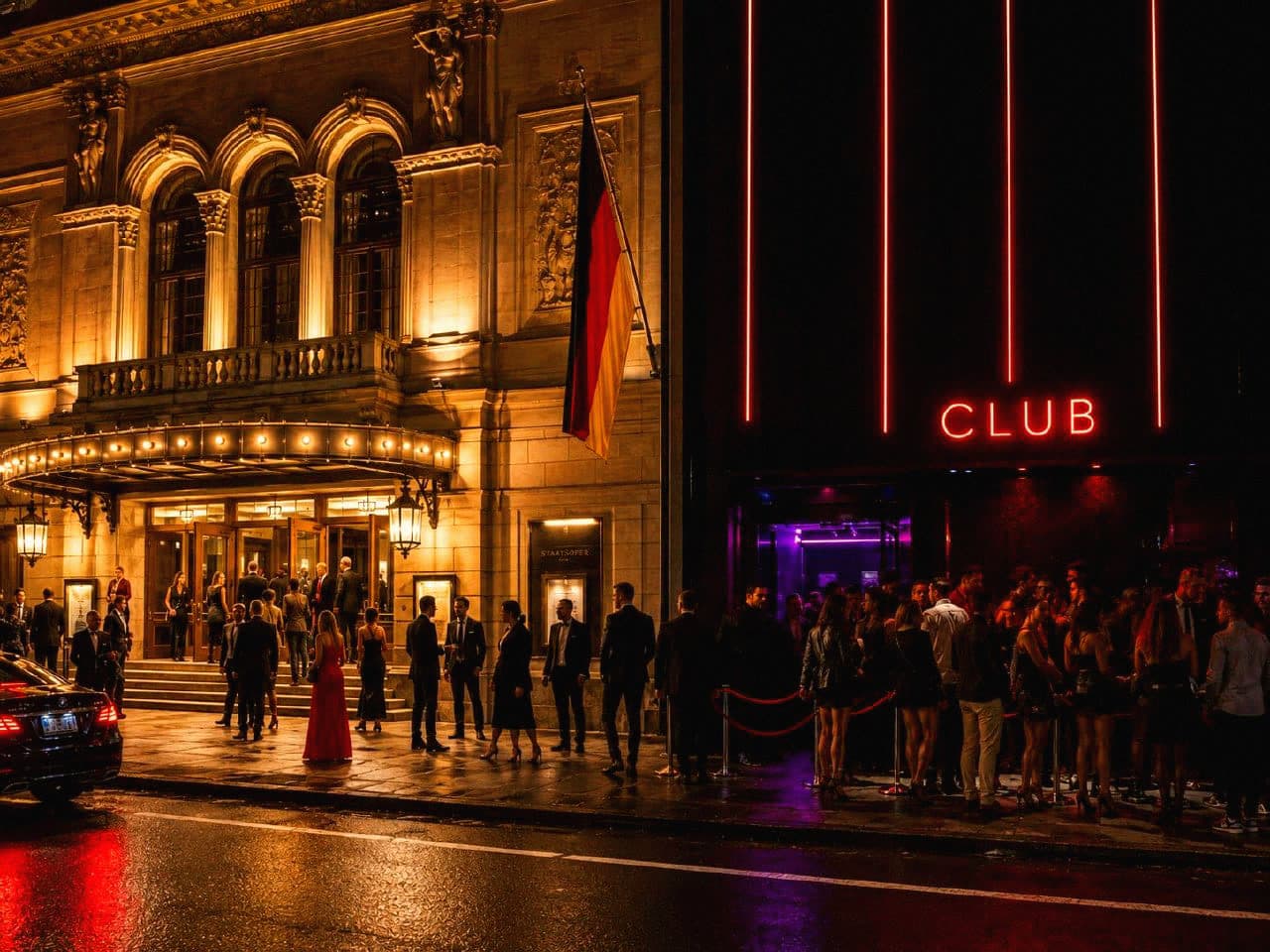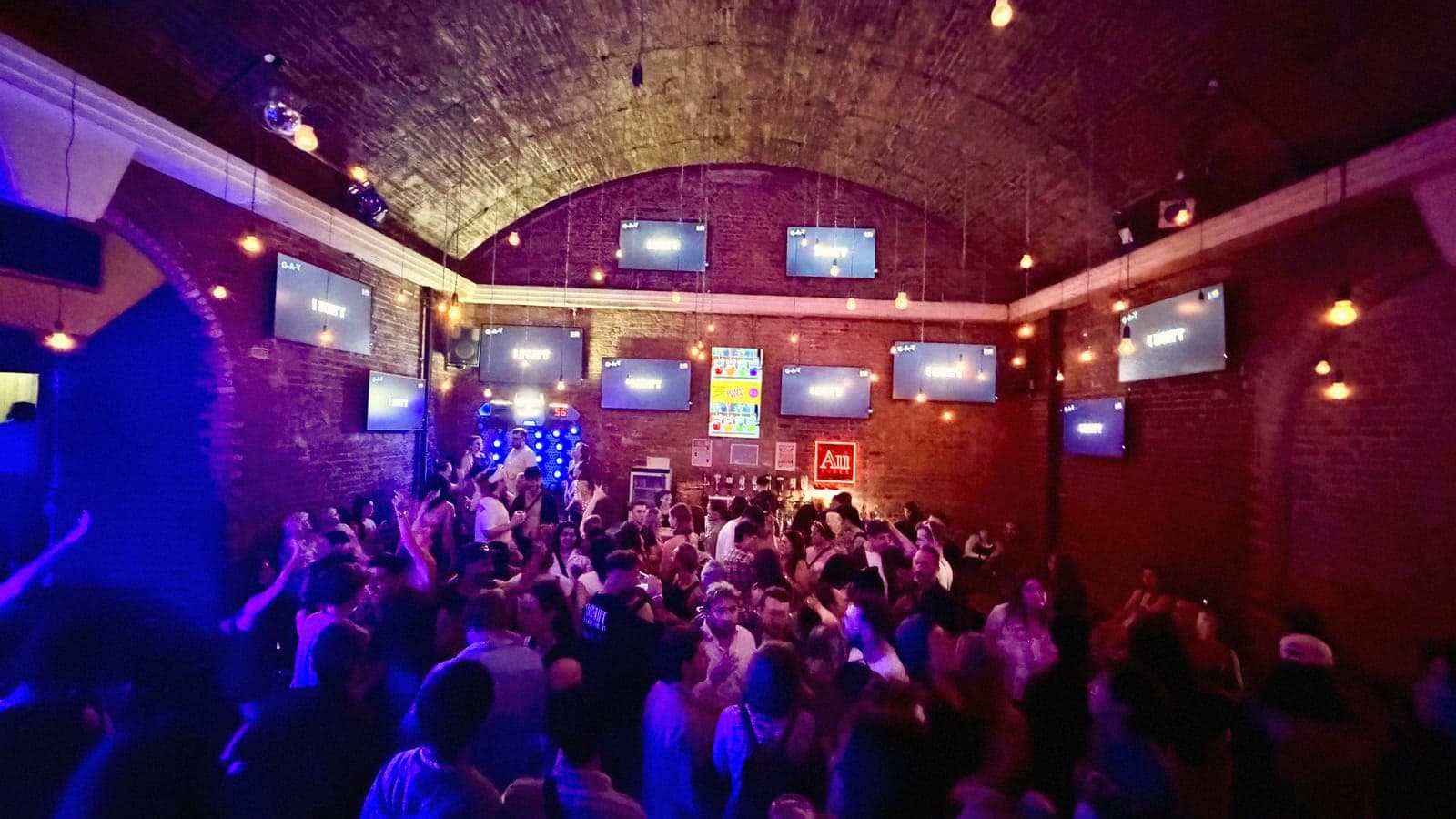
Heaven has survived under the Charing Cross railway arches since December 1979, long enough to watch most of its peers in London's LGBTQ+ nightlife disappear. It just had to go back to the council and ask for legal protection a second time.
Westminster City Council has granted Heaven Asset of Community Value (ACV) status again, this time running until 2031. The nomination came from the Night Time Industries Association, whose chief executive Michael Kill said: "For generations, Heaven has provided a place where LGBTQ+ people can come together, celebrate their identities and build lasting connections." He added that when venues like it are lost, "communities lose places of belonging, visibility and shared history."
What does Asset of Community Value status actually do?
ACV listing does not freeze a sale or block redevelopment outright. What it guarantees is a pause: if the freehold ever goes on the market, local community groups get up to six months to put together a bid before the sale can go through. It is a brake, not a lock, but in property-pressured central London that window has mattered to plenty of pubs and community spaces fighting to stay put.
Heaven's first ACV listing dates back to 2020. It lapsed in January 2026, which meant the club spent the best part of a year with no such buffer in place, sitting on prime land a few hundred metres from Trafalgar Square, before Westminster renewed it. That gap is the real story here: a venue this well known, with this much cultural weight, still needed someone to go back and re-file the paperwork to keep the protection alive.
Why does one club's paperwork matter to the whole scene?
Because Heaven's situation is the condensed version of what has happened to London's queer nightlife for two decades. Greater London Authority data shows the city's LGBTQ+ venue count fell 62 percent between 2006 and 2017, from 124 down to 47, before roughly stabilising in the years after. Rising rents, business rates and redevelopment pressure did most of that damage, not a lack of demand for the spaces.
"LGBTQ+ venues carry a unique social and cultural value. When these spaces are lost, communities lose places of belonging, visibility and shared history.", Michael Kill, NTIA
Against that backdrop, Jeremy Joseph's parallel plan to convert Heaven into a charity-run venue reads less like a branding move and more like a survival strategy. A charitable structure can open up funding, rates relief and protections that a straightforward commercial lease cannot, and it gives a 46-year-old institution a legal form built to outlast any one owner's decision to sell up.
What happens next?
The ACV status buys Heaven time and leverage, not permanence. Nothing stops Jeremy Joseph from selling the building once the charity transition is sorted, and nothing stops a future owner from testing that six-month window against a determined bidder. But for a club that has already outlived Thatcher-era raids, the AIDS crisis, the 2008 property crash and a pandemic lockdown, a renewed legal shield is a real, if modest, win worth logging.