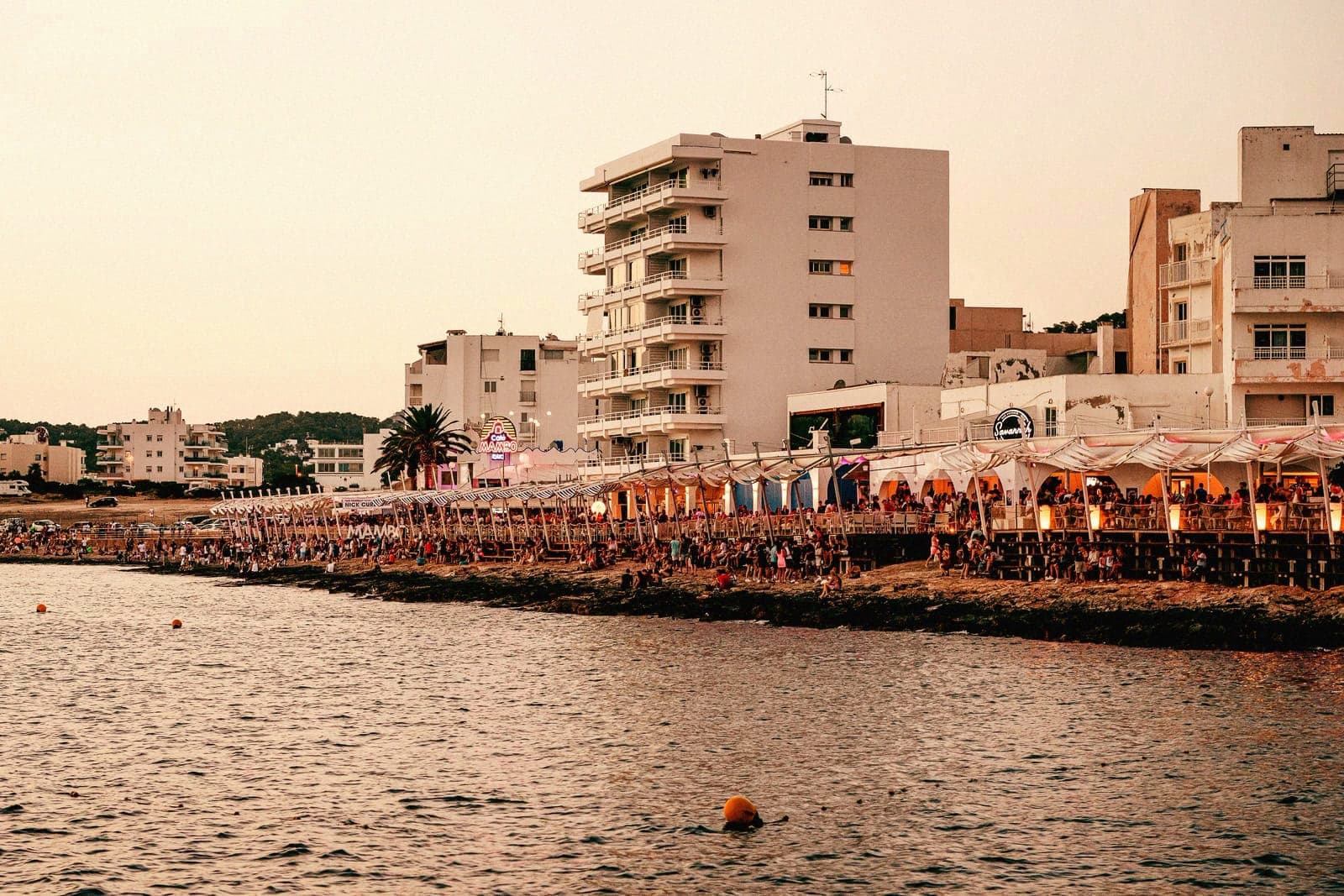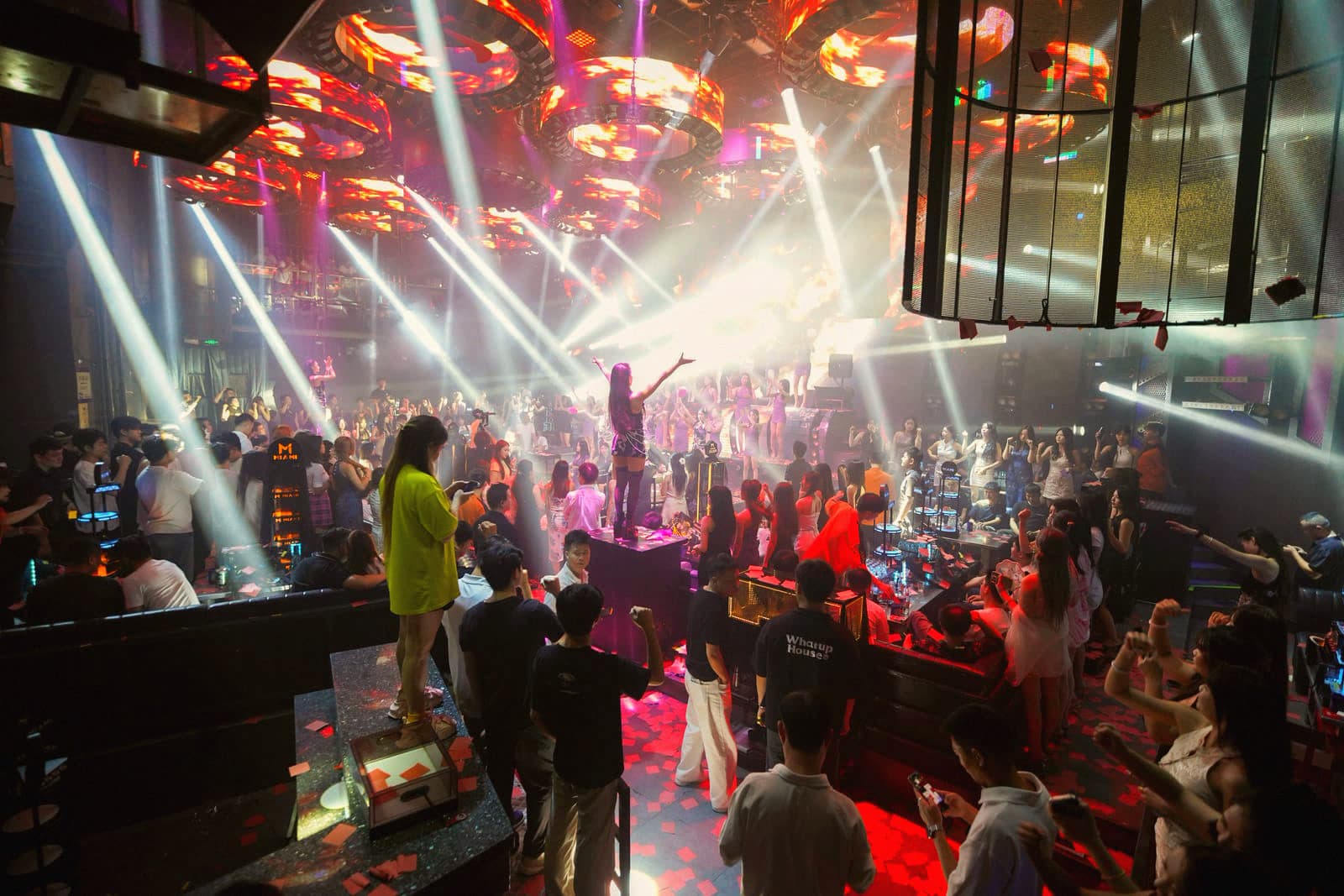
Ibiza's night economy runs on light: strobes over a packed dancefloor, a villa pool lit up for a sunset party, the glow of a beach-club sign pulling in the next round of guests. On October 31, the Consell d'Eivissa will vote to put a clock on all of it.
The "Reglamento de proteccion del medio nocturno" has already cleared preliminary steps and goes to a definitive plenary vote at the end of the month. It is not aimed at clubs specifically. It is aimed at light itself, anywhere on the island, and clubs are simply one of many things that produce it.
What does the rule actually restrict?
The regulation carves Ibiza, its coastline and its surrounding islets into four protection zones. E1 covers protected natural spaces and astronomically sensitive sites such as the area around the Cala d'Hort observatory and the Ses Salines natural park, where lighting limits are tightest. E2 covers rural land outside those maximum-protection zones. E3 covers urban centres and built-up residential areas. E4, the most permissive tier, covers commercial, leisure and high-mobility urban zones, the category that includes most of the island's clubbing strip.
On top of the zoning, every zone gets a curfew: restricted-lighting hours start at 22:00 in winter and 00:00 in summer. The scope goes well beyond club signage. It covers illuminated villa facades, advertising screens, and underwater pool lighting, the kind that lights up a rental villa's infinity pool for an Instagram-ready night. A club's exterior lighting, a restaurant terrace's string lights and a private villa's pool glow all fall under the same clock.
"Este reglamento es de obligado cumplimiento para las instalaciones publicas y tambien privadas."
That is David Galadi, a light-pollution researcher at the University of Cordoba who has backed the rule publicly: this is mandatory for public and private lighting alike, no carve-out for a villa owner or a club operator just because the lights are theirs.
Who actually pays for this, and how much?
Here is the part that should worry anyone running a venue on the island more than the curfew itself. New construction gets a 6-month adaptation window once the rule is published in the Balearic official gazette. Existing installations, meaning every club, hotel, restaurant and villa already wired the old way, get up to 8 years to come into compliance.
That sounds generous until you ask what compliance actually costs, because the Consell cannot tell you. Ignacio Andres Rossello, the councillor for environmental management, has acknowledged publicly that the Consell has not produced an economic estimate of what retrofitting lighting across the island's night-time economy will cost, and says it currently cannot. There is also no published numeric target for how much light pollution the regulation is meant to cut. A rule with real teeth and an 8-year runway, with no price tag and no measurable goal attached to it, is exactly the kind of thing that turns into a fight once clubs and villa-rental companies start actually pricing out their own compliance.
Why it matters
Ibiza's clubbing economy has absorbed licensing freezes and party-permit caps for years. This is a different kind of pressure: not fewer parties, but a legal clock on how a venue, a villa or a beach club is allowed to look and glow at night, with the island's biggest earners (clubs, villa rentals, hospitality) all caught under the same net and no clarity yet on what it will cost them to comply.
What we think
The stated goal, protecting dark skies and marine life around Ses Salines and the Cala d'Hort observatory, is a legitimate one and nobody serious opposes dimming floodlights over a nature reserve. But passing a rule this broad, covering villa pools and beach-club signage alongside genuine environmental hotspots, without publishing a single cost estimate is how good environmental policy turns into years of litigation and ill will from the exact businesses the Consell needs onside. If Ibiza wants this to stick past the first legal challenge from a hotel or villa-rental association, it needs a number, not just a curfew.