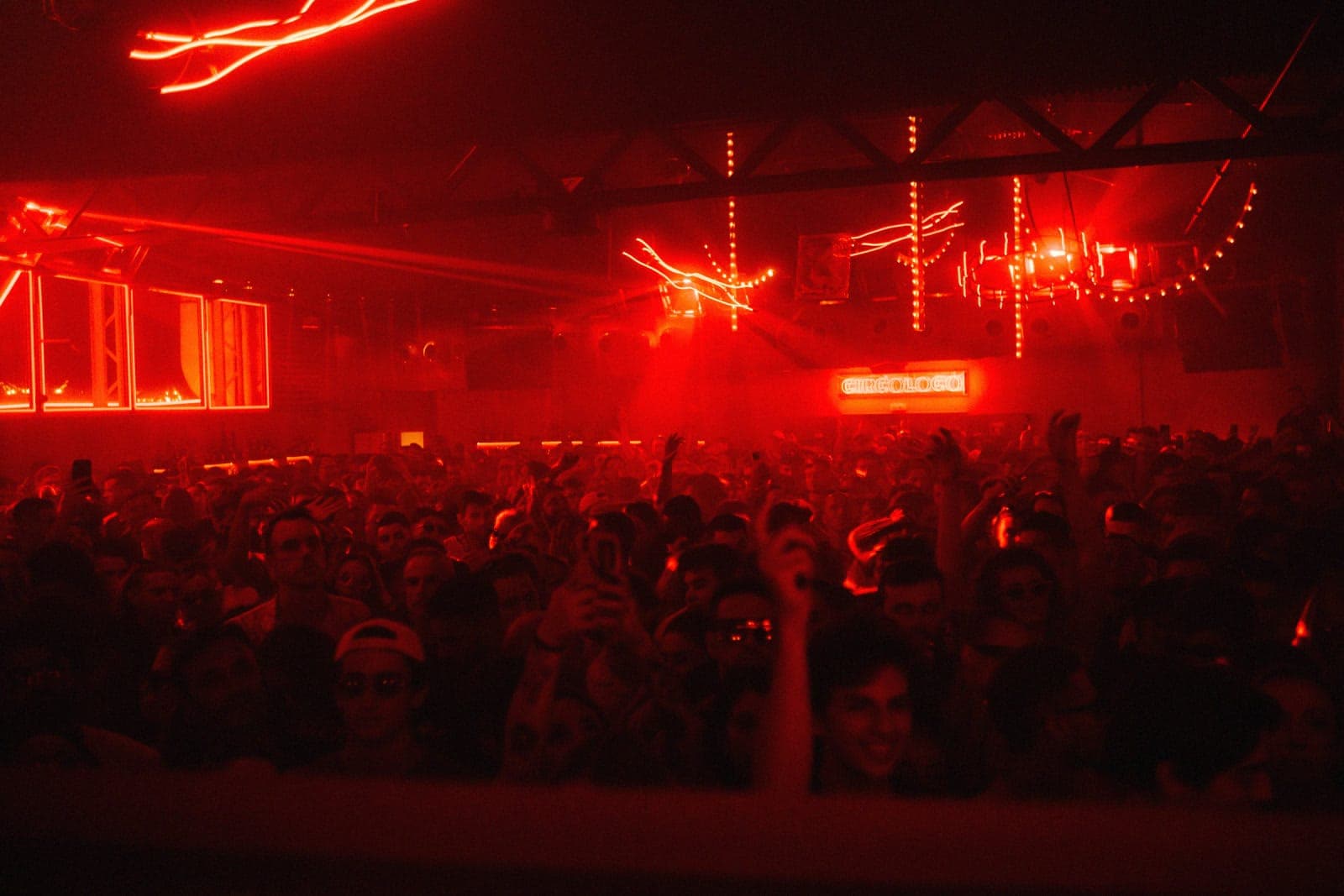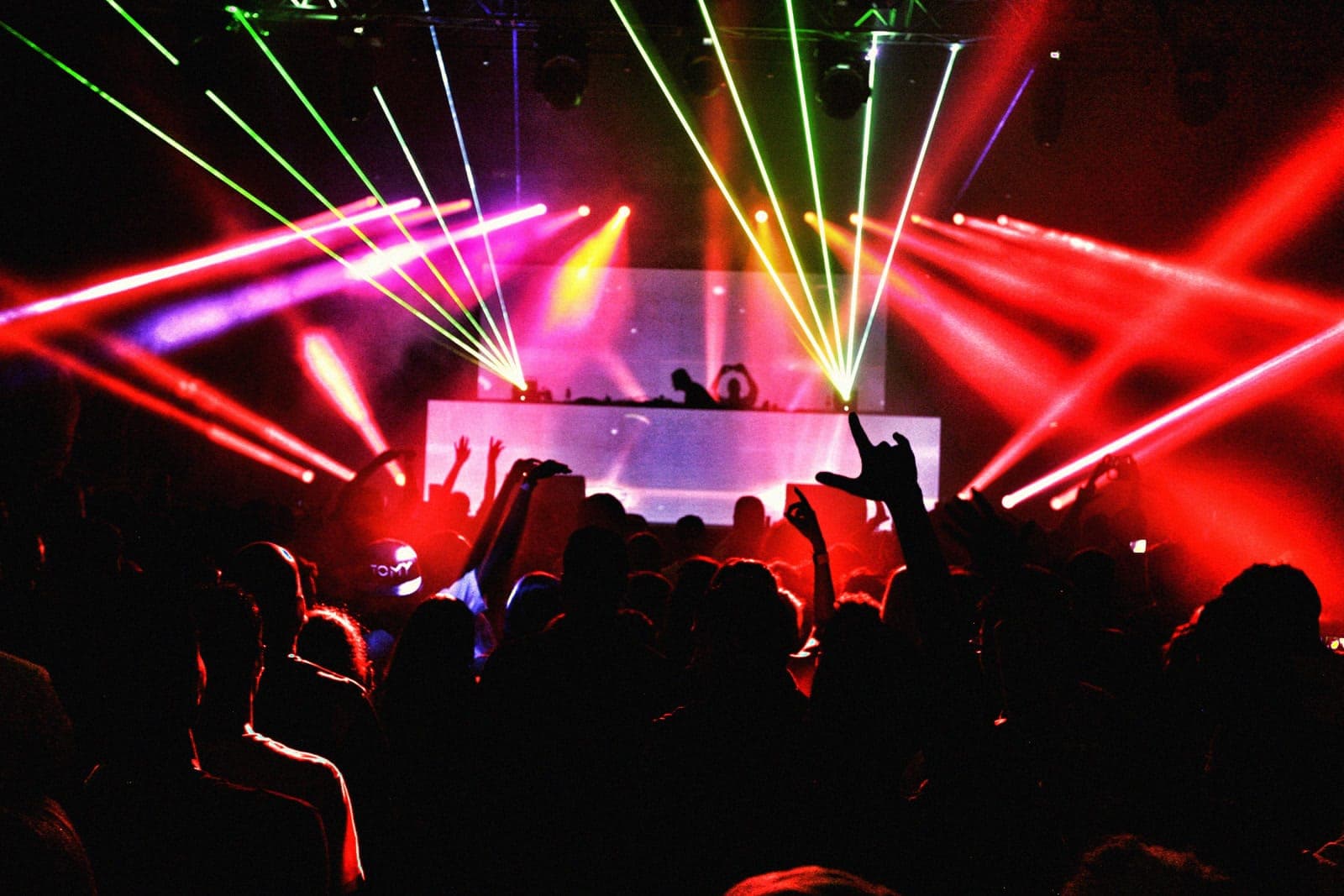
Every clubber on the island has heard some version of the same rumor: a mystery powder going around, nobody quite sure what's actually in it, somebody's friend ending up in the medical tent. For years that fear stayed abstract. It now has a street.
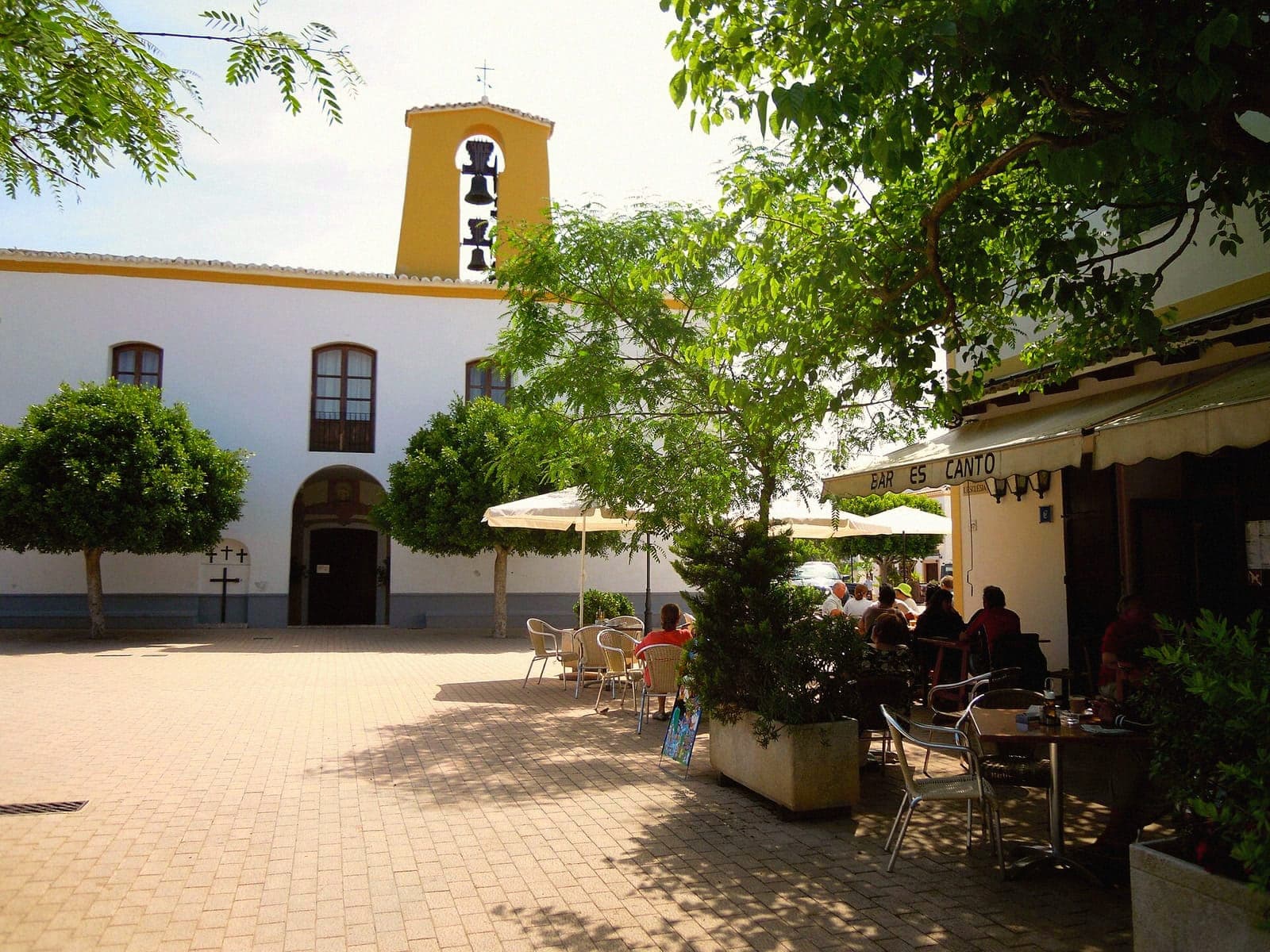
Spain's Policía Nacional, through its Unidad de Drogas y Crimen Organizado, has dismantled an international network that police say ran Ibiza's synthetic-drug supply for at least three consecutive summer seasons. The clandestine lab sat behind the walls of an isolated property in Sant Miquel, a small inland village far from the clubs it was feeding. Police were explicit on this point: all of the MDMA, 2C-B and GHB moving through the island's party scene was synthesized at that one address.
What did police actually find?
The investigation, opened in summer 2024, closed in early November 2026 with eight arrests and six suspects remanded in custody. Searches hit addresses across Sant Joan, Santa Eulària, Sant Josep and Sant Antoni, the municipalities that between them host most of Ibiza's biggest rooms.
The seizure runs to roughly 165 kilos of narcotics: cocaine, MDMA, LSD, 2C-B, crystal meth, ketamine, ecstasy and GHB, found in solid form, in 20-litre liquid containers and in crystallized batches ready to be cut and pressed. Officers also recovered 32,280 individual dispensers, which investigators say represented the packaging for an estimated 500,000 doses. Alongside the drugs: more than 150,000 euros in cash, eight vehicles, some fitted with hidden “caleta” compartments built for smuggling, 24 mobile phones, four luxury watches, three encrypted USB drives, two computers and two tablets.
How long had this been running under the dancefloor?
Three summers is the headline number, and it is the one that should sting. That is not a one-off batch that slipped through; it is a supply chain that operated across multiple seasons, multiple towns and, police say, multiple countries, feeding the same rooms where hundreds of thousands of people danced without any idea where the night's substances actually came from or how they were made.
"All the synthesis of MDMA, 2C-B and GHB took place at this property," police said of the Sant Miquel lab.
Ibiza's club economy runs on a kind of willful not-knowing: the island sells hedonism as a packaged experience, and the actual manufacturing of what fuels a good chunk of that experience happens far from view, in villages tourists never visit, run by people the dancefloor never sees.
Does this change anything for clubbers and promoters?
It should sharpen a debate that's been simmering on the island for years. Spain already tolerates some of Europe's more progressive harm-reduction infrastructure, drug-checking services have operated at Spanish festivals and in parts of Catalonia since the late 1990s, but coverage inside Ibiza's actual club rooms stays thin and inconsistent, and enforcement still leans almost entirely on busting supply rather than testing what's already on the floor.
A network this organized, feeding this much volume for this many summers, is not a reason to panic. It is a reason to ask why a 500,000-dose pipeline can run for three years before anyone catches it, and why the clubs profiting from the scene it fed still leave drug safety almost entirely to chance.