How much money are we actually talking about?
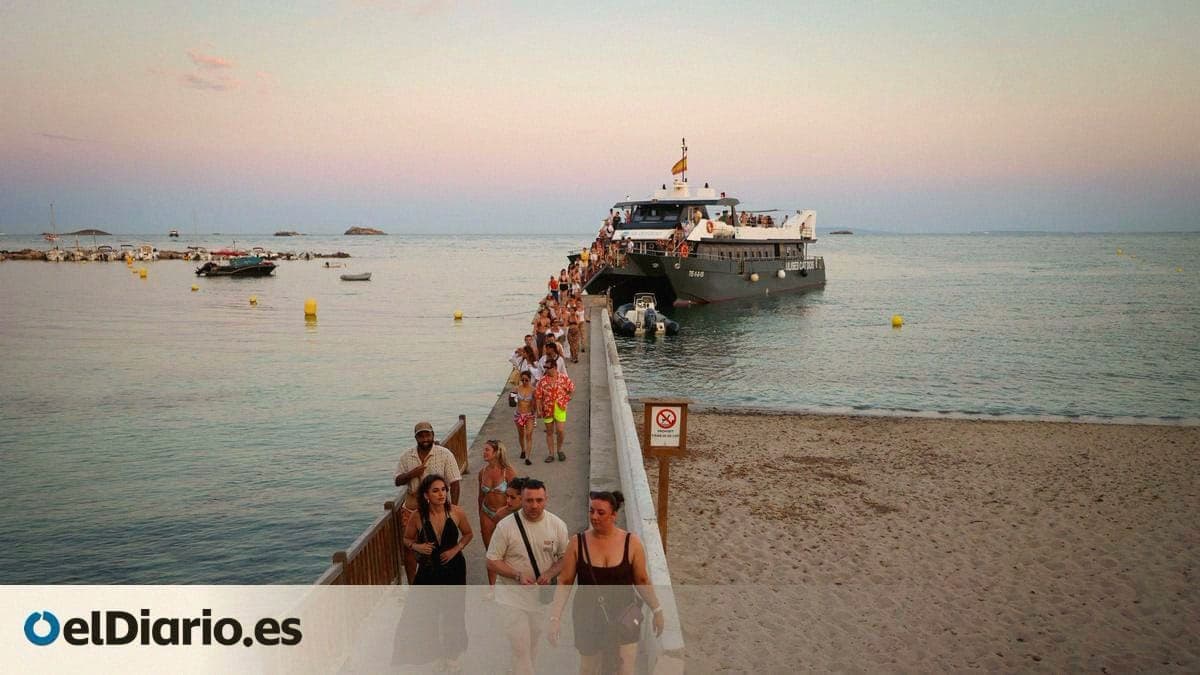
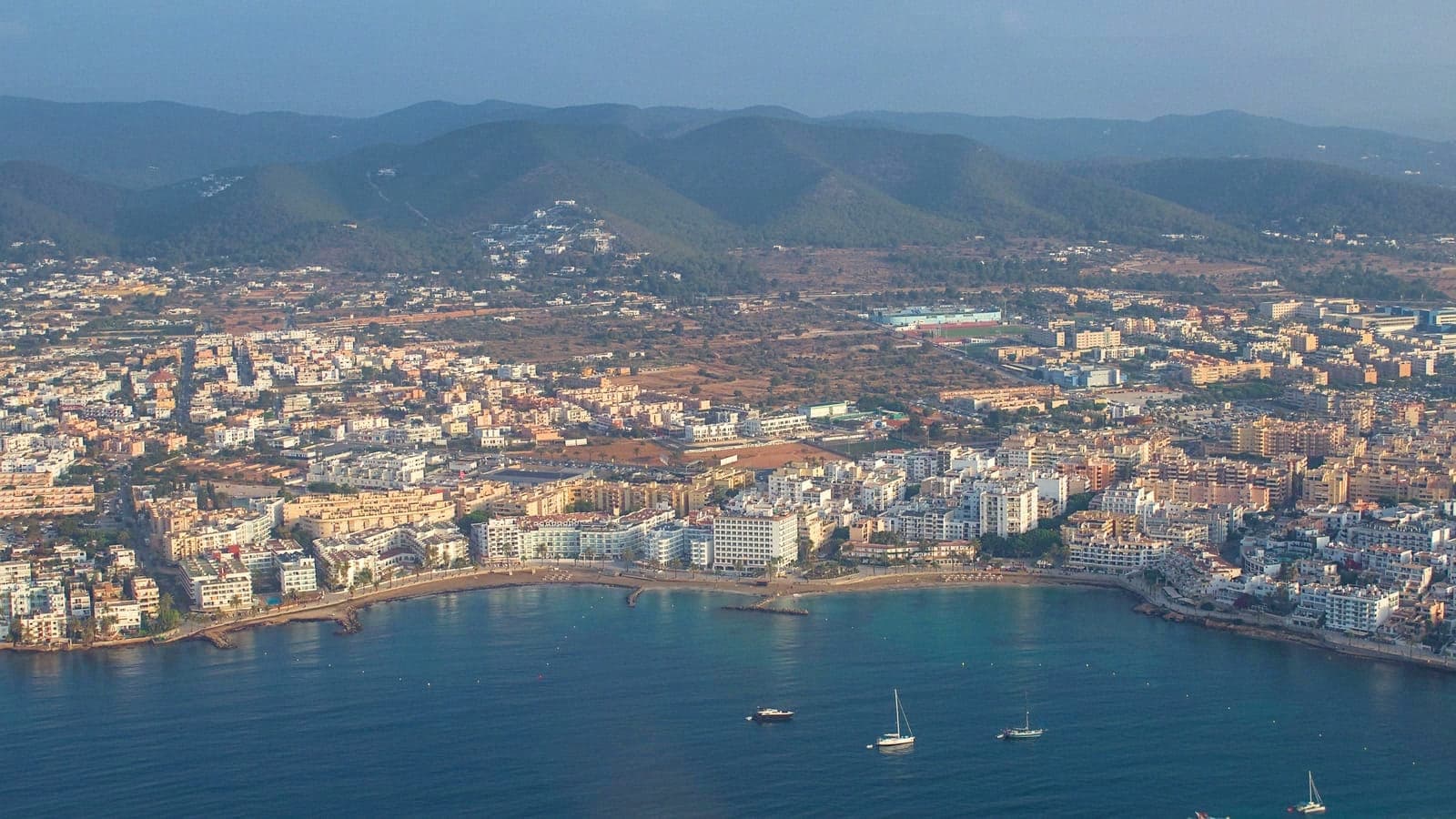
Ibiza's nightclubs pulled in roughly 160 million euros from ticket sales alone this year, about 10 million more than the previous season despite running fewer events overall, according to hospitality trade data reported by Noudiari.es. The number lands against a strange backdrop: tourist arrivals to the island fell 4.75% in June 2026 compared with the year before, yet total tourist spending on Ibiza rose 5.94% over the same period. Fewer people are coming to Ibiza, and they are spending more, but trade leaders say that extra money is landing almost entirely in one place.
Why do shopkeepers say they never see it?
Carol runs Zanzíbar, a bar and restaurant in Platja d'en Bossa, a few hundred metres from some of the island's biggest clubs. She told Periódico de Ibiza the season had been "fatal" and put it bluntly: nightclubs are "carísimas y se lo llevan todo" (extremely expensive, and they take everything).
"Esta gente va del yate a la sala VIP de la discoteca.", Carol, Zanzíbar, Platja d'en Bossa
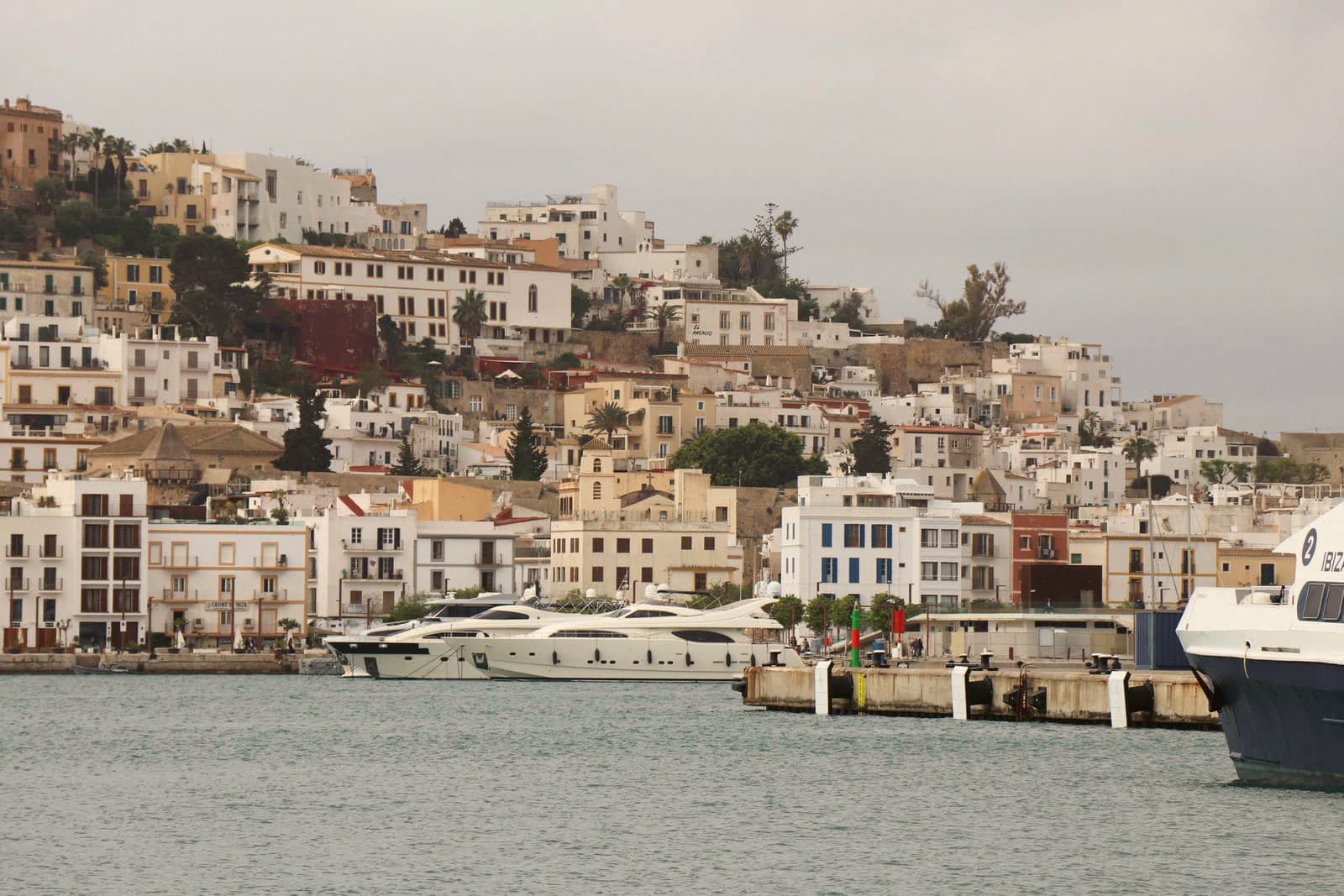
Her point: Ibiza's highest-spending visitors now move directly from a private yacht to a club's VIP table, where a bottle-service package can run into thousands of euros and cover the entire night in one transaction. They never stop at a bar for a drink, a boutique for a t-shirt, or a restaurant for dinner on the way. Over in Ibiza Town's La Marina district, the old harbour quarter lined with souvenir shops, several owners describe a similar gap, just filled by a different crowd: cruise-ship passengers, not clubbers. Some say day-trippers off the cruise ships now account for more than half their revenue, because at least those visitors walk the streets between the port and Dalt Vila.
Is this new, or is it just how the island works now?
Nobody quoted treats it as a one-season blip. Pepe Roselló, who heads the Asociación Noches de Ibiza trade group, called the season "nefasta" (disastrous) for small and medium operators and argued larger hotels and clubs are cornering a market that used to be shared more evenly. Igor Marijuan, the DJ and Akasha founder, framed it as a regulation problem more than a headcount problem: Ibiza doesn't need more clubs, he says, it needs rules flexible enough to treat a 5,000-capacity superclub differently from a small venue. José Luis Benítez, who leads the nightlife employers' association Ocio de Ibiza, takes a related but sharper line: he thinks the current club supply is already enough, and freezing new licences would only revalue the venues already open, tightening the club economy's grip rather than loosening it.