Ibiza's villa-party circuit has always run on discretion: a WhatsApp invite, a gate code, a DJ booked quietly enough that nobody outside the guest list knows it's happening. Sant Josep's Local Police just showed exactly how that discretion breaks down against a drone.
How did the drone actually find the party?
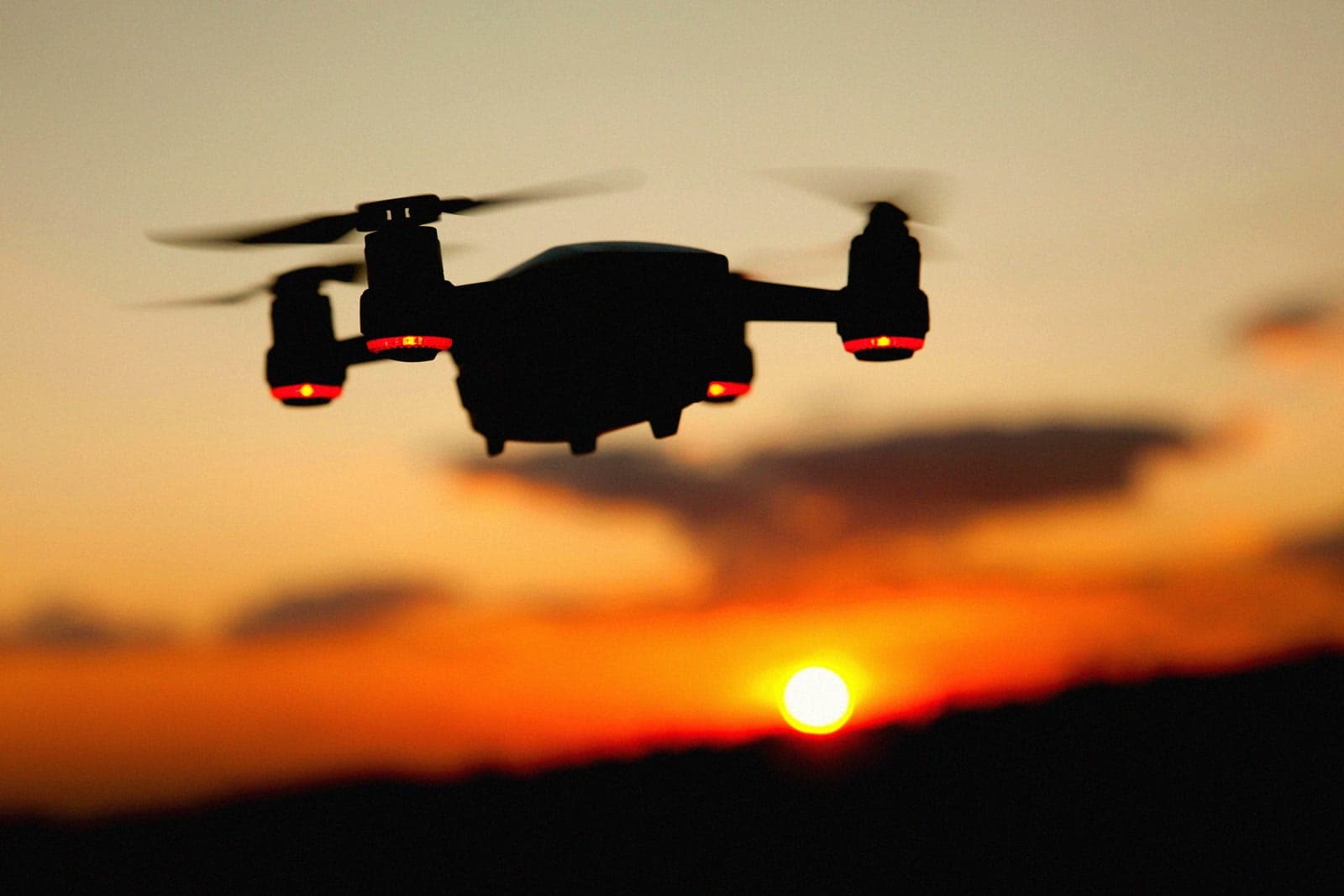
Per Periódico de Ibiza, officers had already infiltrated the WhatsApp broadcast groups used to advertise these gatherings, the kind that share a location pin, a lineup and a line along the lines of "you won't get an invite twice." Once a party was flagged, police flew a drone, in this case reportedly carrying an infrared camera, over the likely meeting points to locate where guests were staging before being driven to the actual villa. In the video police released, one driver clocks the drone overhead and tries to pull away from the meeting point. He doesn't get far: a patrol car is already arriving, and he's tested positive for drugs on the spot before the operation moves on to shut down the party itself.
Why is this different from a noise complaint?
Because it's proactive, not reactive. A noise complaint gets a patrol car sent to an address after neighbors call. This is officers embedded in the same invite channels the party promoters use, running aerial surveillance on private land before a single decibel has bothered anyone. Sant Josep's police put it plainly in their own statement: illegal parties "pueden tener consecuencias que van mucho más allá del ruido", consequences that go far beyond noise, citing public safety and physical risk. It's also not an isolated stunt. The same municipality broke up a roughly 300-person party at the Casa Paola villa in Es Cubells in July, officers tracking staged meeting points near a school car park before finding the villa itself. Sant Antoni's police and the Guardia Civil did something similar in June, intervening in a property in Buscastell after a gathering that reportedly pulled around a thousand people over two days.
"Divertirse, sí. Hacerlo fuera de las normas y a costa de los demás, no." (Having fun, yes. Doing it outside the rules and at everyone else's expense, no.), Sant Josep Local Police, per Periódico de Ibiza
What's the actual debate here?
Nobody in the villa-party economy is arguing traffic chaos, drink-driving or unlicensed sound rigs stacked in a basement are fine. The safety case is real, and the season's raid count backs it up. The question the island hasn't really had out loud is a different one: is flying an infrared drone over private property, to surveil a fully private, invite-only gathering, the same category of policing as showing up after a noise complaint, or a meaningfully bigger step, one that could just as easily be pointed at any private event police decide to infiltrate a chat for. Ibiza's underground scene has spent years operating in that villa-party gray zone precisely because it sits outside the licensed club system this site covers every week. A police force that now says it will keep doing this "as many times as necessary" has effectively made aerial surveillance of private parties a standing tool, not a one-off, and that's worth the scene actually discussing rather than just absorbing.
Why it matters
Why it matters: if drone and infrared surveillance of private, invite-only gatherings becomes routine policing in one Ibiza municipality, it's a method other municipalities and other jurisdictions with their own underground and villa-party circuits can adopt just as easily, reshaping how that entire alternative economy operates alongside the island's licensed clubs.
What we think
The safety complaints are legitimate: unlicensed venues, no crowd control, drivers testing positive for drugs leaving the scene. But there's a real difference between fining a villa for noise and flying an infrared drone over private land to build a case against a party nobody outside the guest list even knew was happening. Ibiza hasn't had that conversation yet, and it should before this becomes standard practice.