What actually happened at Anomalist?
In June 2026, police shut down Anomalist, an unlicensed rave staged on rural land between Buscastell and Sant Mateu, in the hills above Ibiza's main towns. Over 1,000 people packed three separate dance floors built with professional-grade sound, video mapping and a mobile carousel, on a bill naming Seth Troxler, WhoMadeWho and Dennis Cruz, names who also play the island's licensed super-clubs. It wasn't a one-off. Weeks earlier, a comparable mega-party at a villa near Sant Mateu listed 15 DJs on its promotional material, with ambulances on standby and shuttle buses running from pickup points in town. On July 1, a smaller gathering of roughly 200 people in Santa Gertrudis ended in 15 drug-possession citations and four failed breathalyzer tests.
Why is the club industry turning on its own DJs?
The pushback is coming from inside the business. Ocio de Ibiza, the trade association behind licensed venues including Ushuaïa, Hï Ibiza, UNVRS, DC10, Club Chinois and Lío, has committed its member clubs to refusing bookings to any DJ caught performing at an illegal event, a move its director José Luis Benítez called a turning point in the fight against clandestine raves. The Consell d'Eivissa wants to go further: councillor Mariano Juan is demanding anti-piracy clauses in every artist contract on the island, inside or outside the association, that would trigger a DJ's immediate expulsion from a booking and a permanent veto on future work.
Ibiza is a welcoming island, not for pirates.
That leaves a DJ who plays an off-the-books villa party gambling an entire legitimate season, not just risking one fine.
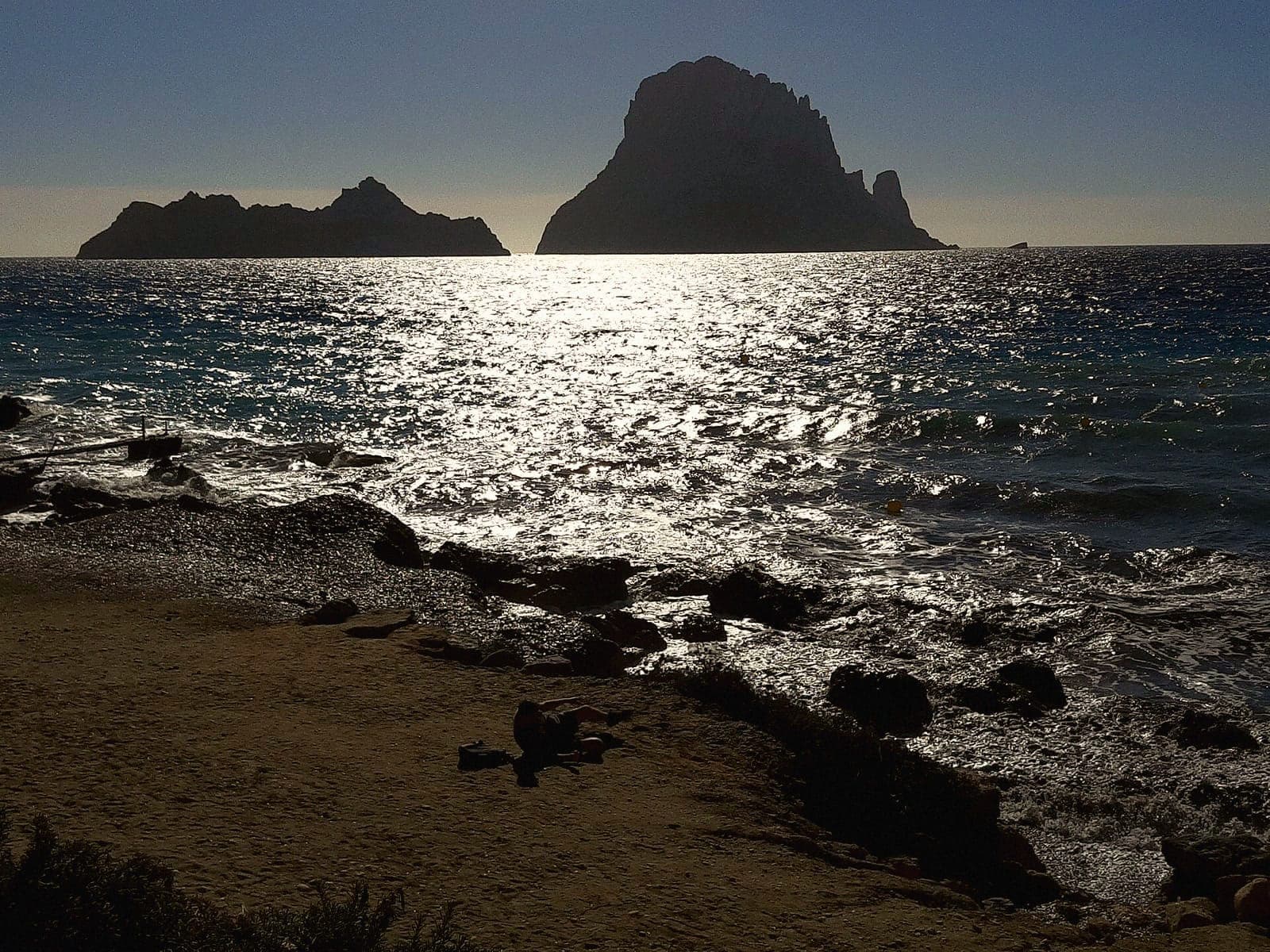
How does "no flyers, no geotags, no followers" actually work?
The clearest lesson comes from the island's biggest bust to date. Diplo was fined €300,000, the largest penalty ever issued for an illegal Ibiza rave, after promoting a 2024 party at the Cala d'Hort viewpoint, overlooking the protected Es Vedrà islet, to his millions of social media followers. That promotion is what built the case against him. The parties still running today learned from his mistake: no public flyer, no Instagram geotag, no line-up graphic, just word of mouth, a shuttle bus whose pickup point gets confirmed hours before departure, and a rural property reached by a dirt road that keeps it off any map. Solomun has played one recurring site, Es Puig de sa Creu, run by the same promoters since 2017, without it ever generating the kind of scrutiny Diplo's Instagram feed did. The island now spends over €2 million a year of its tourist tax specifically funding municipal police to find these parties. Every euro pushes the survivors further into the dark, which is exactly the point of the rule.