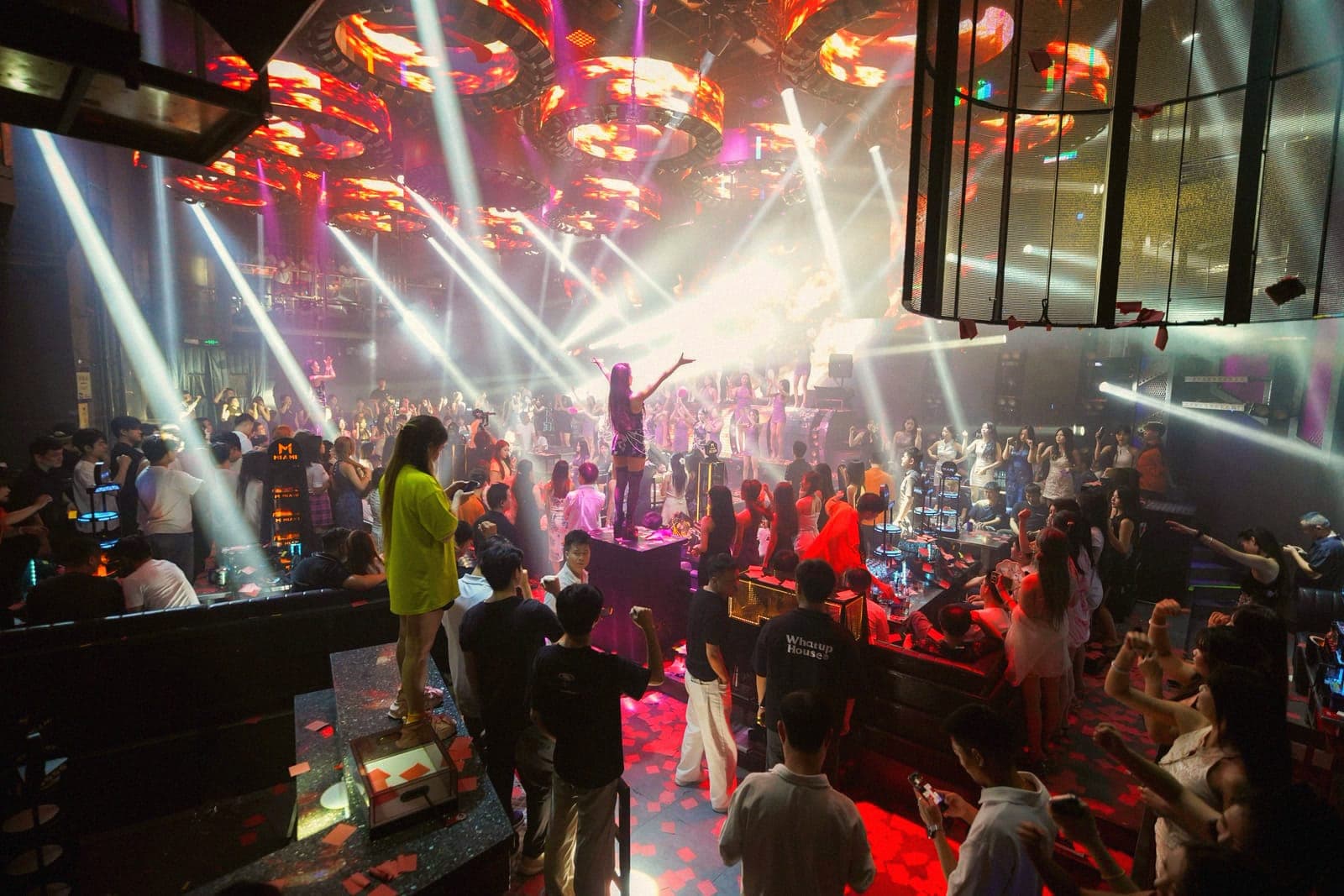
Walk into a packed Berlin club this month and the scene looks exactly like it always has: a long line, a door policy, a room that fills up. That surface stability is real. Clubcommission Berlin's new Clubkultur Berlin 2026 study, produced with research firm Goldmedia and the city's Senate for Economy, Energy and Public Enterprises, counts 24 clubs and cultural venues closed since 2020 against roughly 25 that opened in the same window. By raw headcount, the scene hasn't shrunk at all.
What has changed is what it costs to keep the lights on. The same study, based on 102 completed operator surveys plus twelve qualitative interviews, found that 39% of clubs and promoters closed 2025 in the red, up from 21% in 2017. The share running at bare cost-neutral break-even dropped from 79% to 61% over the same period. Full rooms and thinner margins are not a contradiction here, they are the finding.
Why is a stable club count hiding a shakier business?
The headline closures-versus-openings number flatters the picture because it counts venues, not solvency. A club can survive on paper (still open, still booking, still on the list) while running structurally closer to the edge every year it operates. Clubcommission's numbers point at three cost pressures operators name most: rising personnel costs, general operating costs, and reduced local purchasing power, on top of Berlin's familiar rent and lease insecurity. Only 8% of surveyed venues own their space, and 31% work on leases under five years, which means the businesses absorbing the worst margin squeeze often have the least room to plan around it. Mid-sized rooms, roughly 201 to 500 capacity, are reported as the hardest hit bracket: too big to run lean, too small to command the door premiums a Berghain-scale room can charge.
Where did the bar money go?
The more structural shift is in how clubs actually make money. In 2017, beverage and gastronomy sales made up roughly 60% of a typical Berlin club's revenue, with admission at just 21%. By 2025, that ratio has essentially inverted: door price now accounts for 59% of revenue, gastronomy and drinks for about 20%. That flip lines up with what operators report about their crowd: 73% say alcohol consumption is down, 60% say non-alcoholic drink sales are up, and more than half note shorter average visits as people plan a night out more deliberately instead of drifting from opening to close.
Clubcommission chair Marcel Weber summed up the tension at the study's launch: dancefloors are full, yet many operators are still struggling financially, and that gap between attendance and balance sheet is exactly what the numbers expose.
A club that used to subsidize its door price with bar margin now has to make its money at the door itself, which raises the stakes on ticket price, lineup strength and every night's programming call. Day parties and lower-key, less alcohol-centric formats have grown alongside this shift, but the study frames them as an addition to the calendar, not a replacement for the core nighttime business.
Is Berlin's scene actually at risk, or just under pressure?
The attendance side of the ledger still looks healthy: 83% of events report at least 50% capacity, and roughly a third clear 75%. That is not a scene people have stopped showing up for. But 23% of surveyed operators say they are actively considering shutting down within the next 12 months, a forward-looking number the net-neutral closures-and-openings count doesn't capture at all. Combine that with a workforce increasingly employed on a mini-job basis rather than full-time, and Clubcommission's broader estimate that the scene still drives roughly 2.8 billion euros in indirect economic activity for the city, and the picture is less a scene in decline than one running hotter on thinner fuel: still filling floors, still generating serious money for Berlin, but with far less cushion per venue than it had seven years ago.
For bookers and promoters elsewhere, the door-dependency trend is worth watching closely. If Berlin, the city that built its identity on cheap, spontaneous nightlife, is quietly repricing entry to cover what the bar no longer does, other markets riding the same drop in on-premise drinking are likely closer behind than they'd like to admit.


