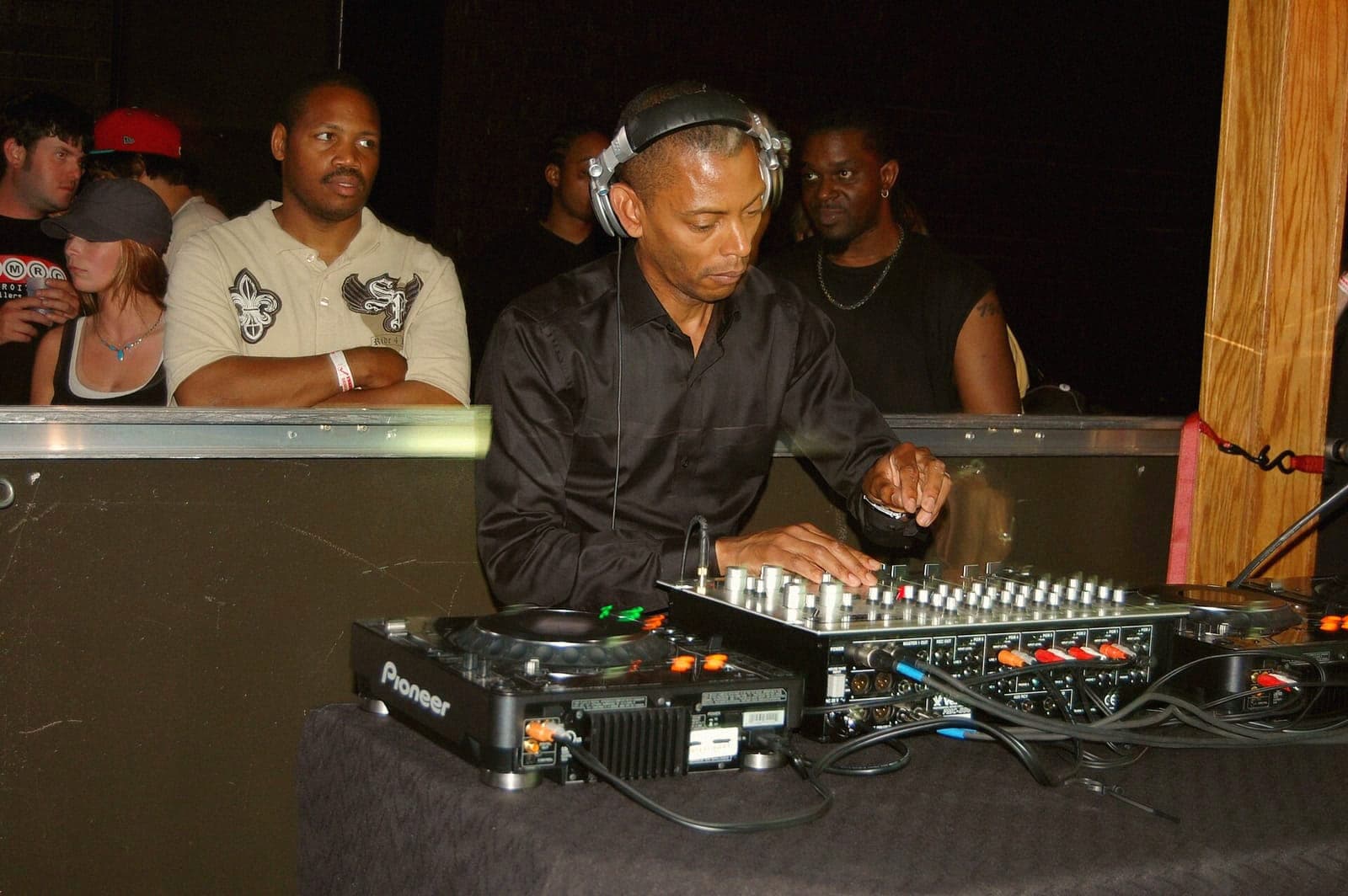
What did Mills actually build inside the Gallery of Honour?
Jeff Mills didn't get handed a backdrop. Audio Obscura, the promoter behind the project, says it approached him with a specific brief: study Rembrandt's The Night Watch and answer it as an artist, not perform in front of it like wallpaper. "We didn't ask Jeff Mills to play a DJ set with De Nachtwacht as a backdrop," the promoter said. "We asked him to study the painting and respond to it as an artist."
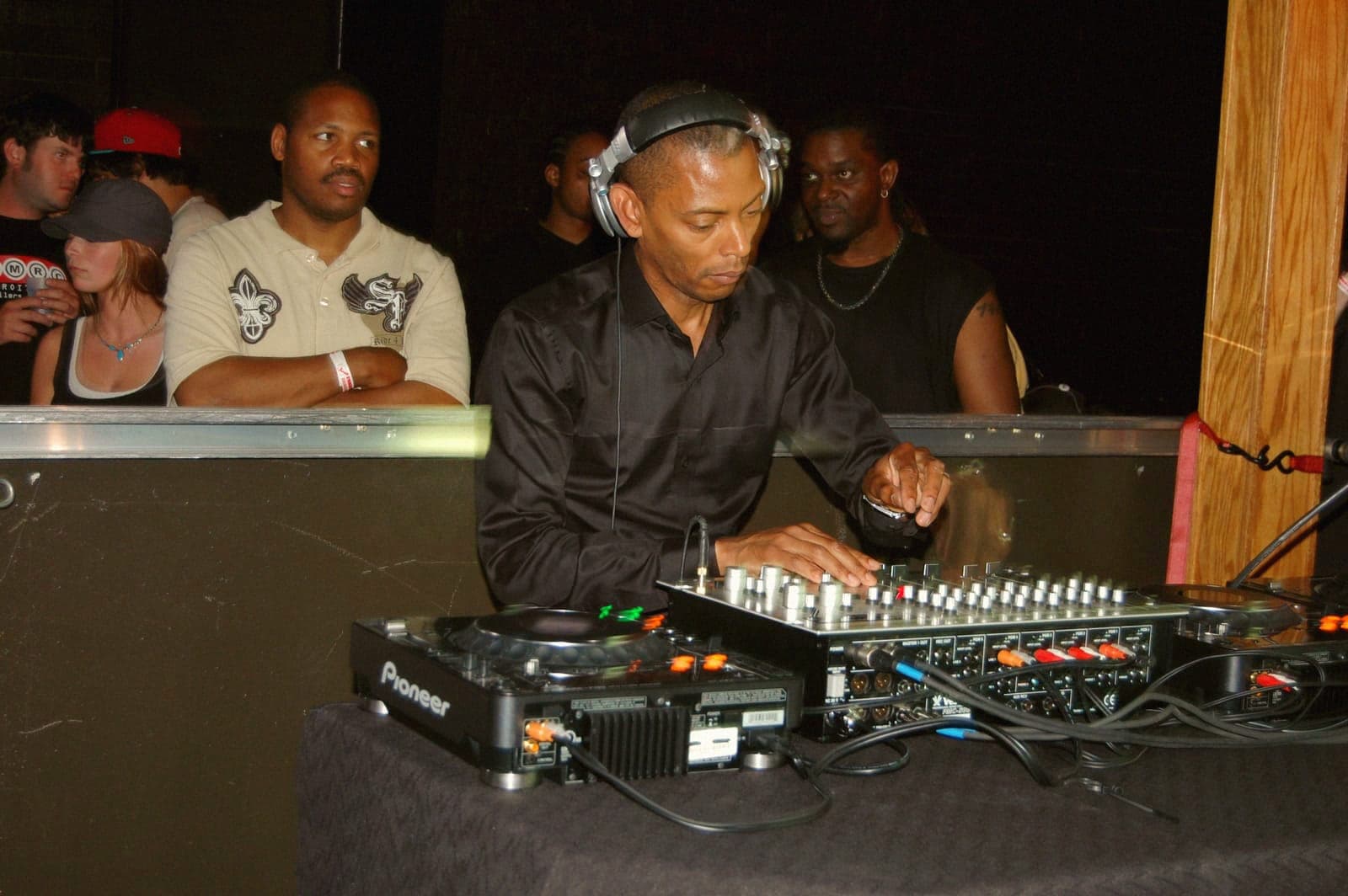
What came back is a three-act, 50-minute film shot inside the Rijksmuseum's Gallery of Honour, the room where the real canvas hangs. Mills works at his equipment, Sophie Boursier performs choreography built from his ideas directly in front of the painting, and the film closes on a performance by Mills himself. The hook holding it together is invented, not historical: Mills imagines the arrival of Marie de' Medici, the French queen famous for bankrolling Rubens, arriving just beyond the edges of a canvas that has nothing to do with her. "It was a great pleasure to create, explore and perform in the presence of Rembrandt's The Night Watch," Mills said. Director Hans Pannecoucke shot the film; both the invite-only premiere and the public cut were made inside the room itself.
Why put a 1642 civic-guard portrait next to a drum machine?
The Night Watch isn't a quiet painting. It's a militia company spilling out of its own frame, a crowd assembling in public with its own hierarchy, uniforms and noise frozen mid-step. That's the actual point of contact Mills is working: a 400-year-old painting about a civic crowd meeting a music built entirely around what a crowd does on a floor at 3am. Marie de' Medici is the device he uses to get there, patronage as the thread between a 17th-century guild portrait and a genre whose own patrons, for most of its history, have been clubs and record shops rather than museums.
The invite-only premiere ran October 21, ahead of free public screenings in the Rijksmuseum's own auditorium, October 22 through 25, three times a day, admission free but capacity capped per slot. It anchors Audio Obscura's 2026 Amsterdam Dance Event programme, which puts a techno name at the front of the museum's calendar during the one week a year the city is full of people whose entire professional life depends on rooms like this one taking their genre seriously.
"We didn't ask Jeff Mills to play a DJ set with De Nachtwacht as a backdrop. We asked him to study the painting and respond to it as an artist."
Does a museum stamp change what techno is, or just who's watching?
Mills has been running this argument for longer than most of the people queuing for ADE have been alive. His 2013 documentary The Exhibitionist framed his own catalogue as gallery-worthy, and he's scored orchestras before this. None of that required anyone's permission. What the Rijksmuseum booking changes isn't the music, it's the room: the Gallery of Honour is the museum's most protected, most photographed space, built around a single national treasure. Letting a Detroit techno producer answer that painting on its own walls is the institution conceding something it didn't have to concede.
That's worth taking seriously and worth being a little suspicious of at the same time. A museum gets a crowd of young, international, culturally engaged visitors it doesn't normally see during ADE week; techno gets to borrow four centuries of unimpeachable cultural authority for an afternoon. Both sides win. Neither side needed the other to be right about what techno already is.