Why did a riverside beach club need an Ibiza-grade rig?
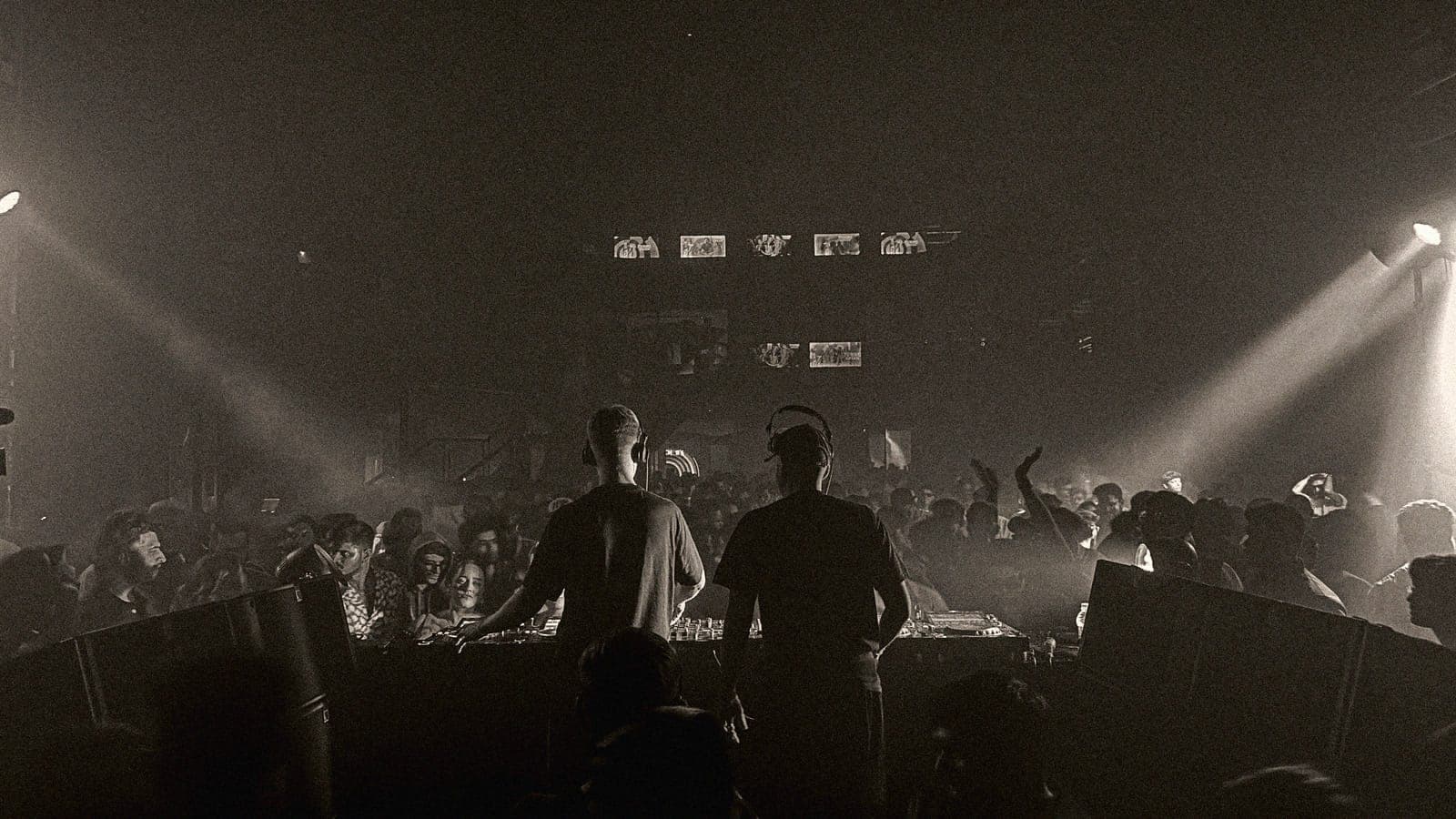
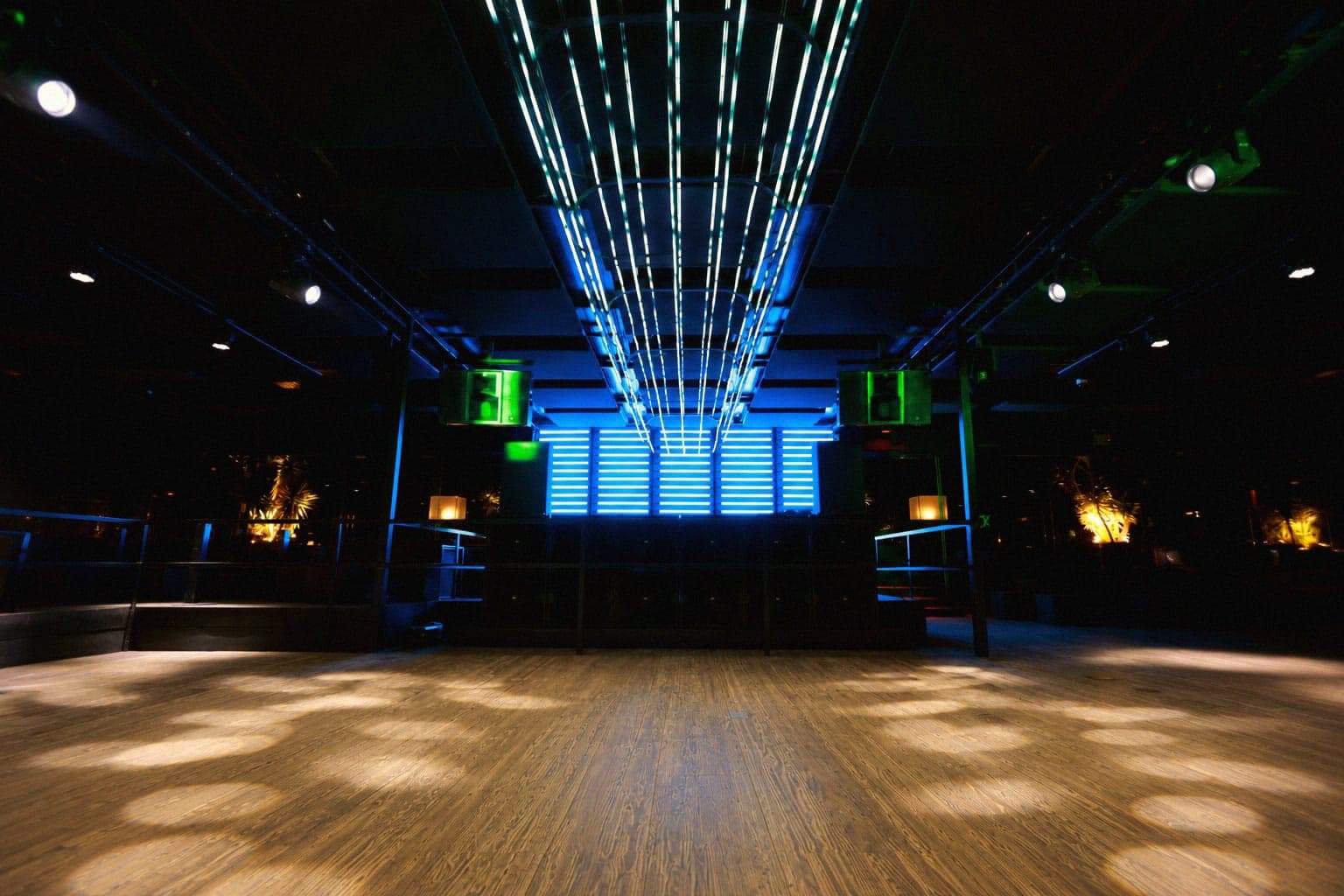
K Urban Beach Club sits on the banks of the Tagus at Lisbon's Cais da Viscondessa, running as a restaurant, cocktail bar and nightclub, with a pool and terrace wrapped around an indoor dancefloor. It's the hybrid format, half sunset lounge, half proper club, that has become the template for southern European nightlife over the past decade. Its old PA was ageing, and per the trade reporting on the project, the owners set themselves an unusually specific target: a system that could hold up against what they consider the reference for club sound, Amnesia in Ibiza, whose main room is one of house and techno's most reference-checked rigs.
That's a bold benchmark for a club this size to name out loud, and a different engineering problem than it sounds. Replicating Amnesia's scale isn't the goal on a beach-club budget, in a building with open-plan, glass-heavy architecture sitting right on a river. Getting Amnesia-level clarity and control in that kind of room is.
What's actually in the quad double-stereo rig?
KV2 Audio, the Czech manufacturer, sent system engineer Jakub Suchomel to run an on-site acoustic assessment before any gear was ordered, an unusually thorough step for a project this size. "We performed an in-depth analysis of the venue's architectural and acoustic challenges, which provided critical insights into the requirements for audio design," Suchomel said. What started as a straightforward swap grew, in his words, into "a complete transformation of the club's main dance floor."
The main room now runs on four SL412 wide-dispersion loudspeakers in what KV2 calls a quad double-stereo configuration: two stereo pairs positioned to keep coverage even across an open-plan room, instead of one array firing down a single axis. Four ESD15 boxes cover the sides, four ESD8 units and eight compact ESD6 enclosures handle the peripheral areas, and low end comes from twelve ES1.8 subwoofers running on their own dedicated VHD32000 amplification rather than sharing power with the tops. That separation matters more than it sounds: it lets an engineer ride the sub level independently of the mid and high frequencies, exactly the control a glass-fronted, riverside venue needs if it wants weight on the floor without bleeding low end across the terrace and out over the water. Four ESP2000, six SL3000 and three VHD3200 amplifiers drive the whole system. A second room picked up two more SL412s in what KV2 describes as a phased rollout, reusing parts of the old DJ monitoring setup as a stopgap.
"The plan grew to include a complete transformation of the club's main dance floor."
Does one club's PA rebuild actually matter?
On its own, no single install is industry news. What it shows is where the money is going in mid-tier European club sound: rooms without festival-scale budgets are increasingly buying rider-grade rigs with independently amplified subs and multi-zone coverage, the kind of spec that used to be reserved for touring PAs and the handful of clubs everyone already name-checks. Riverside and beach-adjacent venues have a specific incentive here: open-air terraces and nearby residents mean noise complaints and curfews are a constant threat, and a directional, well-controlled system is as much a regulatory tool as a creative one.
K Urban's owners are already talking about extending the same KV2 setup to other venues in their Lisbon portfolio. If that happens, it's a small but real data point in a wider pattern: multi-venue nightlife groups standardising on one manufacturer's ecosystem across a city, rather than treating each room's sound system as a one-off purchase.