Most festivals in Southeast Asia still reach for the same playbook: book a flight-in Western headliner, put that name at the top of the poster, and let it do the selling. KAJE, debuting September 25-27 in Bali's central highlands, is skipping that step entirely.
The phase-one lineup, released by Bali promoter Blackout Agency, is Dekadenz (the Jakarta collective of Jonathan Kusuma, Aditya Permana and Ridwan), Thailand's Sunju Hargun, Hanoi-based Ouissam, Singapore's Daytime Dancing and Hammy, and Indonesians Zoot, Danny Satria and Bagvs. No European or American name anchors the bill. More acts are still to be announced, but the framing is deliberate: this is a festival built entirely on the region's own scene.
Why skip the imported headliner?
Zach Kim, who performs as DJ Zig Zach and has run Blackout Agency out of Bali for four years, told Mixmag Asia the move to the highlands was as intentional as the booking. "Moving up to the mountains is exactly what we intended, the coastal area tend to be overcrowded with tourists and can get very hectic," he said, adding the team "wanted to showcase a different side of Bali's nature and nightlife." On the lineup itself, he framed it as a debt paid back to the scene that built Blackout: "This is about giving back to the scene and the island that has shaped us... KAJE is about putting those artists and crews centre stage."
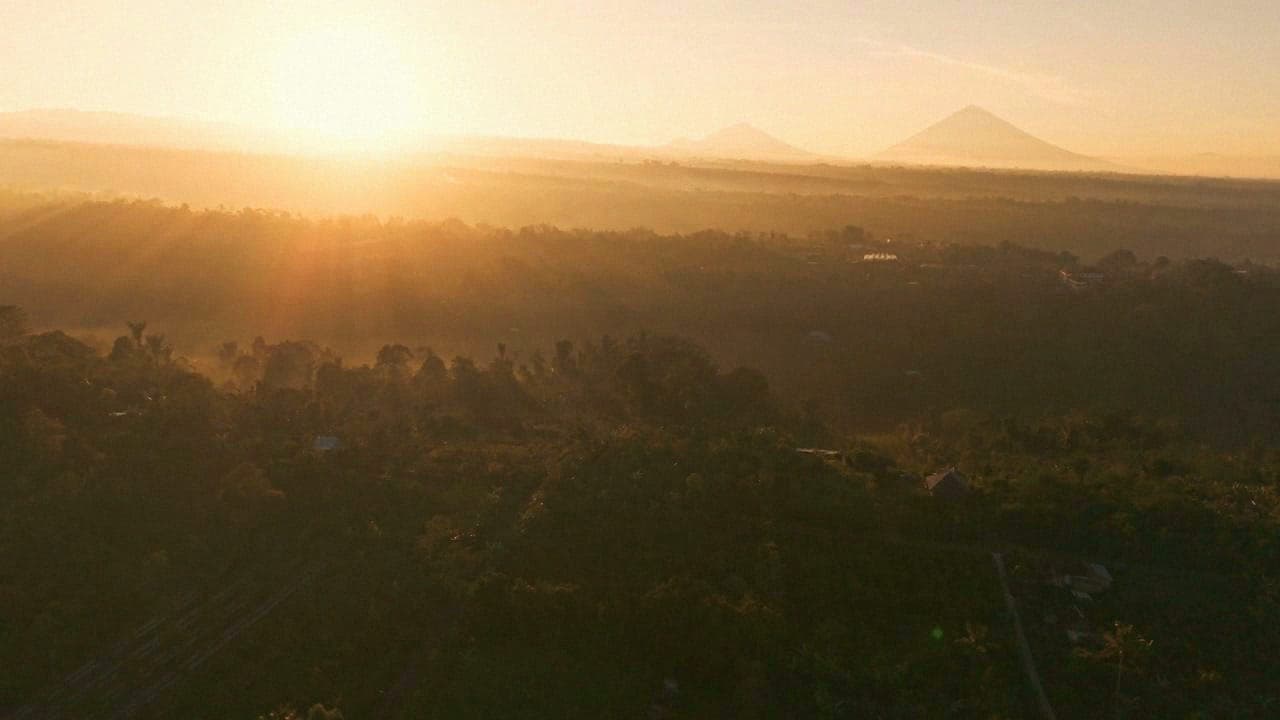
The venue backs up that intent. Bagus Agro Pelaga is a working 18-hectare agricultural eco-farm roughly 950 metres up in Bali's highlands, framed by views of Mount Agung, Mount Abang and Mount Batur, with 48 resort rooms and an on-site campsite. It is a deliberate step away from Bali's saturated beach-club circuit in Canggu and Uluwatu, where the international-headliner model is entrenched.
What does a day at KAJE actually sound like?
Programming is split by the clock rather than by genre alone. Daytime sets lean into live acts, ambient, disco, funk, soul and Indonesian rare groove; house and techno take over from sunset onward. Alongside the music, Indonesian artist Didin Jirot presents a sound-and-sculpture installation titled "Totem Of Frequency," paired with a curated listening session from Millers Records, plus additional work from the Balinese collective Kala Patha and visual artist Reza Hasni across the venue.
"This is about giving back to the scene and the island that has shaped us... KAJE is about putting those artists and crews centre stage."
Is this a one-off or a real shift?
One debut festival cannot rewrite booking economics across a region where promoters still lean on Western names for credibility with sponsors and international ticket buyers. But KAJE is a clean test case: an organizer with four years of standing in the local scene betting his first festival entirely on artists most of the international touring circuit has never booked. If the eco-farm setting and the highland positioning against Bali's beach-club glut sell tickets without an imported headliner on the poster, it gives every other regional promoter a template to point to next time a booking agent insists the lineup needs a flight-in name.