What did Hot Mix 5 actually do for house music?
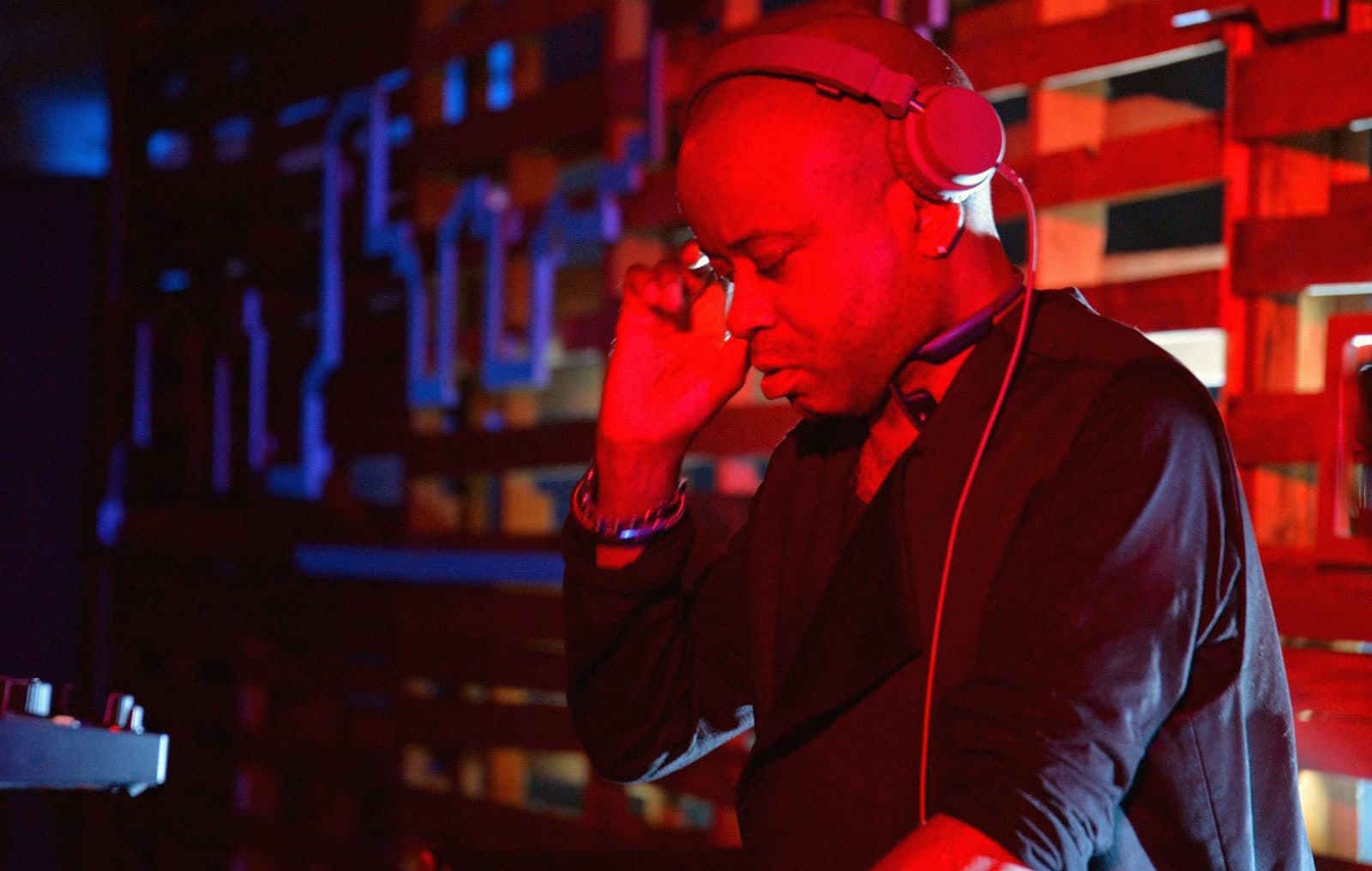
In 1981, WBMX program director Lee Michaels put five Chicago DJs on the air together for a Saturday night show that had no real precedent: mixing live, back to back, for a mass broadcast audience rather than a club crowd. Kenny "Jammin" Jason was one of them, alongside Farley "Jackmaster" Funk, Mickey "Mixin'" Oliver, Ralphi Rosario and Scott "Smokin'" Silz. Together they became Hot Mix 5, and the show turned WBMX from an also-ran into the top-rated music station in Chicago, pulling in an audience reported at close to two million listeners. That is the part of the story that gets lost in the trivia: house music's first mass audience did not come from a club, a label or a chart. It came off the radio dial, and Hot Mix 5 built that bridge.
"I miss you already. RIP. This really hits harder than anyone could know and I'll tell this story if I'm alive to tell it.", Farley "Jackmaster" Funk
Funk posted that line on his personal Facebook page on November 19, 2026, confirming Jason's death. No cause has been disclosed.
Who was Kenny "Jammin" Jason beyond the radio booth?
Jason was not just a mixer in a rotation. In 1985 he released his own instrumental EP, "Jam Tracks," six tracks built for exactly the kind of blending Hot Mix 5 specialized in, and he worked with Fast Eddie on "Can U Dance," one of the records that carried the Chicago sound beyond the radio booth. A year later, he, Mickey Oliver and Ralphi Rosario co-founded Hot Mix 5 Records, turning the crew's on-air reputation into an actual label. The City of Chicago eventually named a street after him, DJ Kenny Jammin Jason Boulevard, a rare civic nod for a DJ rather than a recording artist in the traditional sense.
Why does a 1981 radio crew still matter now?
Every genre has an origin myth about the room it broke out of. House music's is usually told as a club story: Frankie Knuckles at the Warehouse, the Music Box, deep cuts traded on reel-to-reel. Hot Mix 5 is the part of that story that happened somewhere else entirely, a radio tower, a program director willing to bet an entire Saturday night slot on five club DJs, and an audience that had no idea it was being introduced to a new genre. That bet worked specifically because WBMX had a reach no club night ever could. Losing one more of the five who made it pay off narrows the number of people left who can tell that version of the story firsthand.