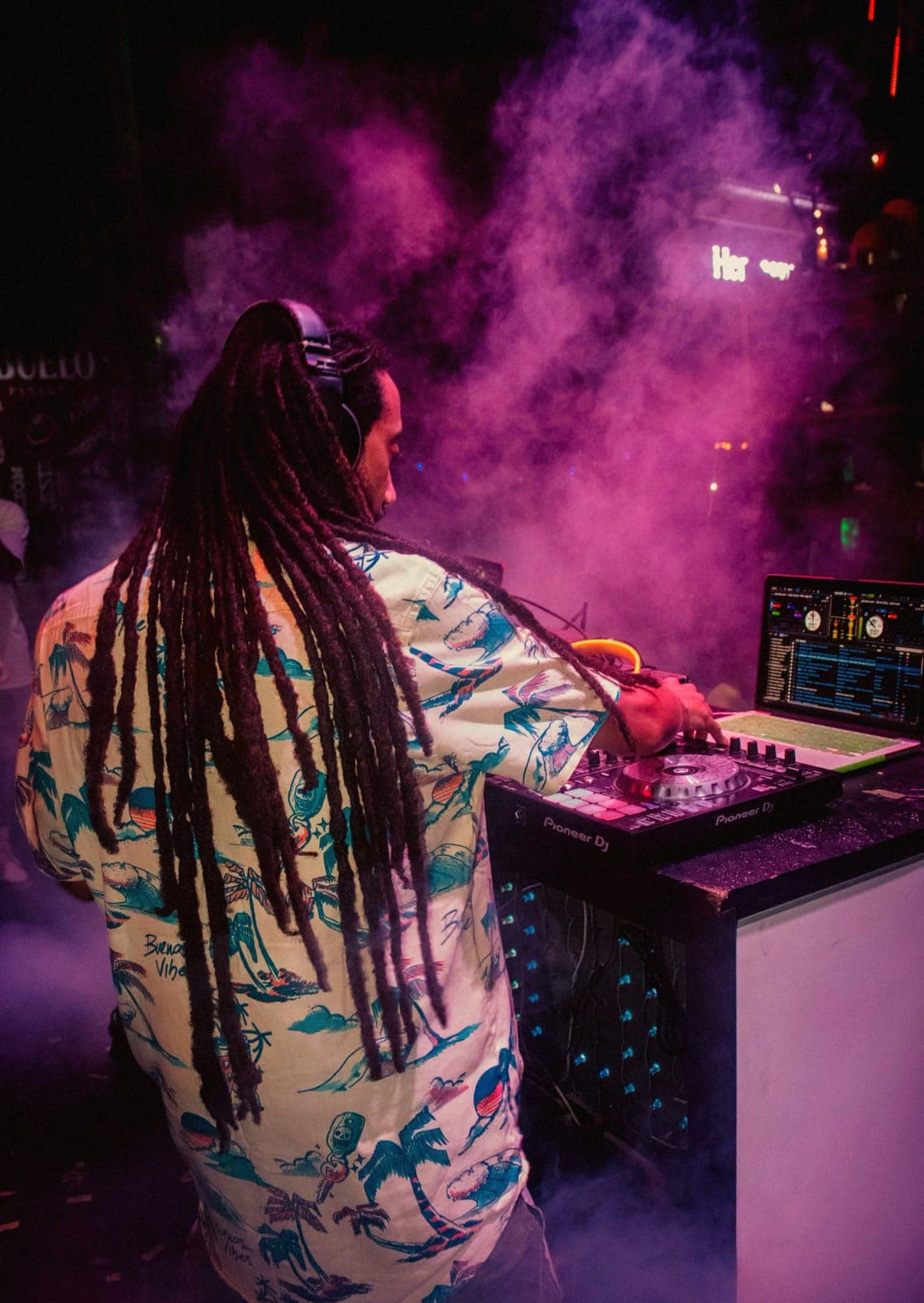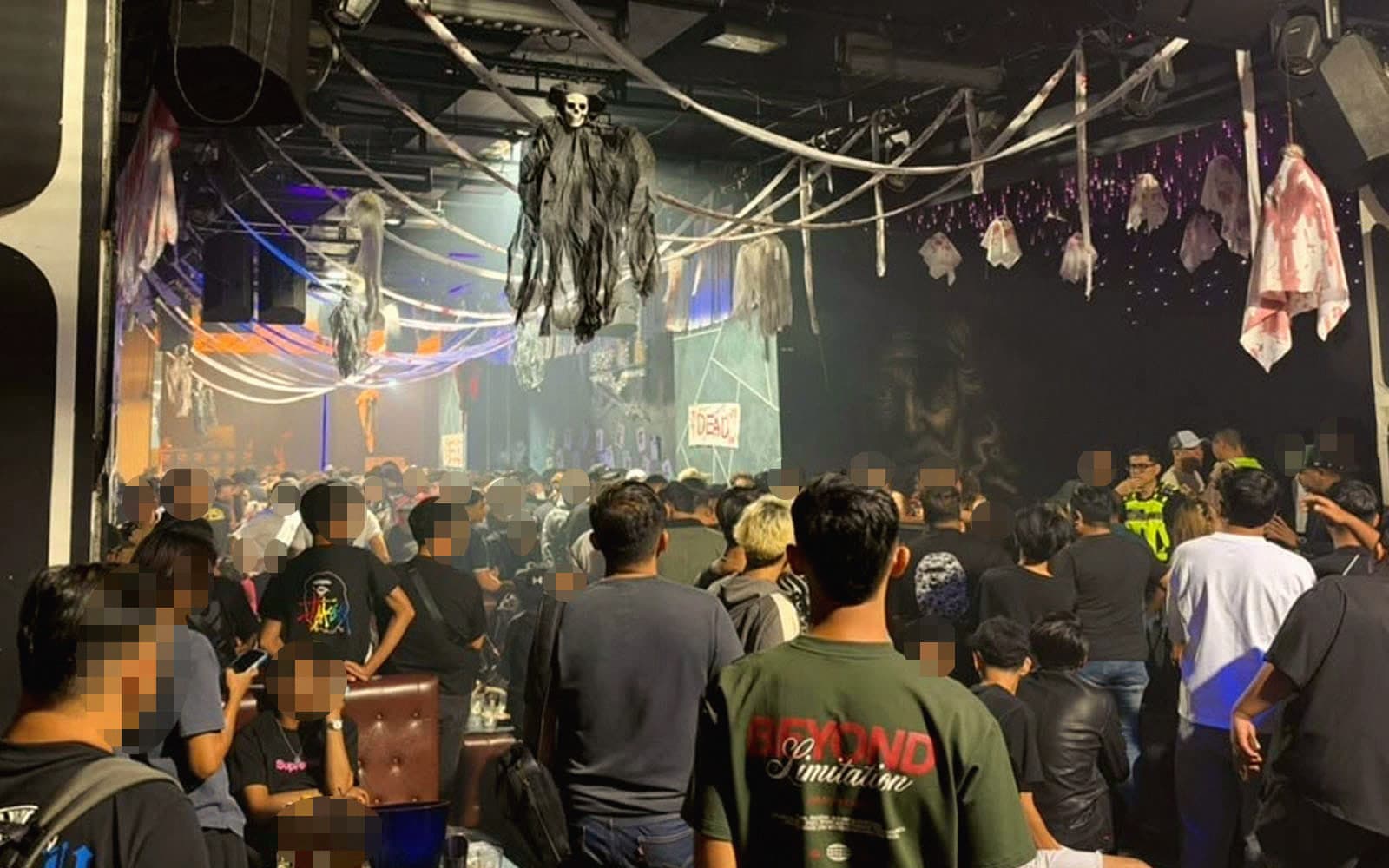
Radisson Blu's hotel in Kadavanthra, Ernakulam, holds an Excise Department licence to serve alcohol until 3 a.m. Kerala Police told it to shut its DJ sets down by 11 p.m. anyway, no incident report required, just the assumption that a dancefloor and a sound system add up to a drug problem. The hotel went to court. It won. The state appealed. It is now losing again, in open hearing, to two judges who sound more like dancefloor defenders than jurists.
What did the judges actually say?
Hearing the state's appeal, Justice Devan Ramachandran put the police's logic back to their own lawyers: "How can we say that listening to music or dancing leads to drug consumption?" He didn't stop there. Dancing, he noted, is part of celebration in churches and temples too, so why does it become criminal evidence the moment a DJ is on the decks instead of a priest. The bench told the state flatly: "You are stereotyping DJ parties to mean parties where drugs will find their place. Policing cannot be allowed on stereotypes."
This follows a November 10 single-judge order that had already quashed the police notices against the Kochi hotel, ruling that officers cannot restrict a licensed business's hours on the basis of what might happen rather than what did. The state appealed that to the Division Bench anyway, and is now being asked by the same bench to produce the actual law it claims lets it single out DJ parties. So far it hasn't named one.
"You are stereotyping DJ parties to mean parties where drugs will find their place. Policing cannot be allowed on stereotypes."
Is this a free pass for anything goes at 2 a.m.?
No, and the court was careful to say so. In a clarification issued November 13, the bench stated the crackdown on actual drugs and prohibited substances should continue "at all times and with such force and vigour as is absolutely necessary": police keep full power to act on real violations, inside a DJ party or anywhere else. What they lose is the shortcut of banning an entire category of nightlife, and treating every person on a dancefloor as a suspect, without ever pointing to a specific law or a specific offence. The judges also said the DJ profession "deserved respect" rather than the prejudice it had been getting, and that people go to these events to relax and enjoy themselves, not to break the law by default.
The case, Radisson Blu Kochi against the Kerala government, was back in front of the Division Bench on November 20. The state still has to answer the court's question: name the law, or drop the ban.
Why should anyone outside Kerala care?
Because the policing logic the court just tore apart is not a Kerala invention. "Dancefloor equals drugs equals shut it down" is the same reasoning that has closed clubs and killed late licences from London to Lagos, usually with zero actual drug seizures attached to the decision. A court calling that out by name, on the record, is rare anywhere, and it gives every promoter and lawyer fighting a midnight curfew somewhere else a genuinely useful line to quote.