"This might be an unpopular opinion, but I think ketamine is changing the dance floor, and I think we need to talk about it." Electronic music duo BONNIE X CLYDE recently raised this thought-provoking question. As nightlife habits evolve, could the growing popularity of ketamine be changing the collective energy and experience of dance floors?
The substances people choose to consume can influence not only their individual experience but also the collective atmosphere around them. A dance floor filled with people experiencing euphoria and stimulation may feel very different from one where many are sedated or dissociated. Of course, these effects vary, and no substance guarantees a particular experience.
Psychoactive substances have long been part of rave culture, but their effects can be remarkably different. MDMA (ecstasy) can increase energy, euphoria, emotional openness, and feelings of social connection, while psychedelics can heighten sensitivity to music, lights, emotions, and the surrounding environment, creating deeply immersive experiences.
Ketamine, on the other hand, is a dissociative substance that can produce feelings of detachment from the body and environment, altered perception, and reduced physical coordination. While some experience this as deeply immersive, others may become less physically engaged with the world around them.
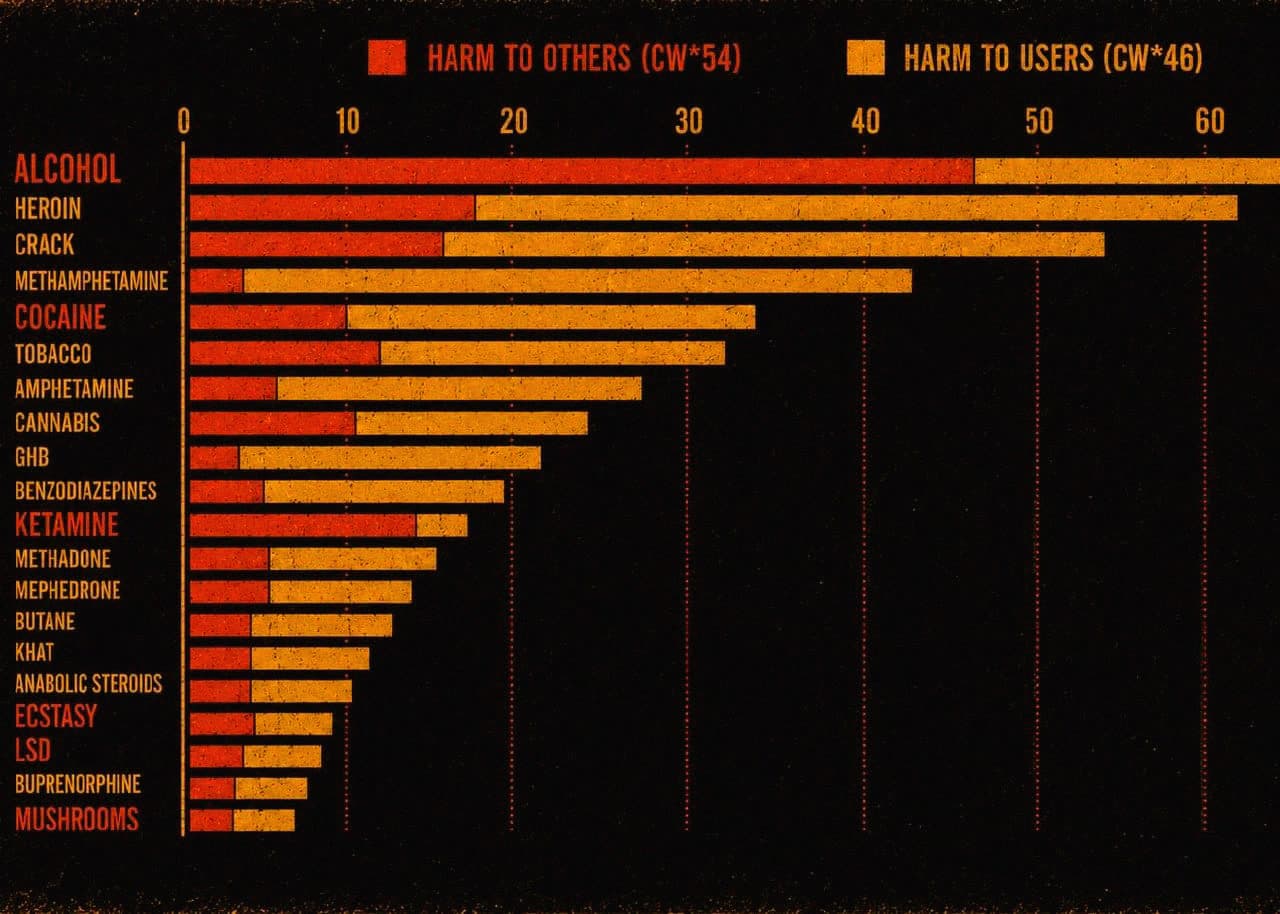
But is ketamine really the problem? Blaming one substance would oversimplify a much bigger cultural shift. Smartphones, constant filming, social media, and the pressure to appear cool rather than genuinely let loose may also be changing how people behave at raves.
Excessive intoxication of any kind, including alcohol, can also affect our ability to connect, move, and engage with those around us. Being mindful of what we consume, how much we consume, and how our behavior affects others isn't about judging anyone's choices. It's about recognizing that personal freedom and collective responsibility can coexist.
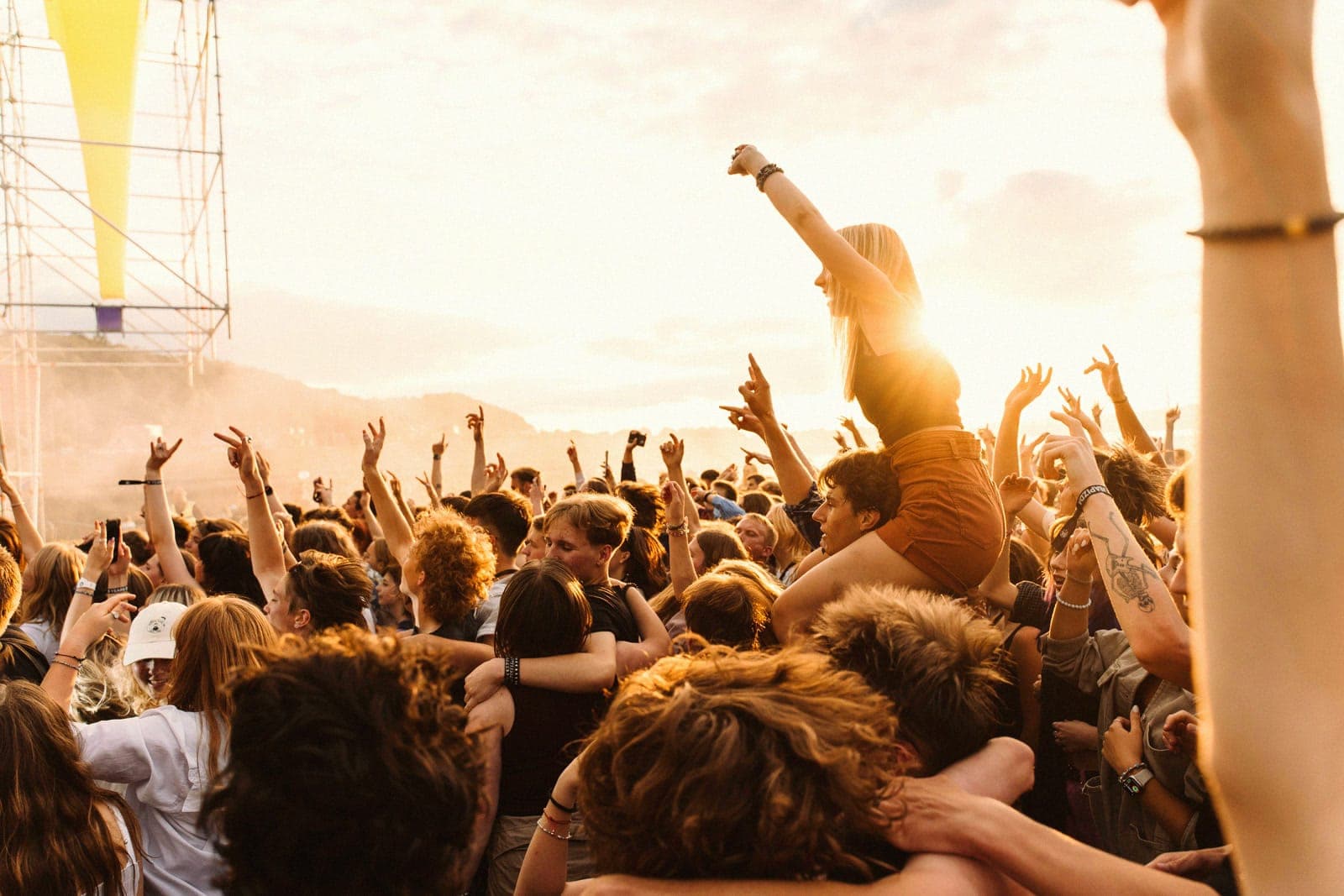
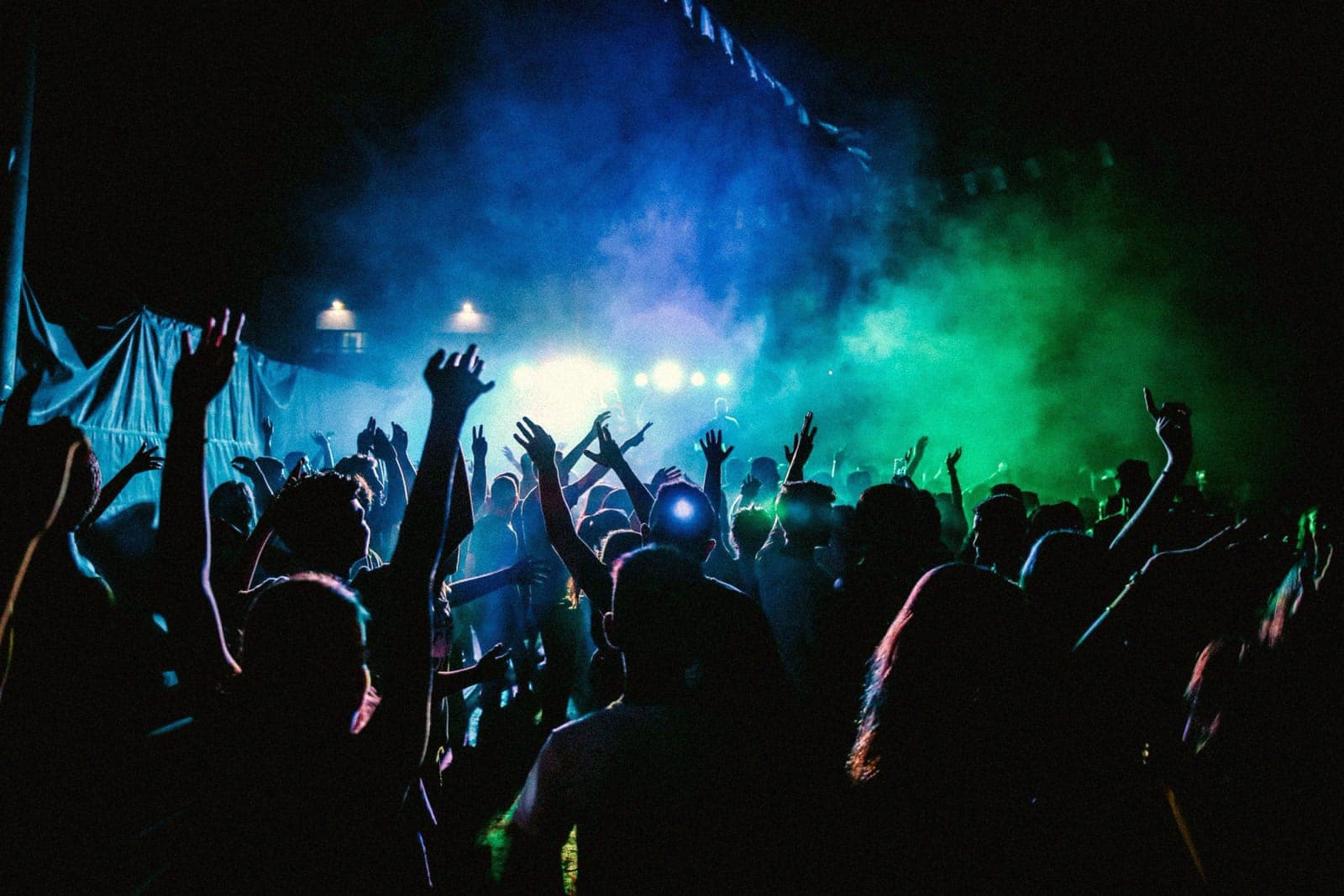
A rave isn't just a concert. While concerts often revolve around watching performers on stage, rave culture has traditionally been built around participation. The DJ provides the music, but the crowd helps create the atmosphere. Every person dancing, smiling, interacting, and expressing themselves contributes to the experience. We aren't just consuming it. We're creating it together.
This doesn't mean everyone needs to dance nonstop, be extroverted, or experience music in the same way. Some of the most meaningful moments on a dance floor can be quiet and introspective. But there's something uniquely powerful about a crowd that feels connected, present, and collectively engaged in the music.
Rave culture was built on freedom, expression, community, and shared experiences. The magic doesn't come exclusively from the DJ, the sound system, or the substances. It comes from what happens between us. So perhaps the question isn't simply what kind of night we want to have, but what kind of dance floor we want to contribute to.