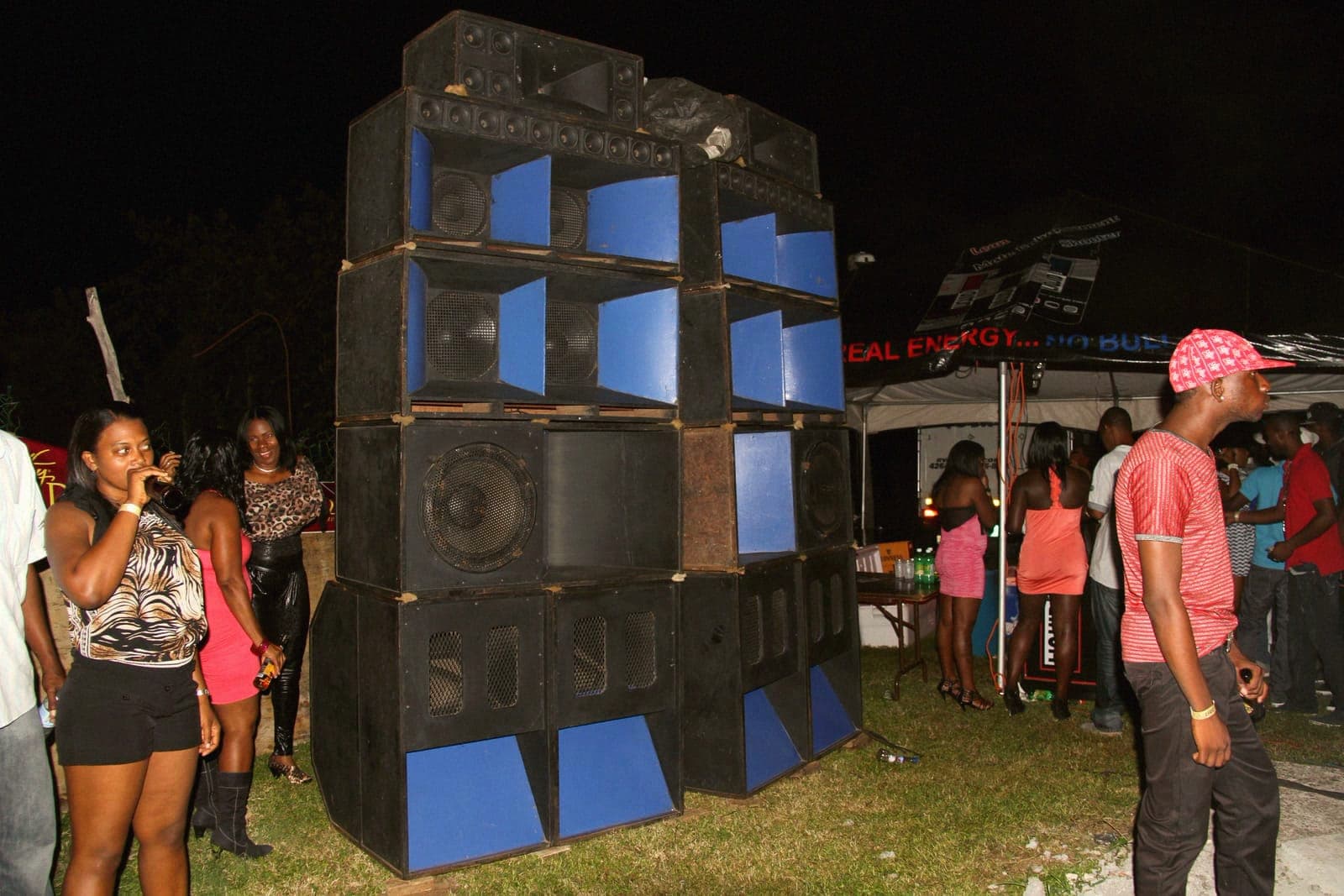
Before the nightclub became a global industry, before festival main stages, before bottle service, before the DJ booth became a status symbol, there was a truck, a generator, a turntable, and a stack of speakers in Kingston.
The Jamaican sound system was one of the original technologies of modern dance music culture. It did not begin as luxury nightlife. It began as public sound. In late-1940s and early-1950s Kingston, DJs and operators brought massive speakers into streets, yards, and open-air spaces, playing American rhythm and blues for working-class communities excluded from uptown colonial dances. (Mad Museum)
That detail matters. The sound system was not just a technical innovation. It was a social correction.
Jamaica was still a British colony, gaining independence only in 1962 after centuries of rule. (nlj.gov.jm) In Kingston, music became one of the few spaces where marginalized communities could gather, move, speak, and be heard.
This is why sound system culture cannot be reduced to “big speakers.” The speaker stack was infrastructure, but the real invention was the social form around it.
A sound system was a mobile institution: selector, MC, engineer, operator, box builders, technicians, and crowd working as one living feedback loop.
By the 1950s, crews began competing for territory, exclusives, volume, and crowd reaction. This evolved into sound clash culture, neighborhood systems battling with records, dubplates, charisma, and audience response. (papermag.com)
Long before social media metrics, the dancefloor had its algorithm: crowd noise.
The louder the reaction, the stronger the sound.
This pressure reshaped music itself. Systems demanded exclusive records, heavier bass, and versions built to shock. Dubplates (one-off cuts for specific sounds) became weapons. (thereggaeinstitute.org)
From there, remix culture took form.
When vocals were stripped, rhythm came forward. When engineers pushed bass, echo, and space, the studio became an instrument. When MCs began toasting over records, the voice became part of the system. Early figures like Count Machuki and later U-Roy helped define this evolution. (The Guardian)
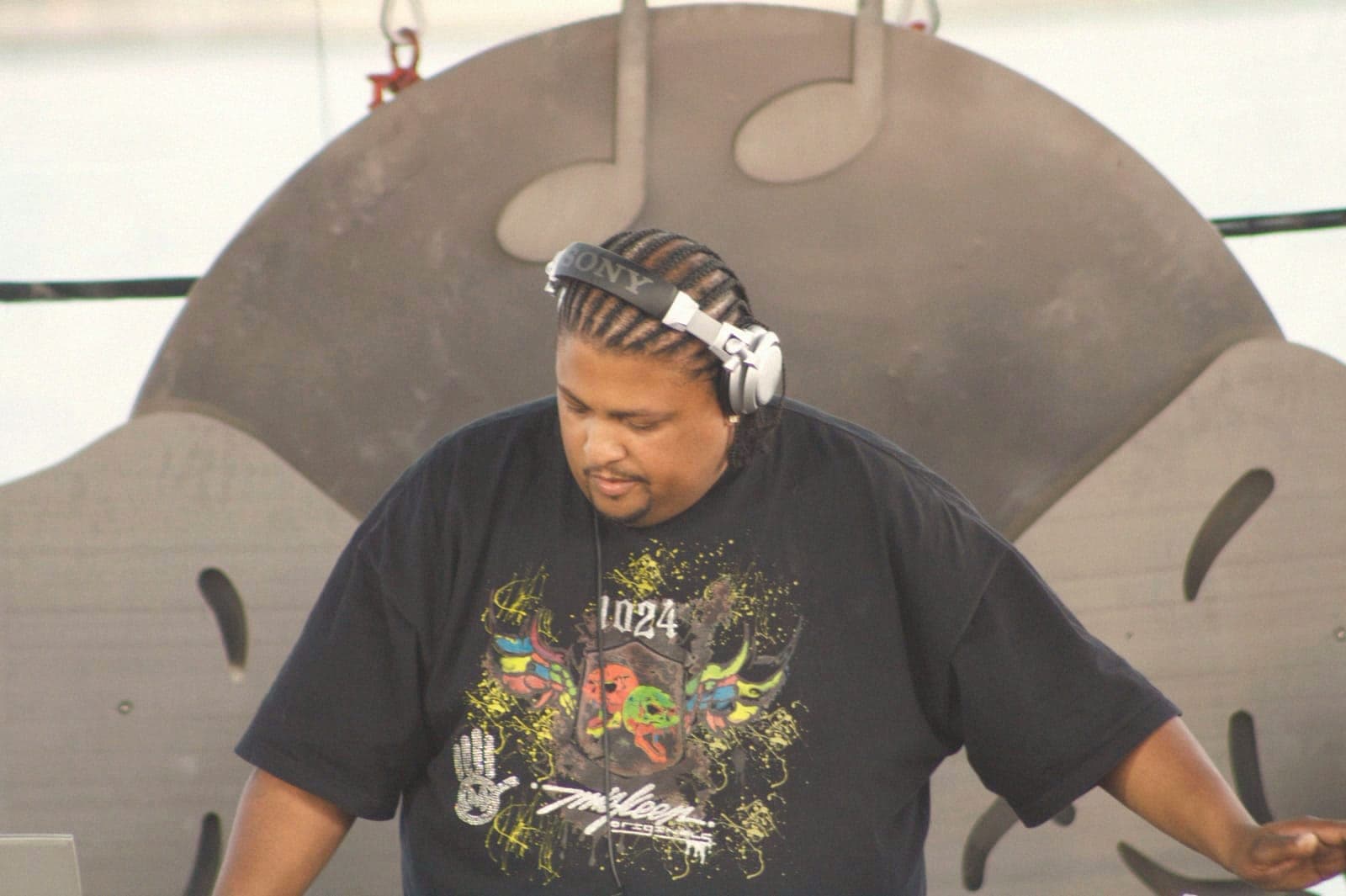
DJ culture did not begin in one city. But Kingston established many of its core principles: DJ as narrator, MC as activator, engineer as artist, sound system as identity, remix as event, bass as physical force, crowd as co-creator.
That lineage moved outward through reggae, dub, dancehall, and Jamaican migration, shaping UK bass culture, jungle, dubstep, garage, and sound system scenes. It also influenced hip-hop's early block parties via Kool Herc, and later electronic music through dub's studio innovations. (Jamaica Information Service)
House music is not a direct descendant in a simple line, but the wider architecture of club culture (DJ centrality, extended mixes, bass emphasis, dancefloor as refuge) carries Kingston's imprint.