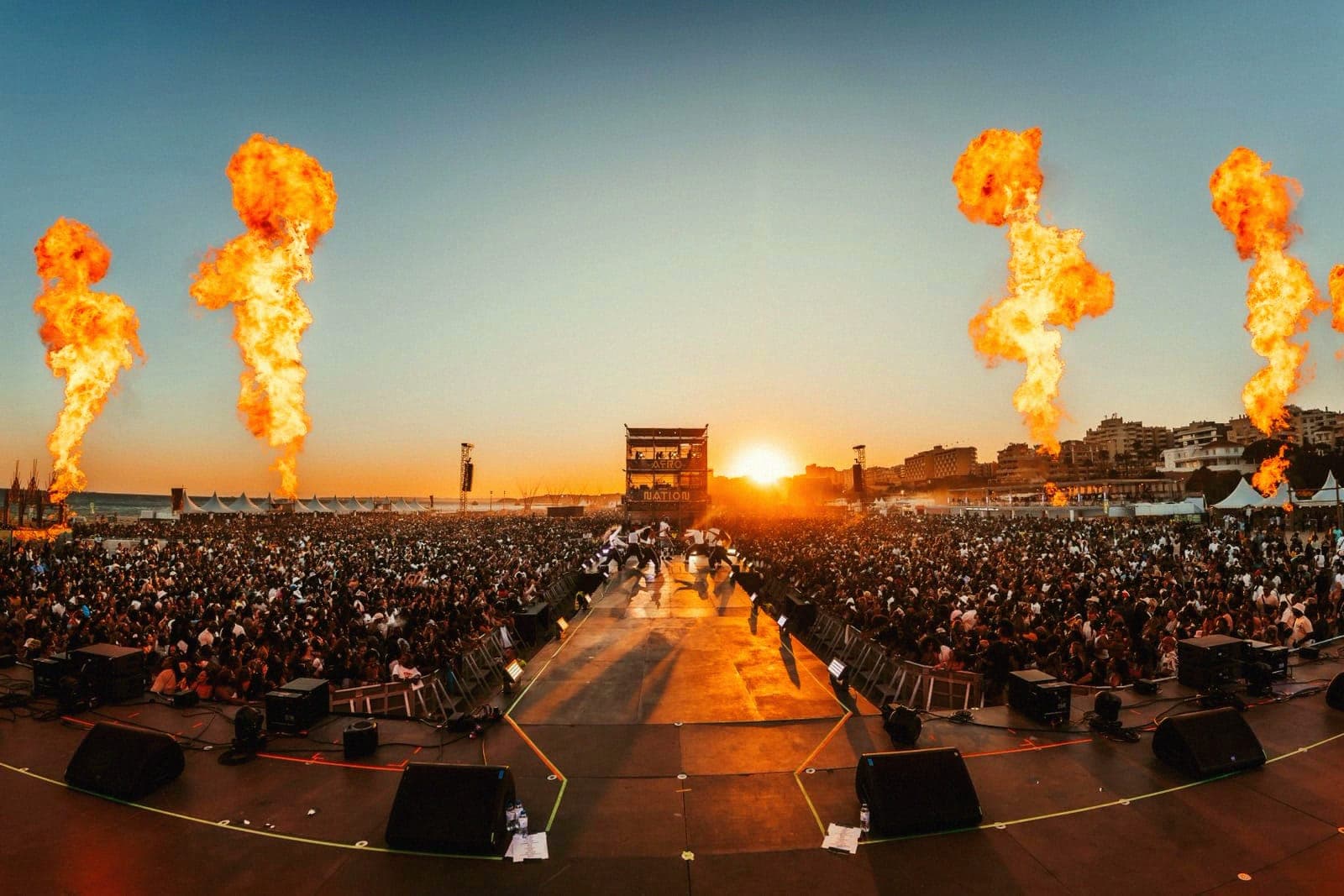
Brazil's electronic music map has one obvious center of gravity: São Paulo, with Rio de Janeiro a distant second. Every big booking, every headline residency, every trade story about the country's dance scene runs through those two cities. LENDAA doesn't.
Chapter V, the festival's fifth consecutive edition, is running this weekend, August 21 and 22, at Santuário Nhundiaquara, a 400-hectare Atlantic Forest property in Morretes, a historic town on Paraná's coast about 90 minutes from Curitiba. There's no club, no warehouse, no urban skyline in the background. There's forest, the Rio Nhundiaquara, and a centuries-old rail line through the Serra do Mar that some attendees ride in on instead of driving.
What makes LENDAA different from Brazil's club circuit?
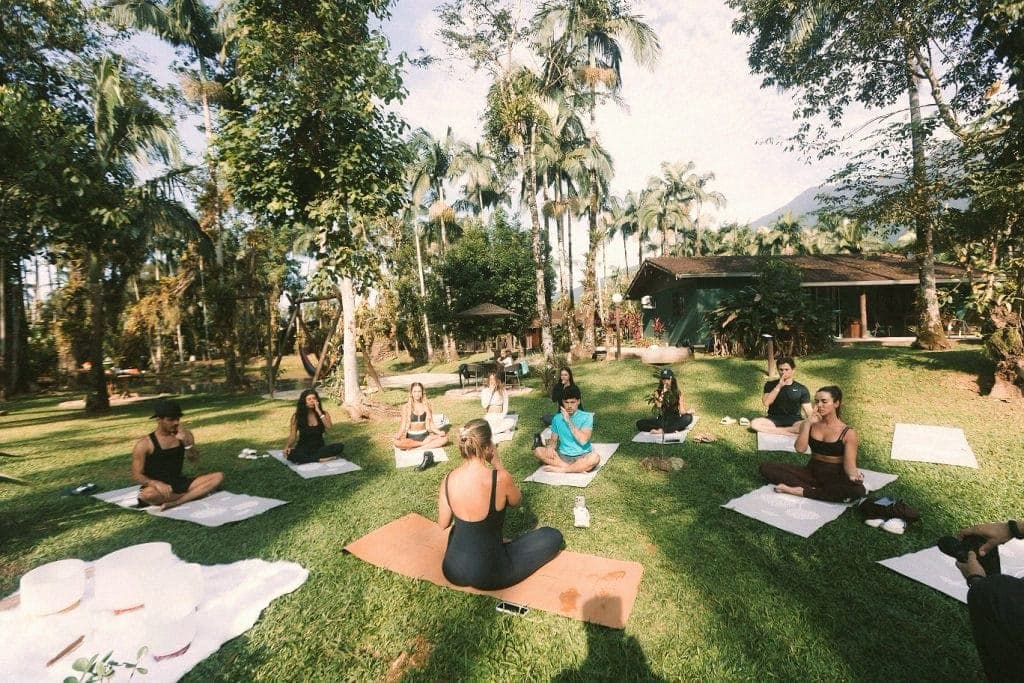
Most Brazilian electronic festivals are single-day, single-purpose: you show up, you dance, you leave. LENDAA builds a second layer into the same weekend. Saturday opens with a Wellness Day, yoga and breathwork sessions run in partnership with Lofy Studio, before the lineup picks back up into the night. It's not a spa add-on sold separately; it's scheduled into the same program as the headline sets, on the same site, for the same ticket.
That nature-immersive, wellness-integrated format is rare on Brazil's electronic circuit specifically because it's expensive and logistically harder than booking a São Paulo venue: sound, power, camping and transport all have to be built from scratch on forest land, 90 minutes from the nearest big city. Five straight years of doing it anyway is the actual story here, more than any single lineup.
Who's playing Chapter V?
The headline slots go to two progressive house veterans: French producer Sébastien Léger, a two-decade fixture of the progressive and tech house circuit, and German producer D-Nox, one half of the long-running Stefan Netsch project that helped define the organic house sound now closely associated with festivals exactly like this one.
Around them, LENDAA books regionally: Dora Furlan, Felipe Poeta and Yumi Project lead a supporting bill that also includes Dor Danino, Carmelos, JACKSON, PA & Thibes, Riche and Unfazed. That mix, international headliners plus Paraná and Brazilian regional talent sharing the same stage, is deliberate: it treats the local scene as worth billing next to the imports, not as a warm-up act for them.
Why does a forest festival matter for Brazil's underground?
Because it's proof the format survives contact with the market. A niche, nature-based festival competing for the same ticket money as São Paulo's club calendar could easily have folded after one or two editions. LENDAA is on its fifth, at 400 hectares, with international progressive house headliners still willing to fly in for it.
This year's organizers are also running a "No Phones on the Dancefloor" campaign, not an enforced ban, just a request that the crowd put phones away and look at the stage. It's a small gesture, but it fits the rest of the festival's pitch: less screen, more forest, more actually being there.
The pitch isn't a party with a yoga class attached. It's built as one weekend, one site, one program.
Why it matters
LENDAA is a working alternative to Brazil's São Paulo/Rio-centric festival geography, and five consecutive editions is the proof point that a nature-immersive, wellness-integrated model can hold an audience and book real international headliners without a big city underneath it.
What we think
The wellness-day integration isn't a gimmick tacked onto a rave to sell more tickets; it's the actual structure of the event, on the same site and the same bill as the headliners. Five years of surviving in a market that lives and dies by São Paulo club nights is the real headline, and other Latin American promoters chasing a differentiated festival should be paying attention to Morretes, not just to who's on the poster.