Why did DJs stop letting a track play?
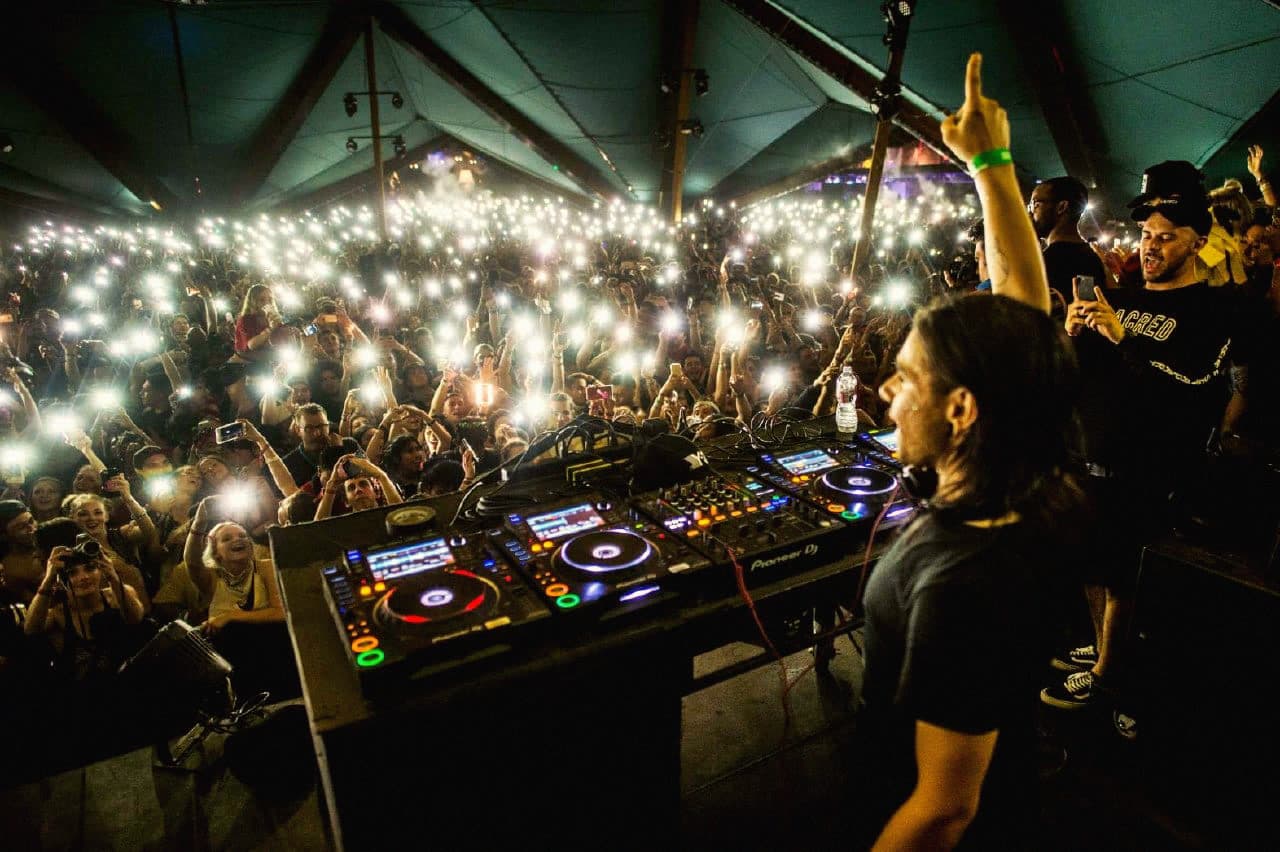
Because the set stopped being something you hear and became something you watch. An Ostgut Ton resident's seven-minute record used to be an invitation to disappear; now the same seven minutes reads as dead air on a timeline. The clip economy has a clear preference: a slick transition, cut to fifteen seconds and captioned, travels; a track left alone to breathe does not. So the incentive runs one way, toward doing something visible every few bars, and the quiet confidence of letting a record ride reads, on a phone, as a DJ who is not doing anything.
That is the real shift a recent Len Faki clip put its finger on: in an era of constant watching instead of listening, have we forgotten the power of just letting one track play. The question lands because the answer is visibly yes.
Is a busy mix actually better DJing?
Not automatically, and the confusion is worth clearing up. Mixing is genre-specific. A hip-hop DJ cutting and juggling at speed is doing something genuinely hard, and quick, theatrical transitions are the craft in that room. But house and techno run on a different physics: repetition, patience, hypnosis, the slow accumulation that makes a floor lock in. In that context, mixing constantly, a new blend every sixteen bars, a filter sweep over everything, a loop just to keep your hands moving, usually works against the music instead of with it.
The busiest DJ in the room is often the most nervous one.
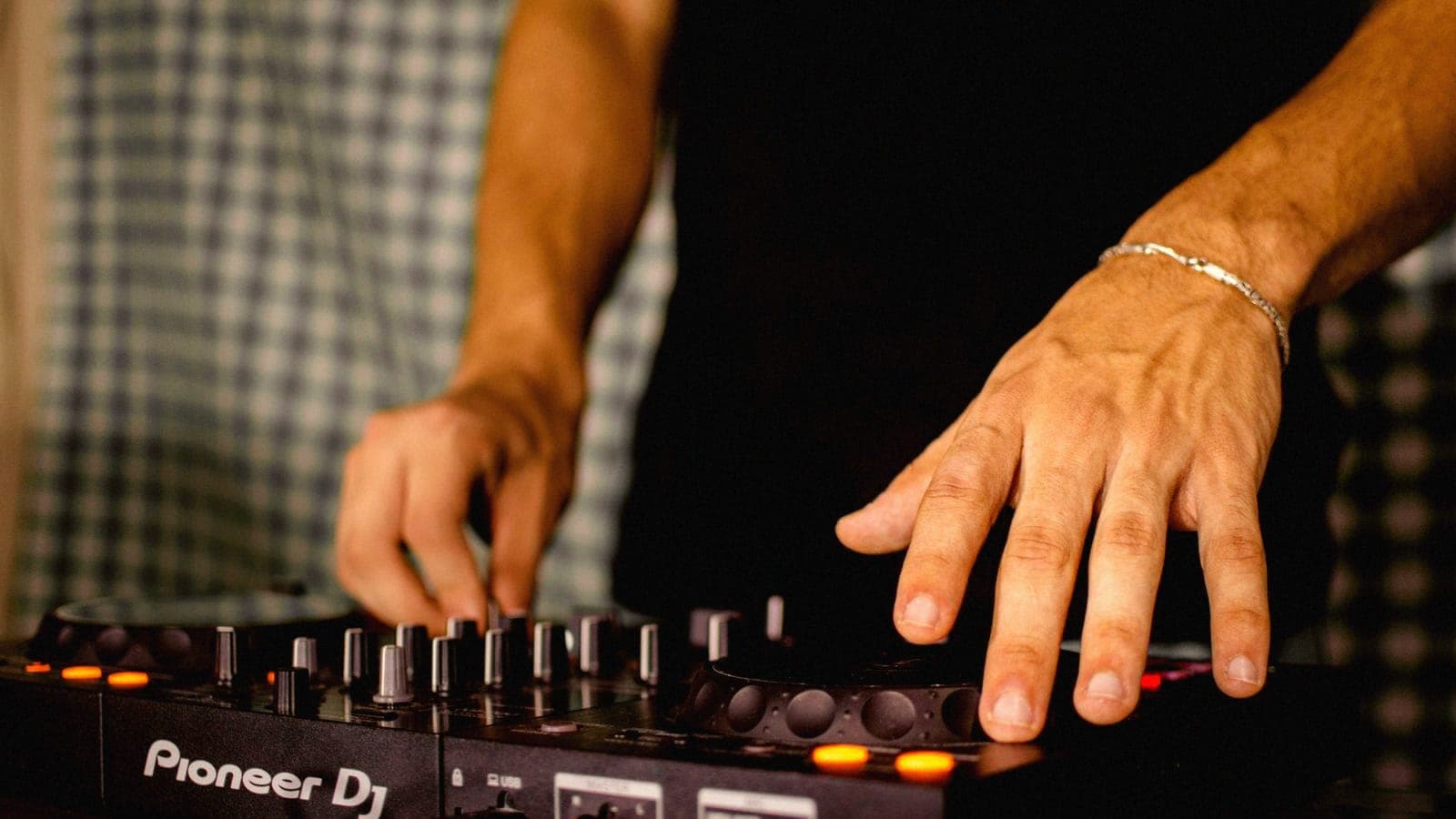
Stems and sync make the busywork frictionless: you can always be tweaking, chopping, layering, because the software will hold the beat for you. That is exactly why restraint has become the tell. Anyone can do more. Knowing a record is already working, and having the nerve to leave it, is the part the software cannot do for you.
What do you lose when nothing is allowed to breathe?
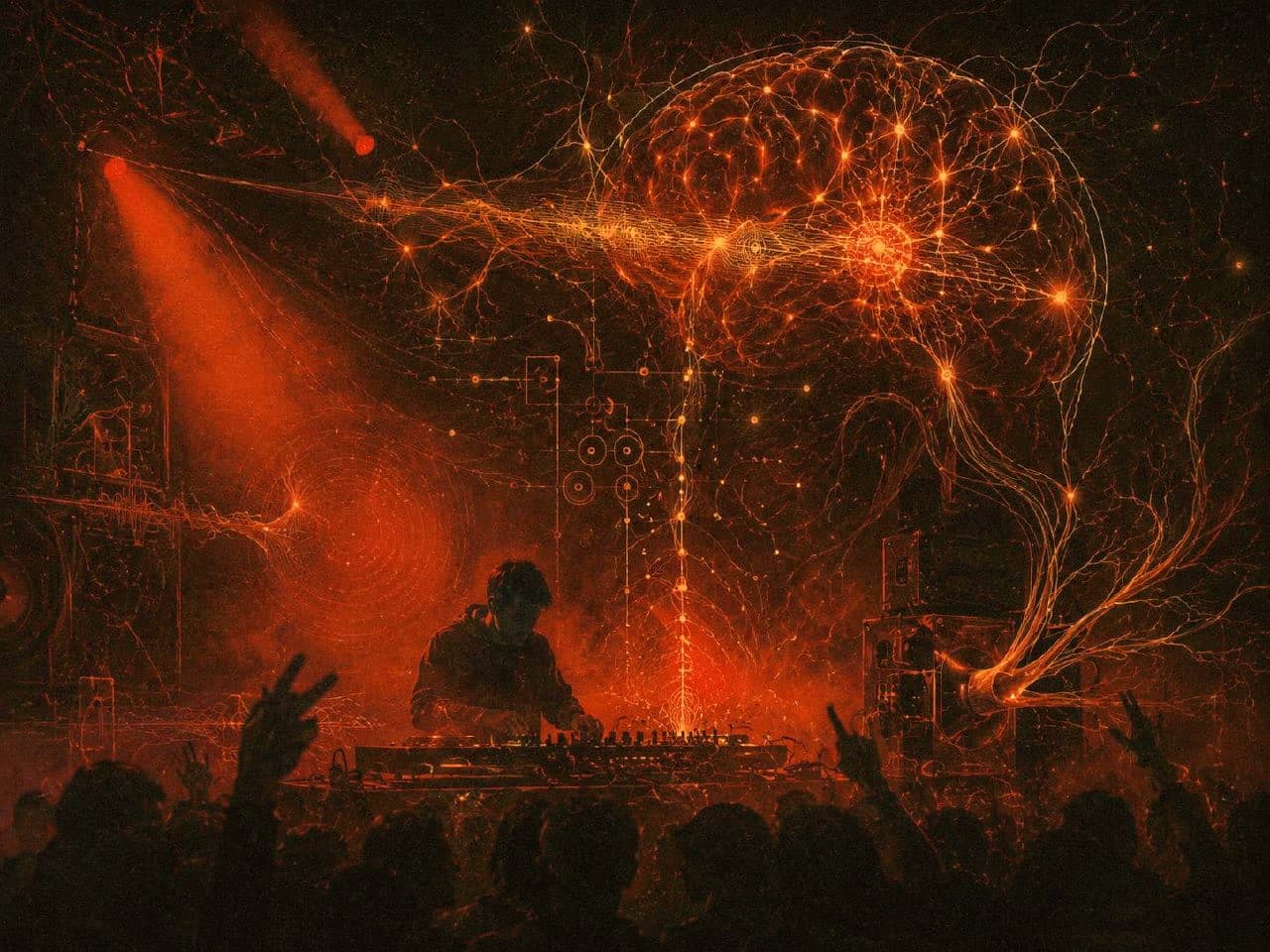
The trance. A track like Len Faki's Kraft und Licht, built from recordings Emika made inside Berghain itself, its light rigs and cooling rooms, is not designed to be a fifteen-second moment. It is designed to unfold, to take a room somewhere over minutes, and it only works if you let it. Cut it early for a cleaner clip and you trade the whole point of the record for a highlight of yourself.
That is the choice under all of this. You can play for the floor in front of you or for the timeline that will see the clip tomorrow, and the two want opposite things. The floor wants to be taken somewhere. The timeline wants a move. Letting one track play is a bet that the room matters more than the repost, and it is getting harder to make. It is also still the whole job.