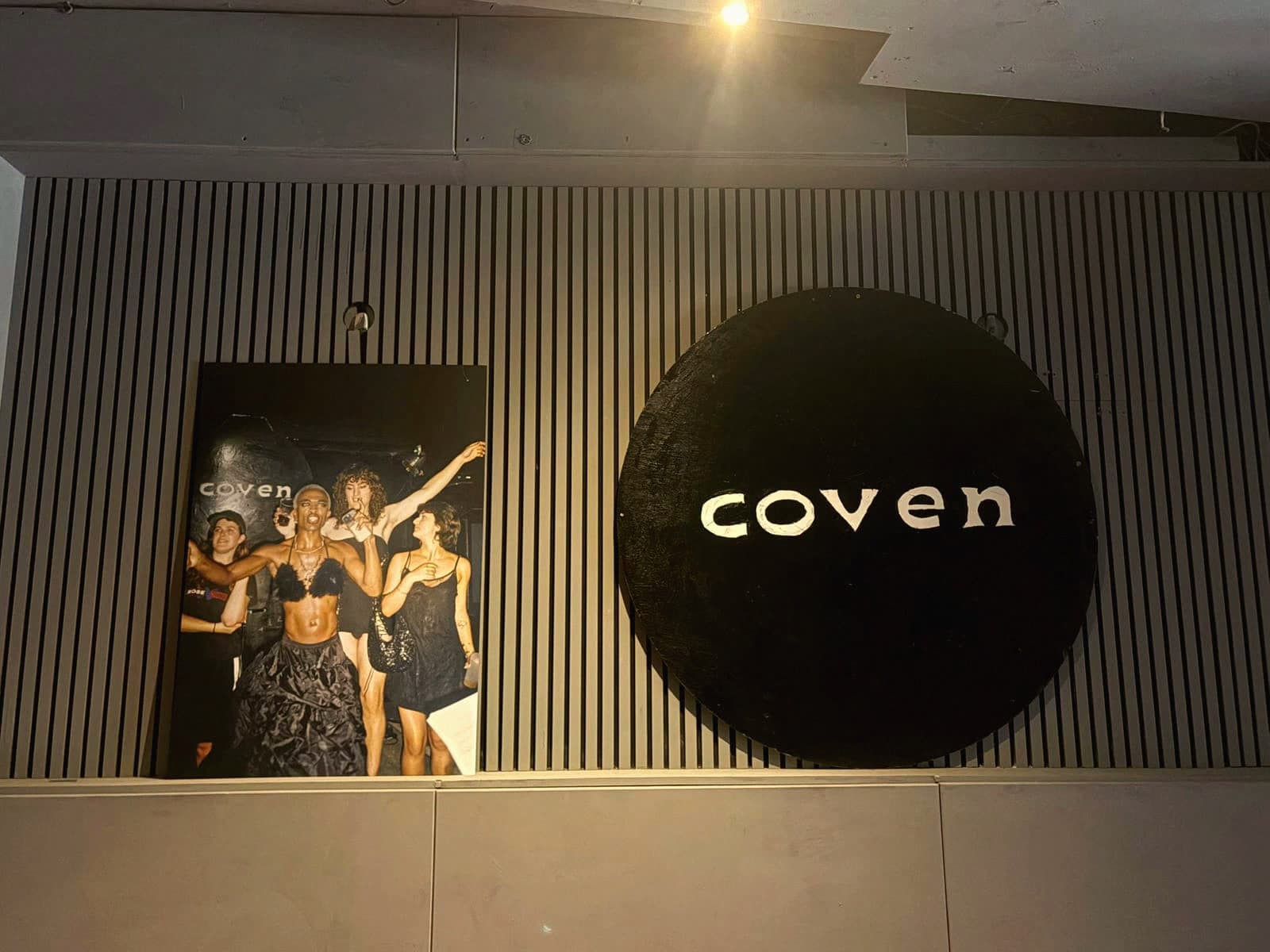
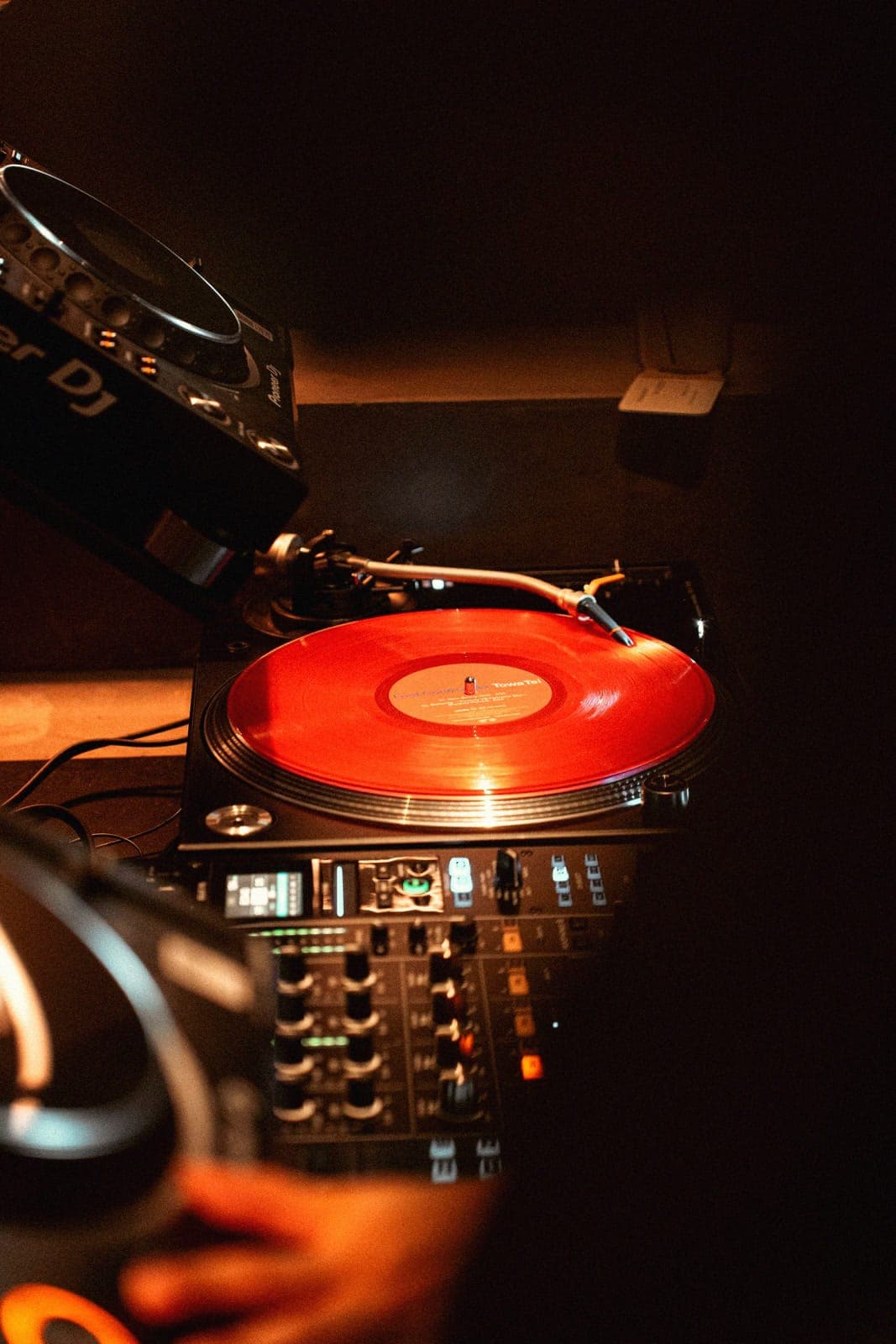
Look at what London's newest clubs are actually selling and it isn't a lineup. Time Out's August roundup of the city's best new nightclubs put three venues on the list, Coven, Palais and Club Cheek, and not one of them is being pitched around a headliner. They're being pitched around a room.
What do Coven, Palais and Club Cheek actually have in common?
On paper they couldn't be more different. Coven is a queer occult cabaret-and-techno club that took over Soho's former G-A-Y space on Old Compton Street in June 2026, glossy black walls, blood red lighting, a tarot reader working the loos, and by day it flips into a sober cafe and co-working space. Club Cheek is a DIY room under Victorian railway arches in Brixton that opened in September 2025 around a custom-built four-way sound system, hosting independent house, electro, ambient and techno nights. Palais is the most ambitious of the three: a revival of the historic Peckham Palais building, a 500-capacity room built around a Funktion-One sound system, with a music policy Time Out describes as "serious and sophisticated electronic music of all stripes."
What ties them together is what's missing from all three pitches: a marquee name up top. Each club is selling an identity and an acoustic experience first, and letting the booking follow from that.
Why bet on sound systems instead of star DJs?
A big-name headliner is a one-night draw and an expensive one, agency fees have been climbing for years across the underground circuit. A room built around genuinely good sound and a clear identity is a standing asset: it draws people back every week regardless of who's behind the decks, and it's much harder for a rival venue three postcodes over to copy. That's the calculation behind Palais investing in a proper Funktion-One rig for a room that used to be a department store, and behind Club Cheek building its own bespoke system rather than renting a generic house PA for a railway arch. Sound quality and a coherent concept are becoming the actual moat in London nightlife, not the poster.
What's different about each one?
Coven is playing the identity card hardest: its occult branding and daytime cafe life make it a destination even on nights nobody famous is playing. Club Cheek is playing the engineering card, a genuinely custom-built system in a raw industrial shell, aimed squarely at underground house and techno heads who care what a room sounds like. Palais is playing scale and history, reviving a building with a real nightlife past and pairing it with one of the most respected sound-system brands in the business. Three different bets, same underlying read: London's underground doesn't need another big name on the flyer, it needs somewhere worth going back to.
Programming pitched as "serious and sophisticated electronic music of all stripes" is a bet that the room itself is the draw, not who's on after midnight.