What does "Love Is Stronger" actually show?
"Love Is Stronger: From Loveparade to Rave The Planet" streams free on ARD Mediathek from July 31, 2026, then airs on rbb television on August 12 at 22:15 CET. Directed by Britta Mischer for Beetz Brothers and 25films, the 90-minute documentary is co-produced by ARD Kultur, WDR, rbb and SWR and pulls from previously unseen archive footage shot across the parade's history. It follows Dr. Motte (Matthias Roeingh) and his partner Ellen Dosch-Roeingh over the 2022 to 2025 period, with appearances from Loveparade co-founder Danielle de Picciotto, Westbam and designer Heike Mühlhaus. Kulturigo.de reports that director Mischer built the film around how techno has spent decades bridging boundaries and connecting people, a claim the archival footage is meant to prove rather than assert.
Why did the original Loveparade actually die?
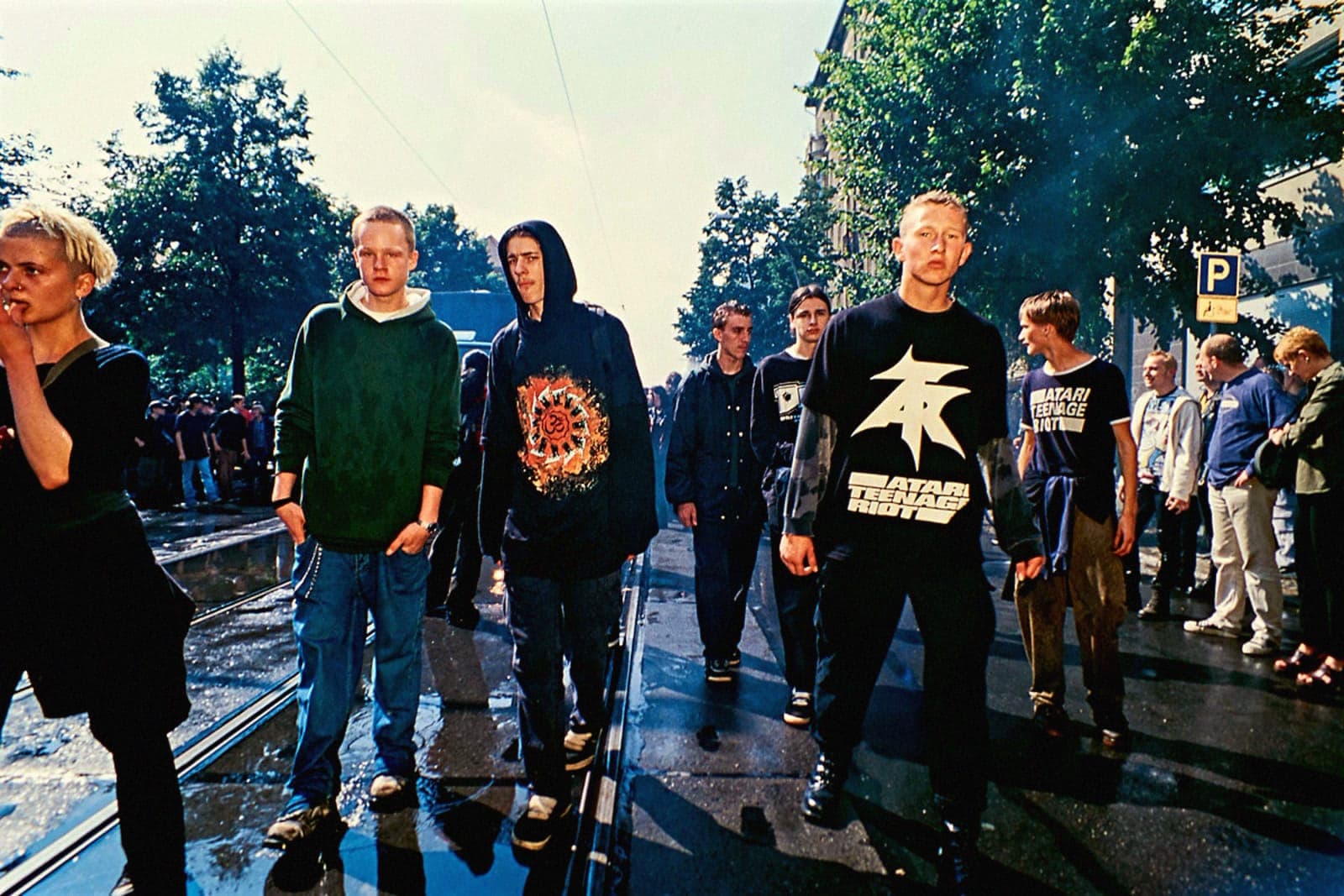
Dr. Motte registered the first Loveparade on July 1, 1989, as a political demonstration under the slogan "Peace, Joy, Pancakes," a few hundred people dancing behind a single sound truck down the Ku'damm. Within a decade it had become the biggest street party in the world, over a million ravers a year, and with the scale came sponsorship deals, city fees and a steady drain of the protest identity that started it. Berlin stopped hosting it after 2006, it moved to the Ruhr region, and at the 2010 edition in Duisburg a crush in an underpass killed 21 people and injured more than 650. The event was cancelled for good afterward. That collapse, commercial bloat followed by fatal crowd failure, is the film's real subject, not just nostalgia for the old Ku'damm parades.
What is Rave The Planet actually fighting for now?
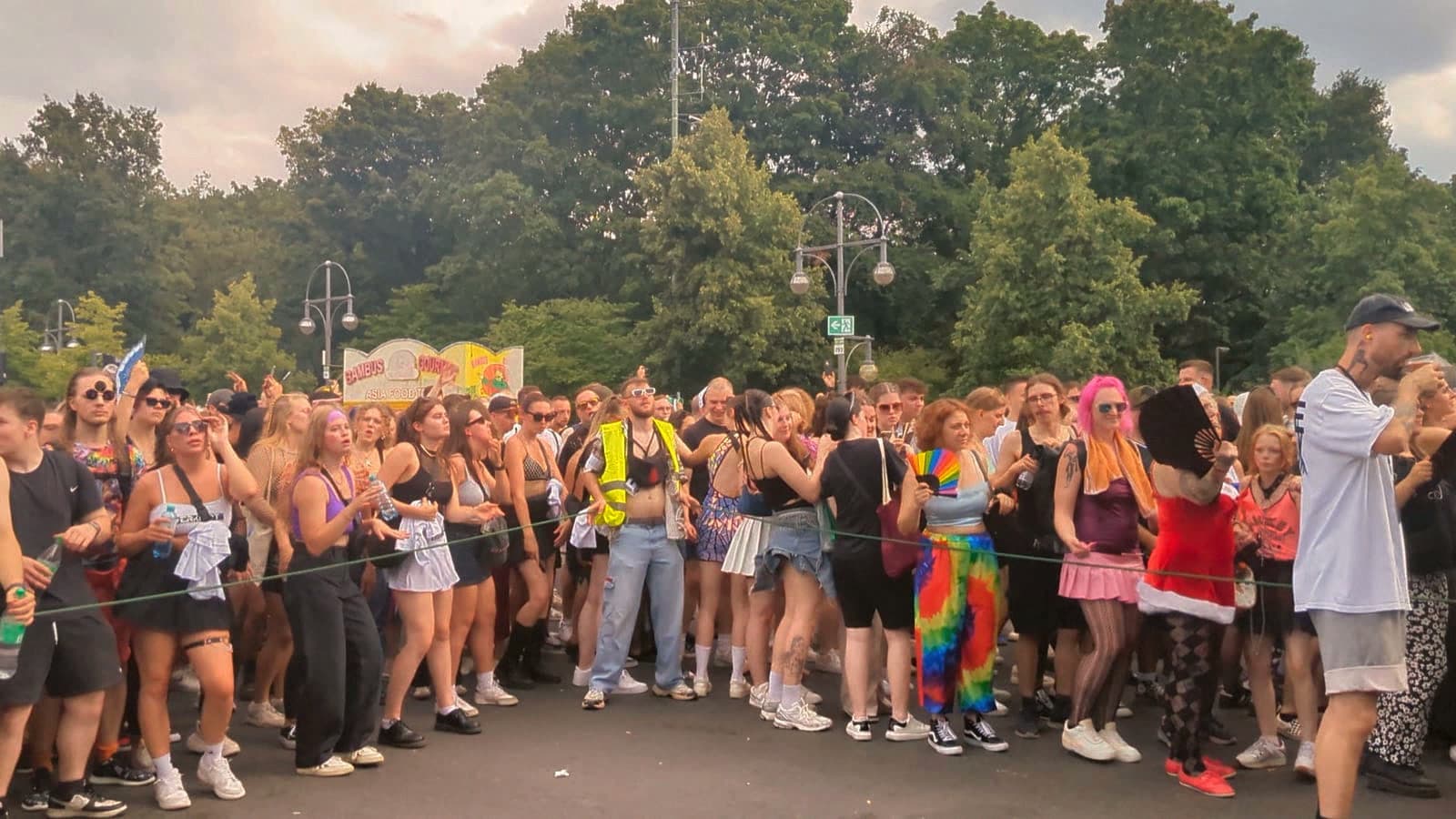
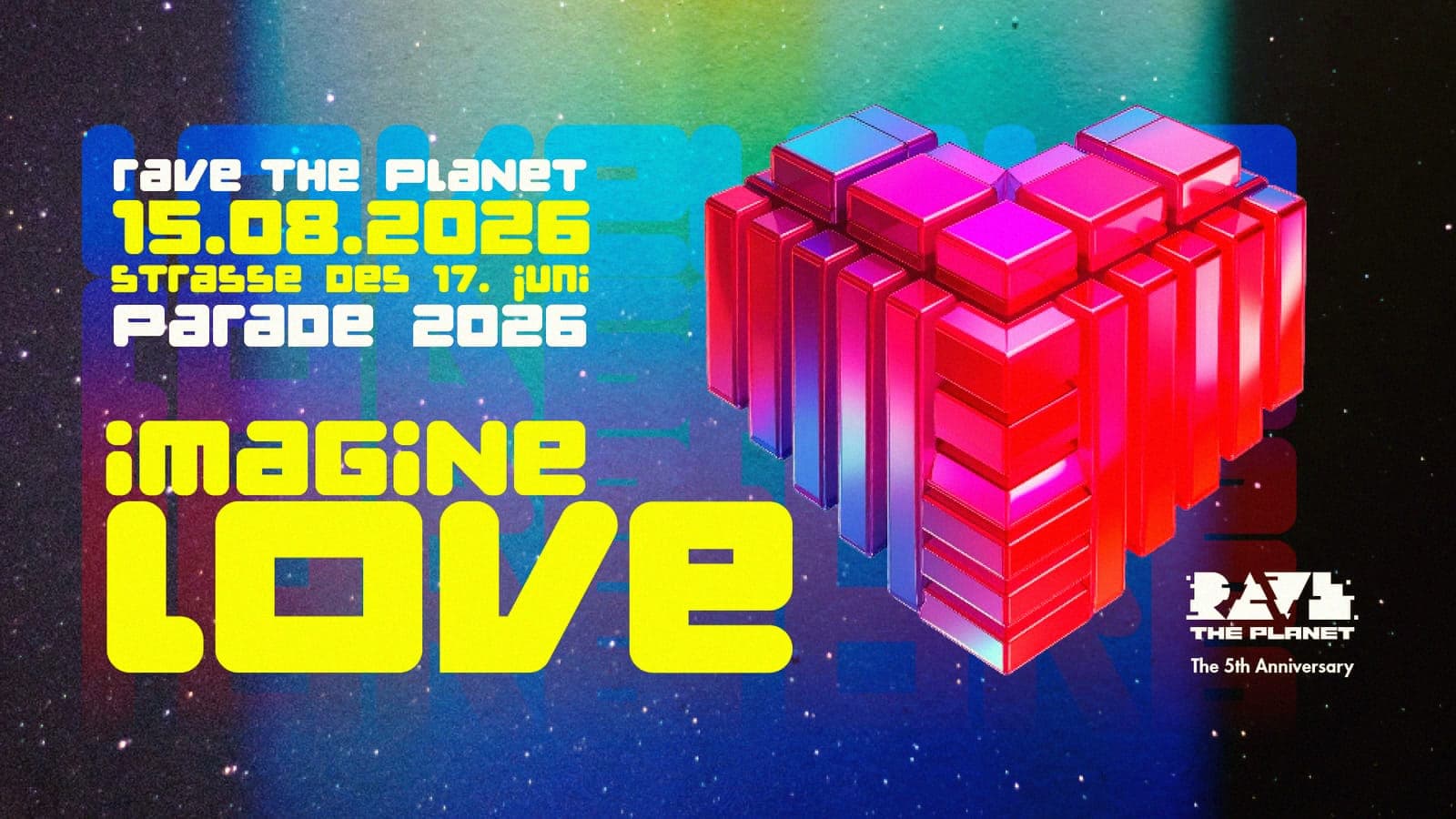
Dr. Motte and Ellen Dosch-Roeingh founded the nonprofit Rave The Planet gGmbH in 2019 to revive the parade's original politics rather than its scale, staging their first post-pandemic edition in Berlin in 2022 under the motto "Together Again." The bigger fight has been legal: getting German authorities to treat techno clubs as cultural infrastructure worth protecting, not just nightlife to be zoned out. In March 2024 that campaign scored its first real win when the German Commission for UNESCO added Berlin's techno and club culture to the country's national Intangible Cultural Heritage register, a formal domestic recognition that can feed into a future international UNESCO nomination. The 2026 Rave The Planet Parade returns to Berlin's Straße des 17. Juni, between the Brandenburg Gate and Großer Stern, on August 15 under the motto "IMAGINE LOVE," with Dr. Motte and Tommahawk's anthem of the same name released July 10, and an official afterparty at Columbiahalle.