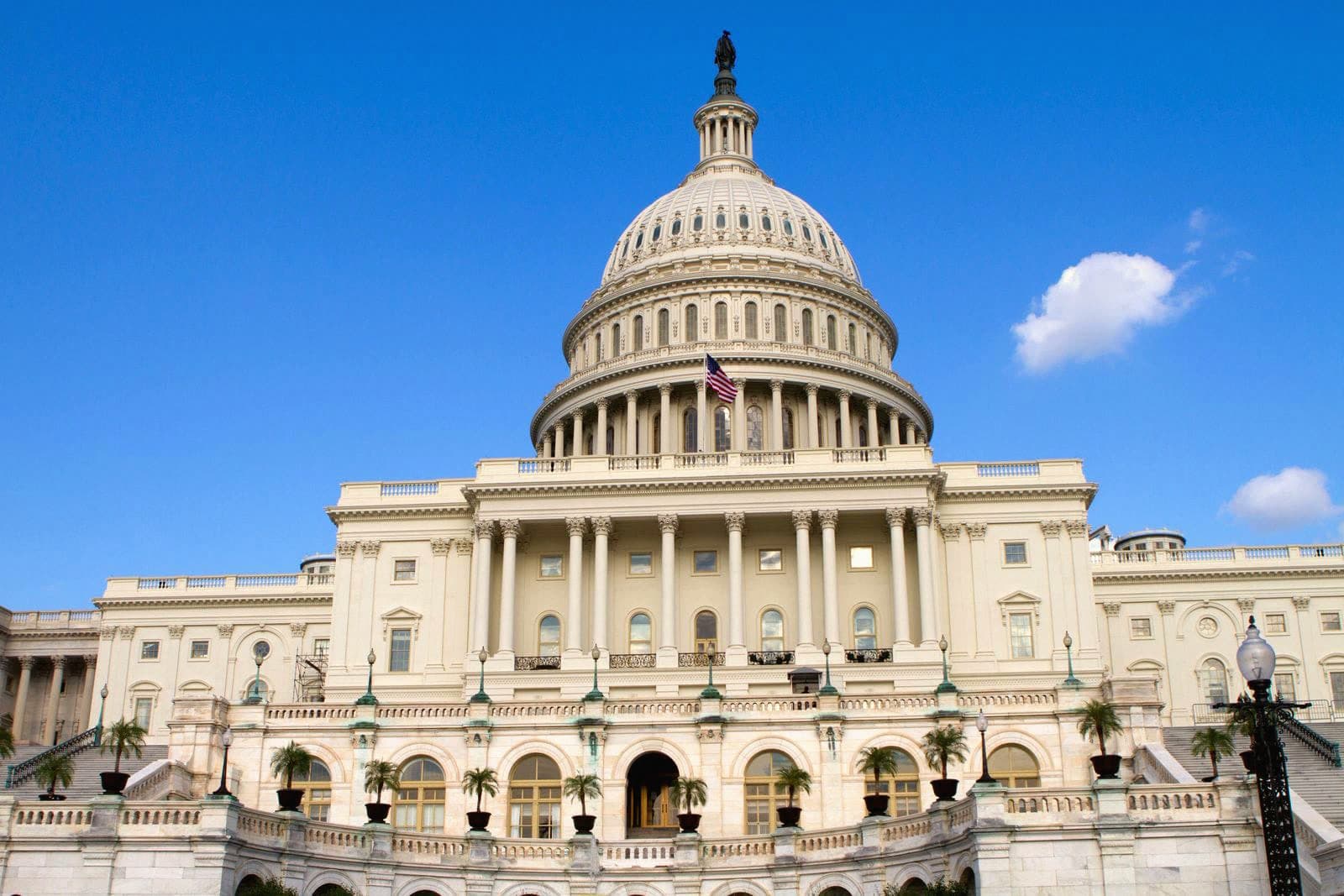
Anyone who has sat refreshing a festival on-sale page at 10am only to watch it sell out to bots in ninety seconds has a stake in this. On September 16, 2026, the US House Energy and Commerce Committee voted 36-0 to advance the MAIN Event Ticketing Act, sending it to the full House floor. A Senate companion, S.196, is still waiting on a full vote.
The bill, formally the Mitigating Automated Internet Networks for Event Ticketing Act, was introduced back in April 2025 by Rep. Diana Harshbarger (R-TN) and Rep. Troy Carter (D-LA). It doesn't create new law from scratch, it sharpens the Better Online Ticket Sales Act of 2016, better known as the BOTS Act, the federal law that already bans bot software from buying up tickets beyond posted limits.
What would actually change for buyers?
Under the amended bill, ticket sellers have to maintain real access controls and security measures that enforce whatever purchase limit they post, not just claim one exists. Apps built to automate bot purchases that dodge those limits become explicitly prohibited. If a seller detects circumvention, they now have to report it to the FTC within 30 days and take reasonable steps to fix it. The penalties get real teeth too: a minimum civil fine of $10,000 per day per violation, with an additional minimum penalty stacked on for intentional violations.
For anyone who has watched a club night or a festival's general-admission tier vanish into a resale site minutes after going live, that's the mechanism the bill is aiming at. Committee chairman Brett Guthrie framed the vote as making sure "every American can fully and safely enjoy the benefits of this era of innovation," which is a fairly generic way of describing a very specific, very familiar scene problem.
Why is Live Nation cheering for a law aimed at bots?
Here's the part that should make any promoter raise an eyebrow. Live Nation has publicly backed the MAIN Event Ticketing Act, at the same time it and Ticketmaster are named defendants in an active FTC lawsuit filed under the existing BOTS Act, which alleges Ticketmaster let brokers circumvent its own purchase limits and profited from the resulting resales. Supporting a bill that toughens the very law you're being sued under is either genuine reform or smart positioning ahead of a court date, and probably both.
The Coalition for Ticket Fairness isn't buying it uncritically. Their line was blunt: Congress should "stop illegal bot activity and fraud, but don't hand more power to the monopoly that already controls most of the market." That's the tension worth sitting with. Bot enforcement sounds like an unambiguous win for anyone trying to get into a warehouse party or a festival, but if the enforcement apparatus routes more control toward the platform that already dominates ticketing, the independent and boutique ticketing services more common on the club circuit could end up further squeezed, not helped.
Stop illegal bot activity and fraud, but don't hand more power to the monopoly that already controls most of the market.
What happens next?
The bill still needs a full House floor vote, which hasn't been scheduled, and the Senate still has to move S.196 off the floor calendar. Nothing changes for anyone buying a ticket tomorrow. But a unanimous 36-0 committee vote, on a bipartisan bill, is about as strong a signal as Washington sends that this is headed toward becoming law in some form.