Who actually put MDMA on the dancefloor?
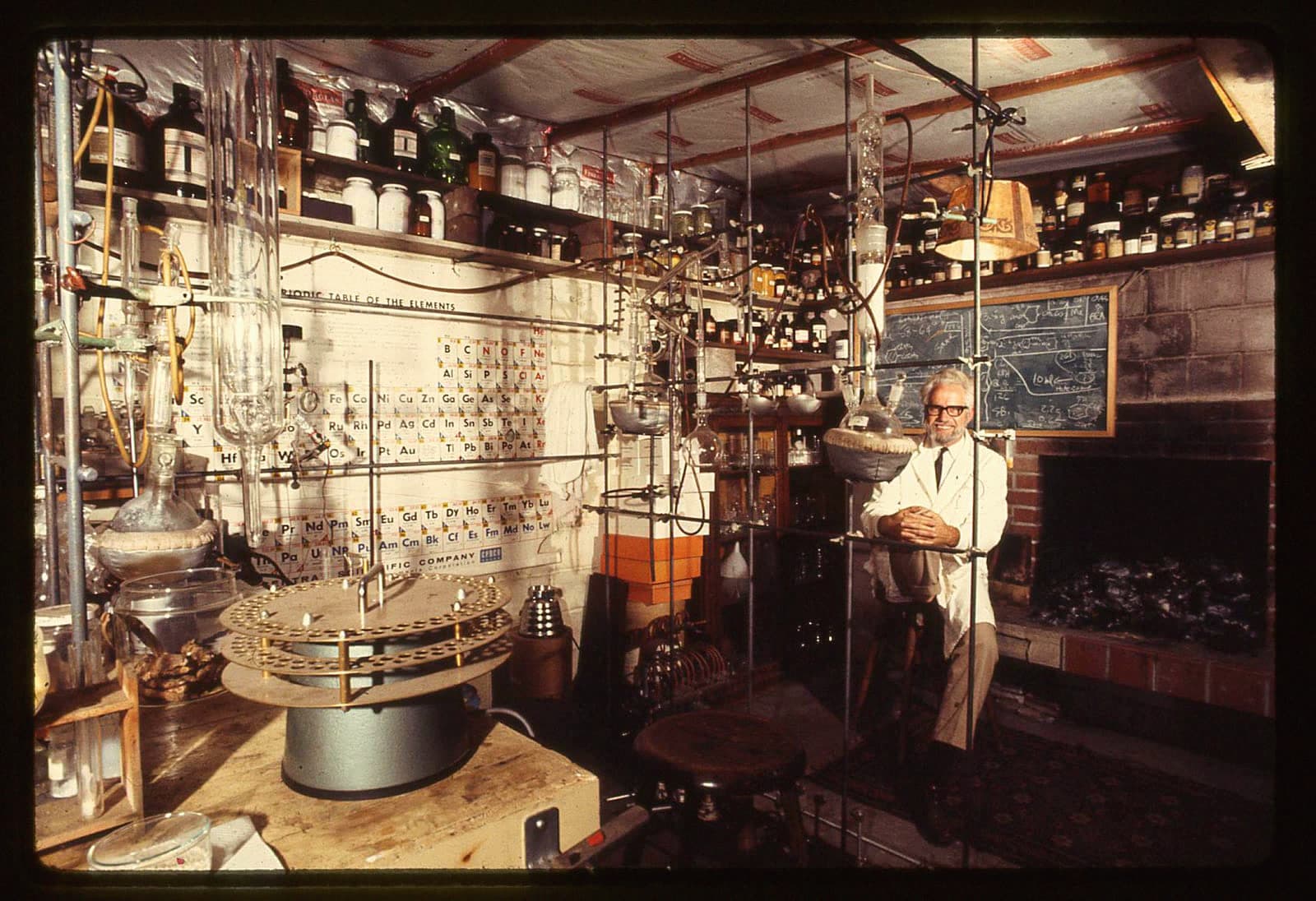
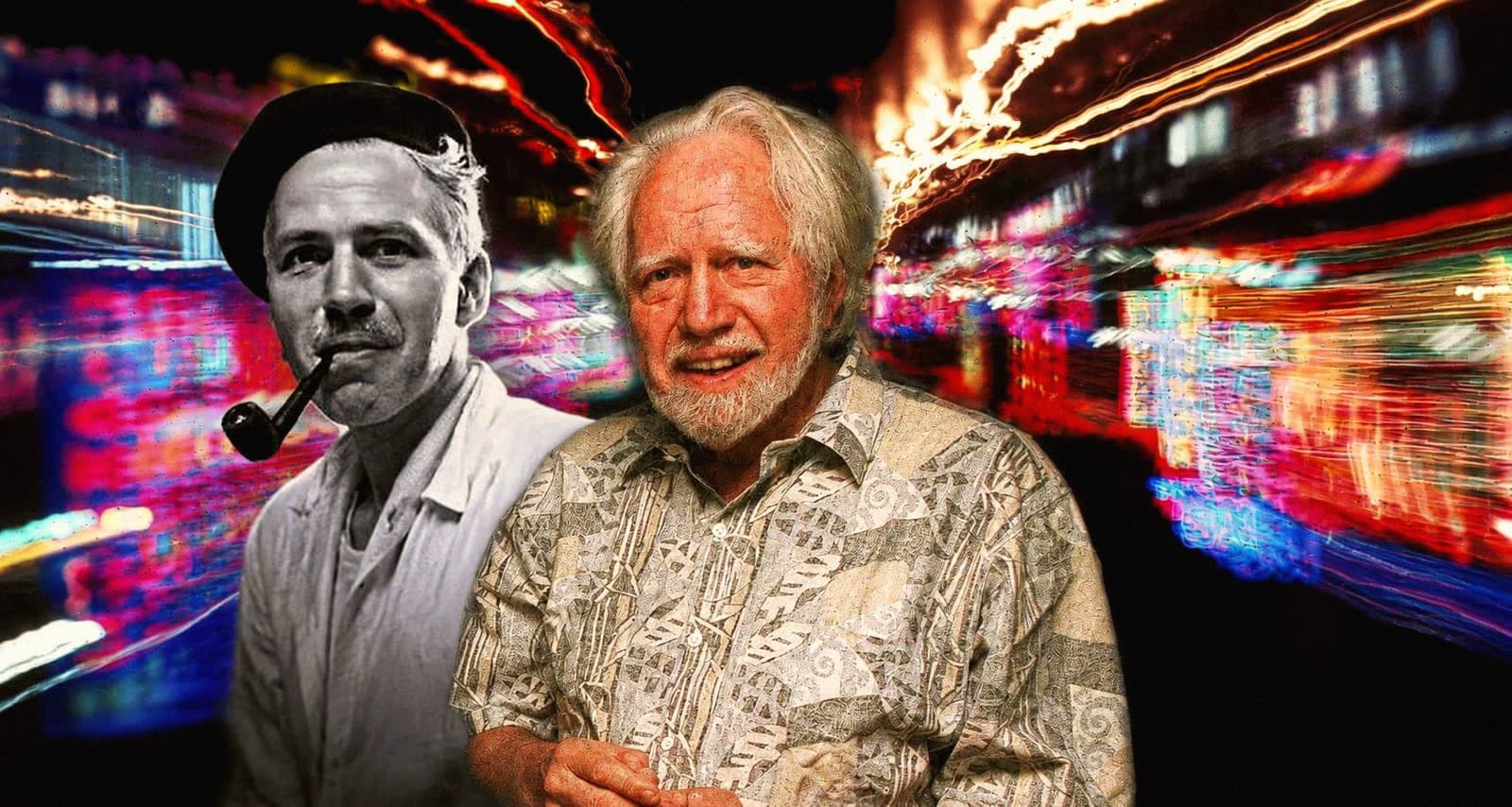
Alexander Shulgin did not discover MDMA. Merck chemists filed a patent on the compound in 1912, then set it aside. What Shulgin did was far more consequential: he re-synthesized it in 1976 at his private laboratory on a farm in Lafayette, California, a small backyard setup that, in retrospect, became the chemical birthplace of rave culture.
He tested it on himself with the same methodical precision he applied to every compound he synthesized over his career. His notes in PiHKAL document the progression: doses that produced no noticeable effect, then the dose at which he first logged a clear positive response, "an easily controllable altered state of consciousness with emotional and sensual overtones." He then introduced MDMA to Leo Zeff, a Jungian psychotherapist in Oakland, who spent the following years quietly training hundreds of therapists in its therapeutic use.
None of this touched a dancefloor yet. That happened through a separate current: a Dallas entrepreneur named Michael Clegg, who by 1983 was producing MDMA commercially under the brand name "Ecstasy" and distributing it legally through bars and clubs. The name was chosen for marketing reasons. Shulgin, who had by then become known as "the Godfather of Ecstasy", was reportedly unhappy with it. Before it became ecstasy, MDMA was known within the underground therapeutic network as “Adam”.
His influence was indirect but foundational. He rediscovered MDMA's potential, introduced it to the therapeutic world, and helped open the chemical door through which rave culture later walked. MDMA was not the only key he forged: Shulgin synthesized more than 230 psychoactive compounds in his lifetime. Among them, 2C-B, a phenethylamine he described as both psychedelic and empathogenic, gained its own following in the underground. His wider research extended to psilocybin and LSD, placing him at the center of a generation-long effort to map what altered states could offer, long before that question was considered acceptable by mainstream science.
How did it reach the raves?
By 1985, Ecstasy had spread from Texas bars to Ibiza, where it fused with the resident DJ culture that Graham Marsden, Alfredo, and others were developing at Amnesia and Ku. British tourists brought the experience home. The same year the DEA emergency-scheduled MDMA as a Schedule I substance, the Balearic sound was seeding what would become the Second Summer of Love in 1988 and 1989 in the UK. The DEA's scheduling did not slow the diffusion; it accelerated it by taking the drug out of bars and into warehouses.
Just as LSD, marijuana, and Woodstock had united one generation around a shared chemical and cultural experience, ecstasy and rave culture became social glue for millions of people, across cities from Bangkok and Bournemouth to Manchester and Miami. The molecule Shulgin re-synthesized in a California farmhouse crossed every border the DEA tried to draw around it.
Shulgin's connection to club culture was indirect but foundational. The molecule he championed was the molecule that made a generation of people experience music differently. House and techno did not cause MDMA culture; they grew together, each reinforcing what the other offered. Together, they helped create the modern rave.
What did the DEA actually accomplish?
In 1985, a DEA administrative law judge named Francis Young reviewed the clinical evidence and recommended Schedule III status for MDMA, which would have allowed medical use. The DEA overruled its own judge and placed it in Schedule I anyway. Shulgin testified at those hearings.
The result: therapy research stopped for nearly two decades. Underground use continued and expanded. By the 2010s, MAPS had restarted the clinical research Shulgin had helped initiate, and by 2023 Phase 3 trials for MDMA-assisted therapy for PTSD were complete, with results compelling enough to prompt the FDA to review the application.
The DEA scheduled a molecule, watched it become a global industry, and forty years later the science it tried to bury came back through peer-reviewed journals.
What is the legacy?
Shulgin died in 2014. He published two books with his wife Ann that became underground classics: PiHKAL in 1991 and TiHKAL (Tryptamines I Have Known and Loved) in 1997. PiHKAL contains synthesis routes for 179 phenethylamines, with detailed self-experiment notes, including his documentation of 2C-B. The DEA raided his lab in 1994 and revoked his Schedule I researcher licence, supposedly over irregularities in his record-keeping. He was fined $25,000.
His work sits at the foundation of a culture that generates billions of dollars annually across music, tourism, festivals, and pharmaceuticals. None of that accrues to him or his estate; the Shulgin Foundation.