What's actually on the bill this weekend?
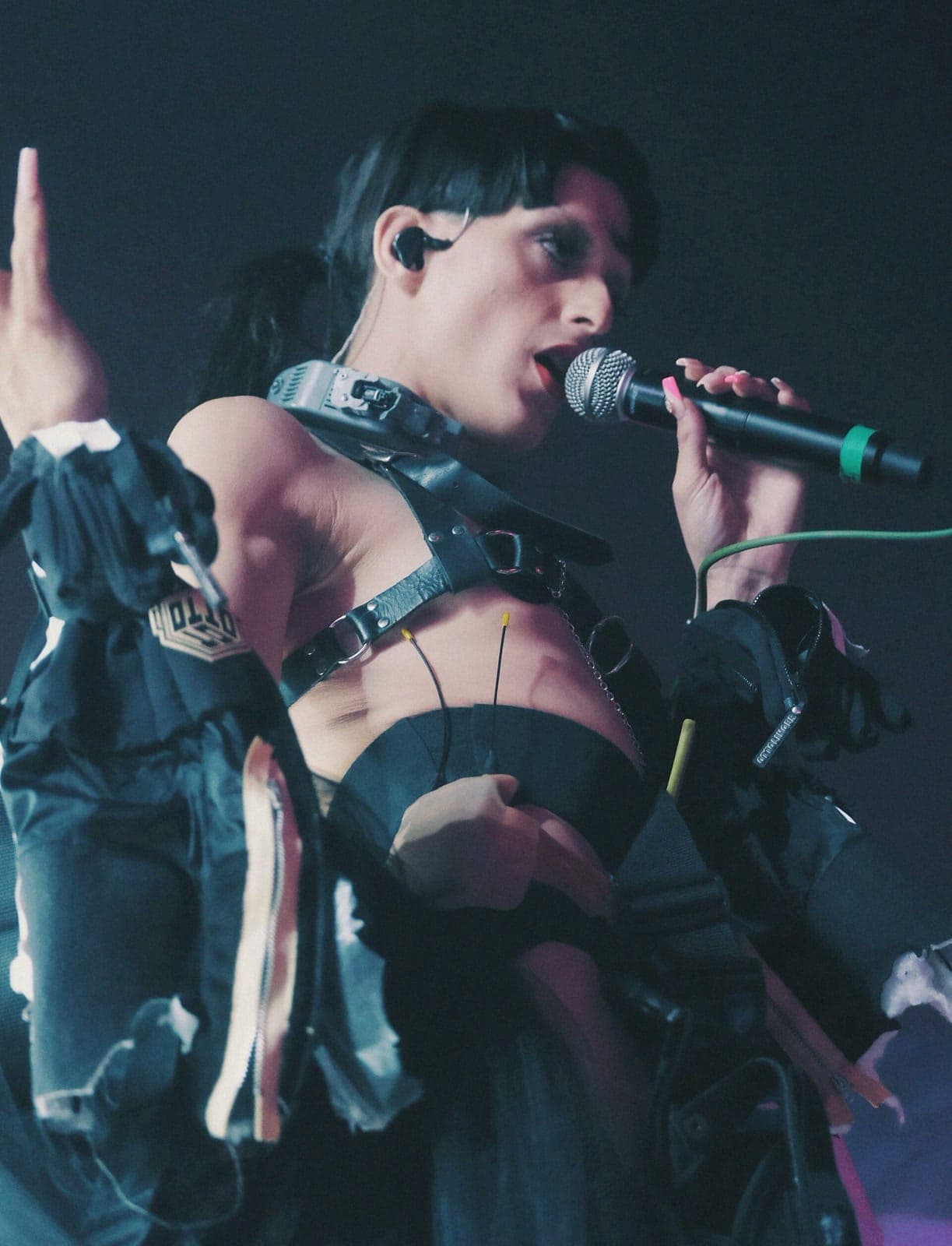
MIRA's 15th edition runs November 6 and 7, 2026, inside Fira Montjuic, the trade-fair halls under Barcelona's Montjuic hill, open both nights from 17:30 to 05:30. Arca plays Friday at 01:15, and Helena Hauff closes the night with a DJ set, visuals by VJ Ayl, from 03:30. Around them: Max Cooper, Nicola Cruz, Machine Girl, Fennesz performing with visual artist Lillevan, Martin Rev of Suicide, Grand River, Anthony Rother presenting his DATAPUNK hybrid show, plus Debit, Nosaj Thing, ML Buch, Shygirl, Tortoise and underscores, across two days of installations, immersive screenings and VR. Two-day passes run around 61 euros per person plus fees.
Why has MIRA lasted 15 years when so many AV festivals fold?
Most "audiovisual" festivals in Europe are either a one-off showcase built around a single sponsor, or a boutique weekend that can't survive a bad booking year. MIRA has run every year since 2011 by refusing to pick a side: it isn't a club festival with a video-art sideshow, and it isn't a gallery event with a DJ booth bolted on. The two halves get equal billing on the same nights, which means the audience is already split between clubbers and gallery-goers before a single act is confirmed, a much bigger pool than either scene draws alone.
That structure also makes MIRA cheap to book relative to its prestige. An artist like Fennesz or Martin Rev, playing to a crowd that came for ideas as much as a beat, doesn't command the fee a pure club promoter would need to fill the same room on a Friday night. Helena Hauff and Arca headlining here, rather than a straight techno lineup, is the clearest sign of where the money and the prestige in European electronic music are actually moving: toward artists who can close a gallery night as convincingly as a warehouse rave.
What makes MIRA different from a straight club lineup?
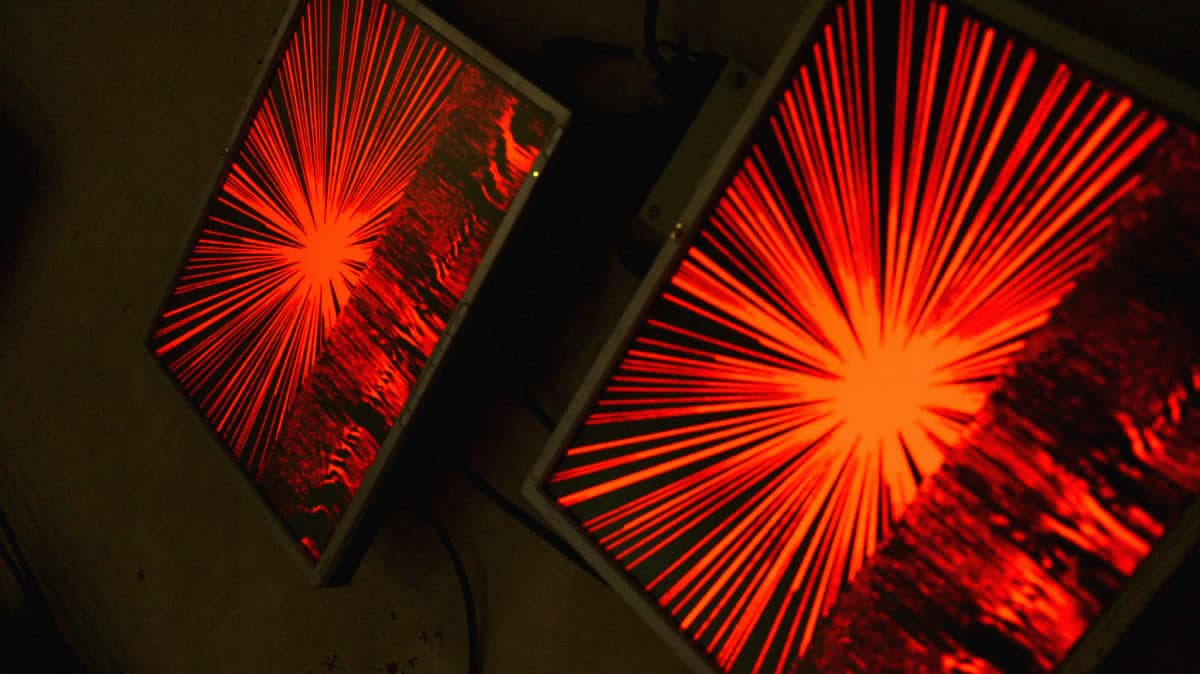
Walk into Fira Montjuic on either night and the DJ booth is one room among several: fulldome screenings, VR pieces and standalone installations run in parallel to the music, inside exhibition halls rather than a nightclub shell. That venue choice does real work. A trade-fair hall doesn't come with a resident crowd or a house-sound-system reputation to protect, so MIRA can book Machine Girl's noise-rock-adjacent chaos next to Nicola Cruz's downtempo Andean house without either act feeling like the odd one out. Barcelona already has Sonar for the bigger, more pop-facing version of digital culture every June; MIRA fills the autumn slot with the harder, weirder end of the same idea.