What did Mixxx actually just do?
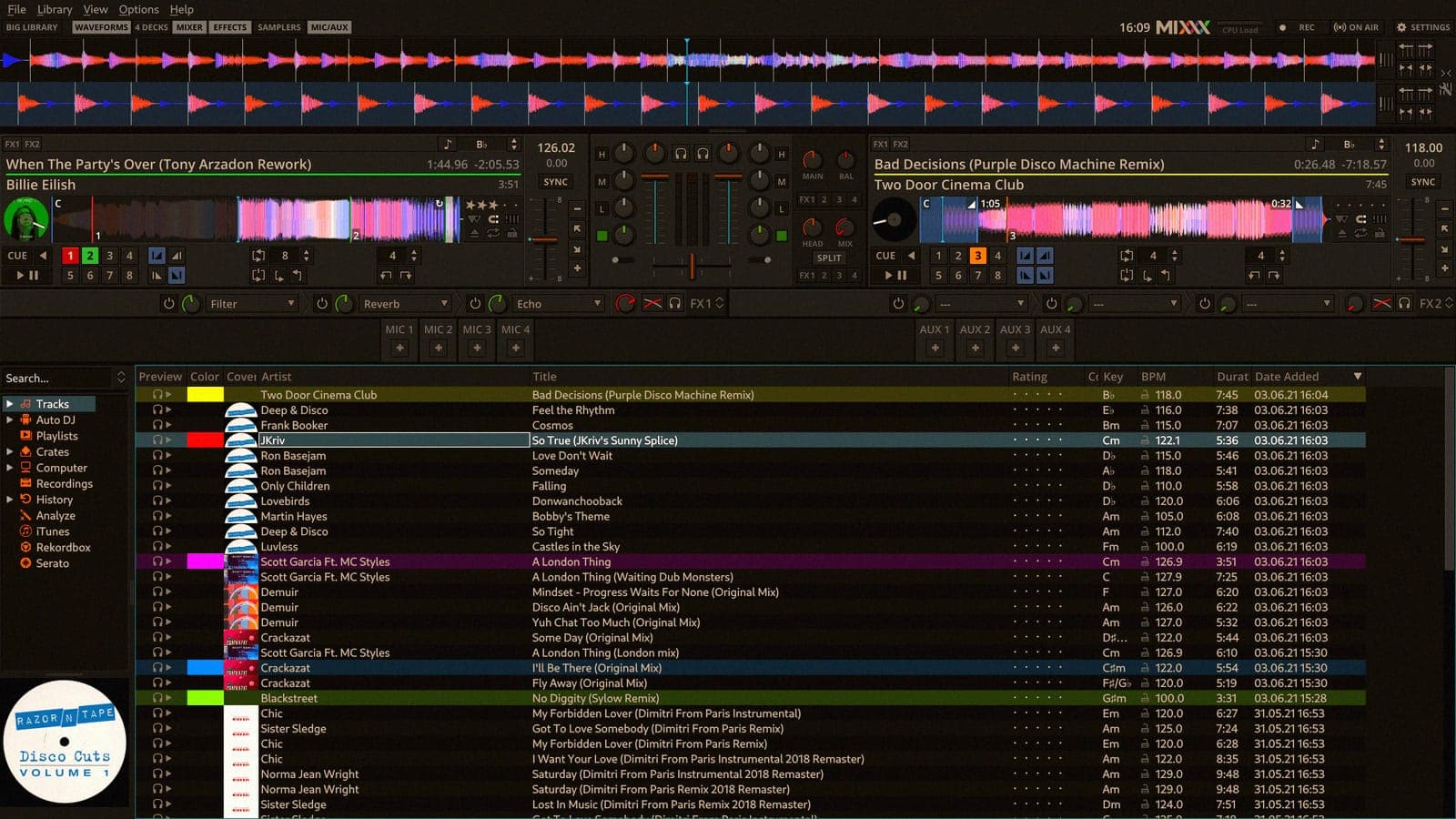
Mixxx, the roughly two-decade-old, GPL-licensed, cross-platform DJ software, is now legally owned by Mixxx e.V., a registered nonprofit association incorporated under German law in 2025 and introduced publicly on July 2, 2026. The e.V. (eingetragener Verein) doesn't touch how the software gets built: patches still land through the same open pull-request process they always have. What changes is who can sign a donation receipt, hold a bank account, or get sued. The board (Owen Williams as chairperson, Jörg Wartenberg as second chairperson, Daniel Schürmann as treasurer, all serving through 2028) can now collect tax-deductible donations directly, apply for the reduced fees nonprofits get on payment processing and hosting, and take on legal and financial responsibility that used to sit, informally and riskily, on individual contributors.
Why does a free program need a corporate structure at all?
Because "free" and "safe from disappearing" are not the same thing. AlphaTheta (formerly Pioneer DJ) and Native Instruments keep pulling rekordbox and Traktor deeper into subscription tiers and cloud-synced libraries that only work with their own hardware. Denon's Engine DJ ecosystem runs the same play. None of that software can be forked, audited, or kept alive by its users if the company changes strategy, gets acquired, or discontinues a product line. Mixxx has spent 20-plus years as the counter-example: entirely volunteer-built, free to download, and it runs on Linux as easily as Windows or Mac. The e.V. is that counter-example getting the paperwork to match, an entity that can't be bought out because there's no equity to buy.
This is also why the same team spent the spring campaigning for a different, adjacent fight: on April 21, 2026, core developer Daniel Schürmann pushed the Mixxx community behind a German petition to have open-source contribution formally recognized as Ehrenamt, the legal status Germany already grants other volunteer work. It's a separate campaign, not part of the e.V. filing, but the two land the same argument twice: the people writing this software for free deserve the legal standing that unpaid labor is supposed to carry.
"Music, creativity, and technology should be accessible to everyone."
Why does reverse-engineering a jog wheel screen matter to a working DJ?
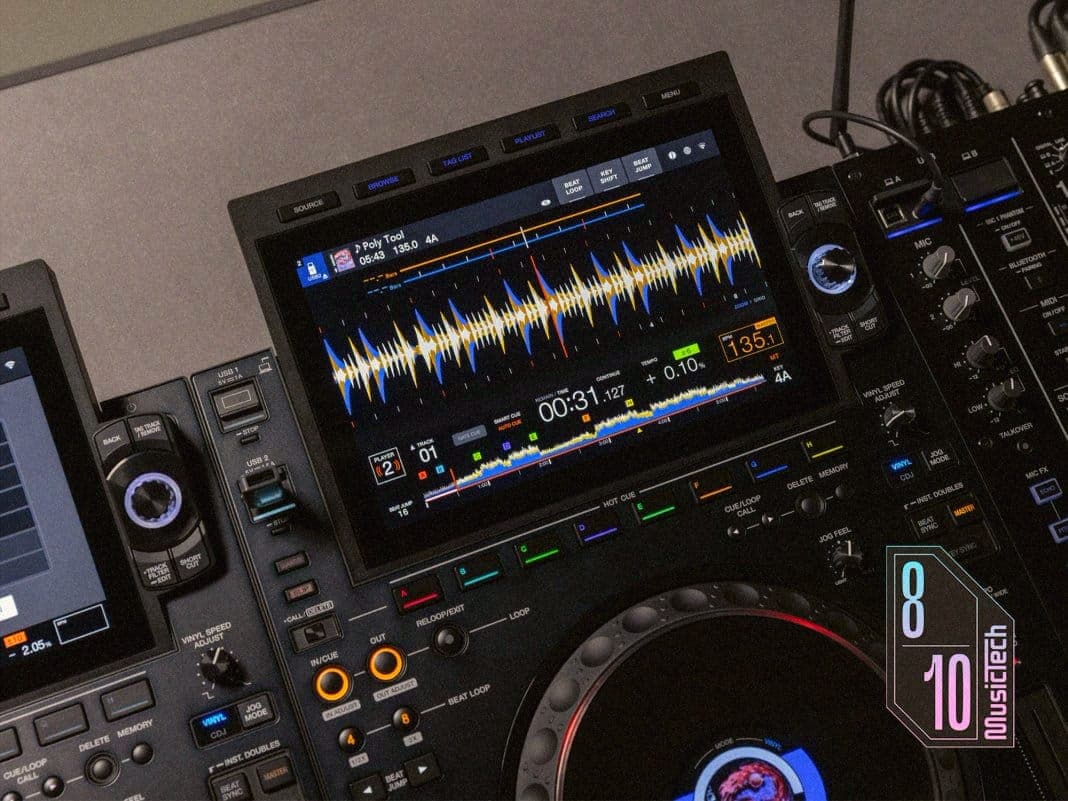
Because most of the DJ hardware in clubs and bedrooms today is built to lock you to one vendor's software. AlphaTheta, Denon and Native Instruments don't publish the protocols their controllers use to talk to a laptop, so official support for anything outside their own apps simply doesn't exist. Mixxx's contributors get around that the only way available to them: sniffing USB and MIDI/HID traffic with tools like Wireshark and Mixxx's own --controllerDebug flag, then hand-building the mapping. That's how jog-wheel LCD displays on controllers like the Numark Mixtrack Platinum already show spinner position, BPM and keylock status inside Mixxx, and it's the same grind now underway on newer screens, including the Traktor Kontrol S4 MK3's displays. For a DJ running Linux, running old hardware the manufacturer stopped updating, or just refusing to pay a monthly fee to use gear they already own, this is the only path to full functionality.
What's Mixxx building next?
Alongside the incorporation, Mixxx was accepted in February 2026 as a Google Summer of Code 2026 mentoring organization, pulling in new contributors to work on the codebase; one confirmed 2026 project is rebuilding the software's LateNight theme in QML. None of it depends on a funding round or an app-store cut. It depends on the same thing it always has: people who show up and write code, now with a nonprofit standing behind them instead of just goodwill.