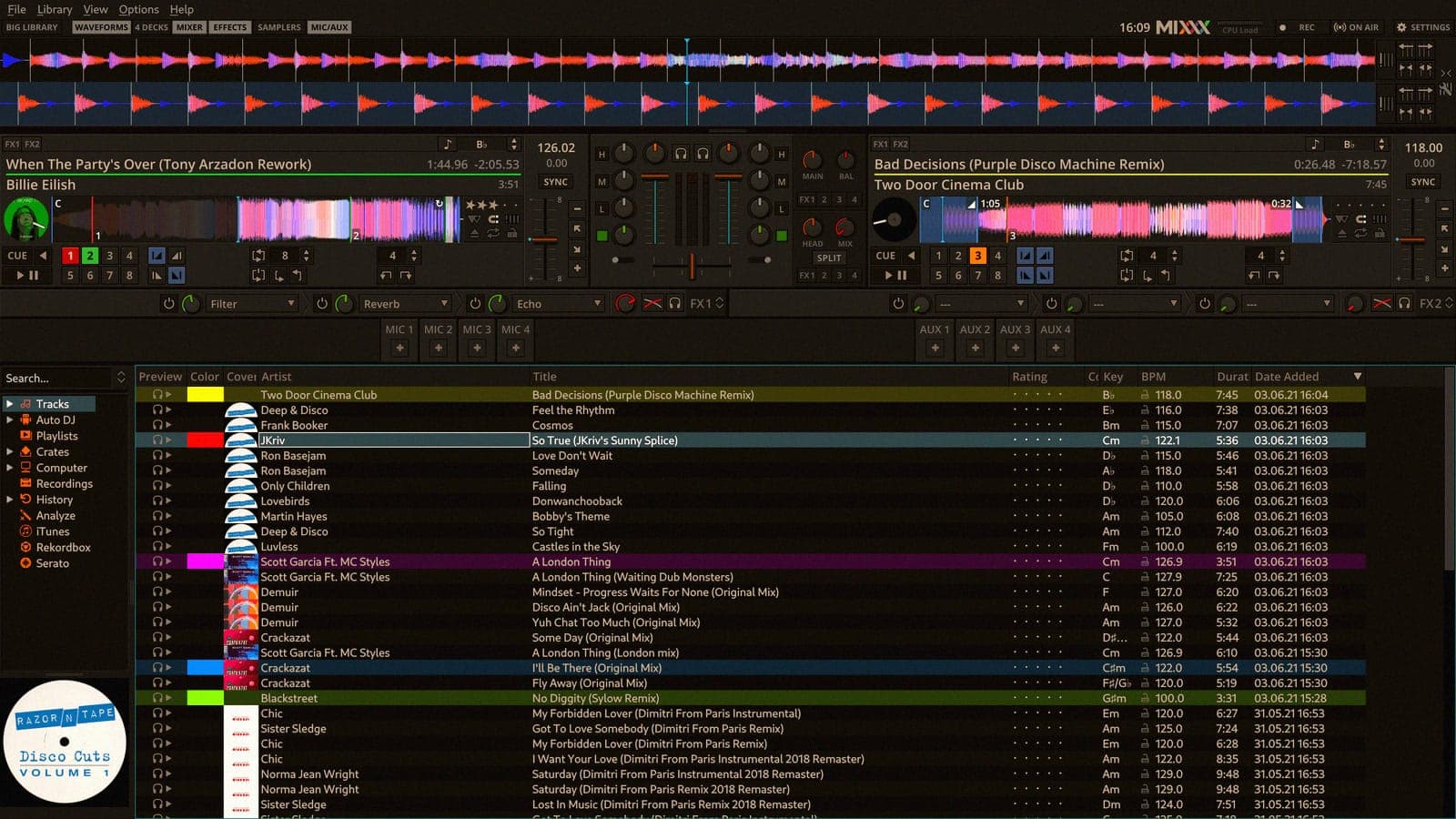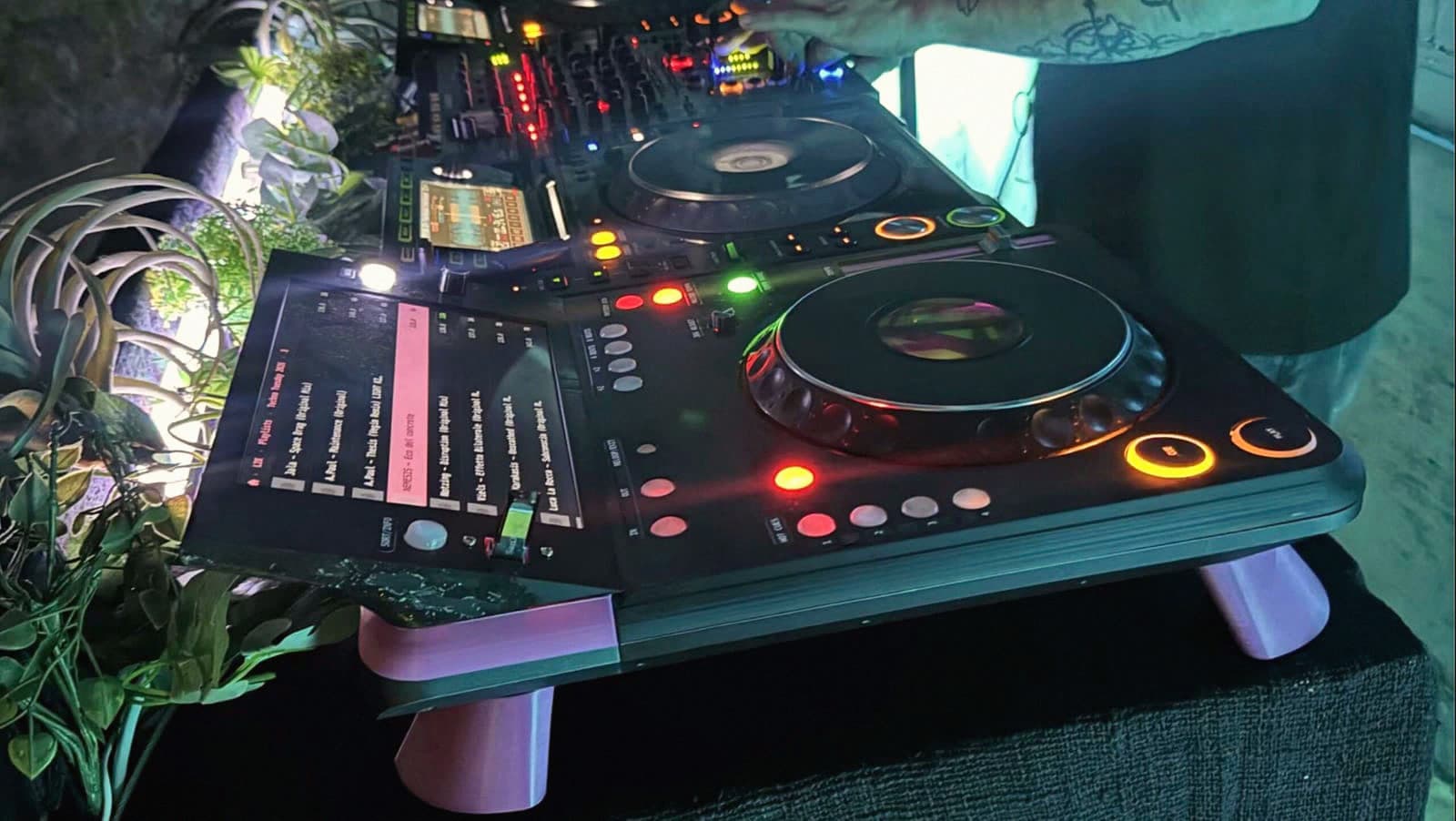
Pioneer's rekordbox, Serato, Engine DJ: they all want your library living inside their ecosystem, on their hardware, under their terms. Mixxx, the volunteer-built open-source DJ software, just published a plan to make that trade-off unnecessary even for a DJ running a full club rig off a board the size of a credit card.
What is "Mixxx on bare metal"?
The project's 2 November announcement details an effort to run Mixxx directly on Raspberry Pi-class single-board computers, embedded ARM hardware that has gotten cheap and plentiful since the Pi first shipped, without a laptop sitting behind the decks at all. The hard part of that is timing: DJ software lives or dies on audio latency, the gap between a fader move and the sound actually changing. Mixxx's developers say they're "tweaking real-time kernels to squeeze microsecond audio latency out of low-power CPUs," the kind of tuning usually reserved for dedicated hardware samplers and mixers, not a $35 to $80 single-board computer running Linux.
That matters because it is the one thing proprietary, closed DJ gear has always held over open alternatives: guaranteed low-latency performance, baked into hardware nobody outside the manufacturer can inspect or modify. If Mixxx gets there on commodity ARM boards, the performance argument for staying locked into a single vendor's box gets a lot weaker.
Why does the Behringer ANIMA connection matter?
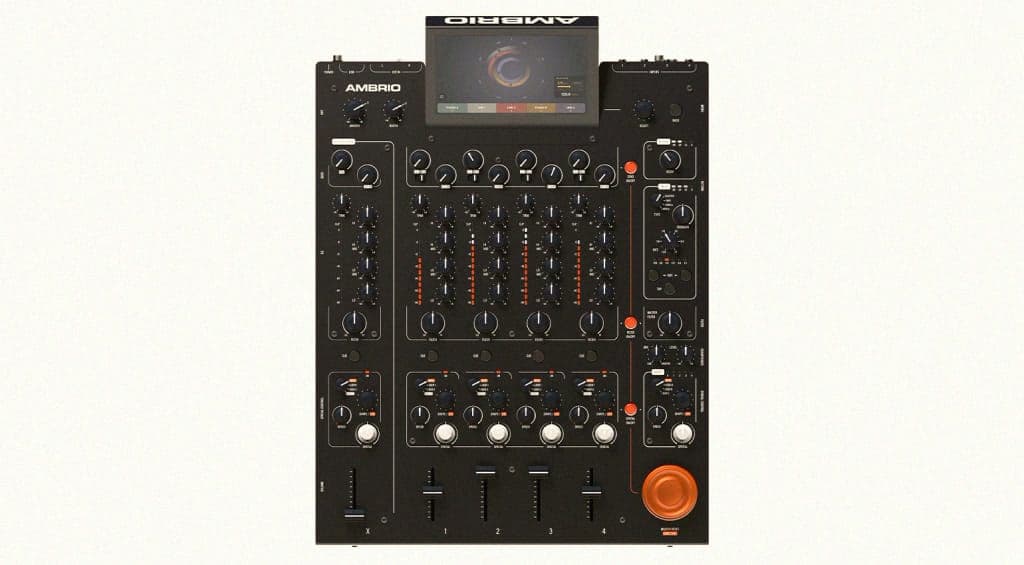
The post welcomes Behringer's recently teased ANIMA, described as an open-hardware project from Klark Teknik aiming to "bring affordable, open-architecture DJ hardware to the market." Pairing an open controller with open, bare-metal software is the piece that's been missing from the DIY DJ-rig scene for years: builders have been running Mixxx on Raspberry Pi hobby rigs for ages, but always as one-off, unsupported projects stitched together by whoever had the patience.
Mixxx's own announcement names that problem directly: "By unifying our efforts, we can break down the silos of individual forks, integrate them into a single upstream codebase." The plan is to formally review what every existing Mixxx-on-embedded fork has already built, decide what's ready to merge upstream, and keep that process going under a standing "Embedded Roadmap" rather than leaving it to scattered GitHub repos that die when their one maintainer moves on.
Who actually owns a DJ's library?
The part of the announcement with teeth beyond the hardware geekery is about data. Mixxx core developer Daniel Schürmann frames it as a matter of ownership, contrasting Mixxx's plain, portable file formats with how some competitors lock things down:
A DJ's track annotations, playlists, and crates belong to the DJ, not locked away inside a manufacturer's encrypted vault.
The post points directly at rivals that store libraries in encrypted SQLite/SQLCipher databases, a design choice that stops DJs from freely moving their own metadata, cue points and beatgrids to another platform. Mixxx never encrypts any of it. For a working DJ, that's the difference between a library that's actually yours, portable, inspectable, backed up however you like, and one you're renting access to for as long as you keep paying for, or keep using, a particular piece of software.
Behringer's own open-hardware push and Mixxx's bare-metal roadmap both point at the same bet: that open tools can now match proprietary gear closely enough on raw performance that the real differentiator becomes who controls the data and the hardware design underneath it.