What did DNA actually say?
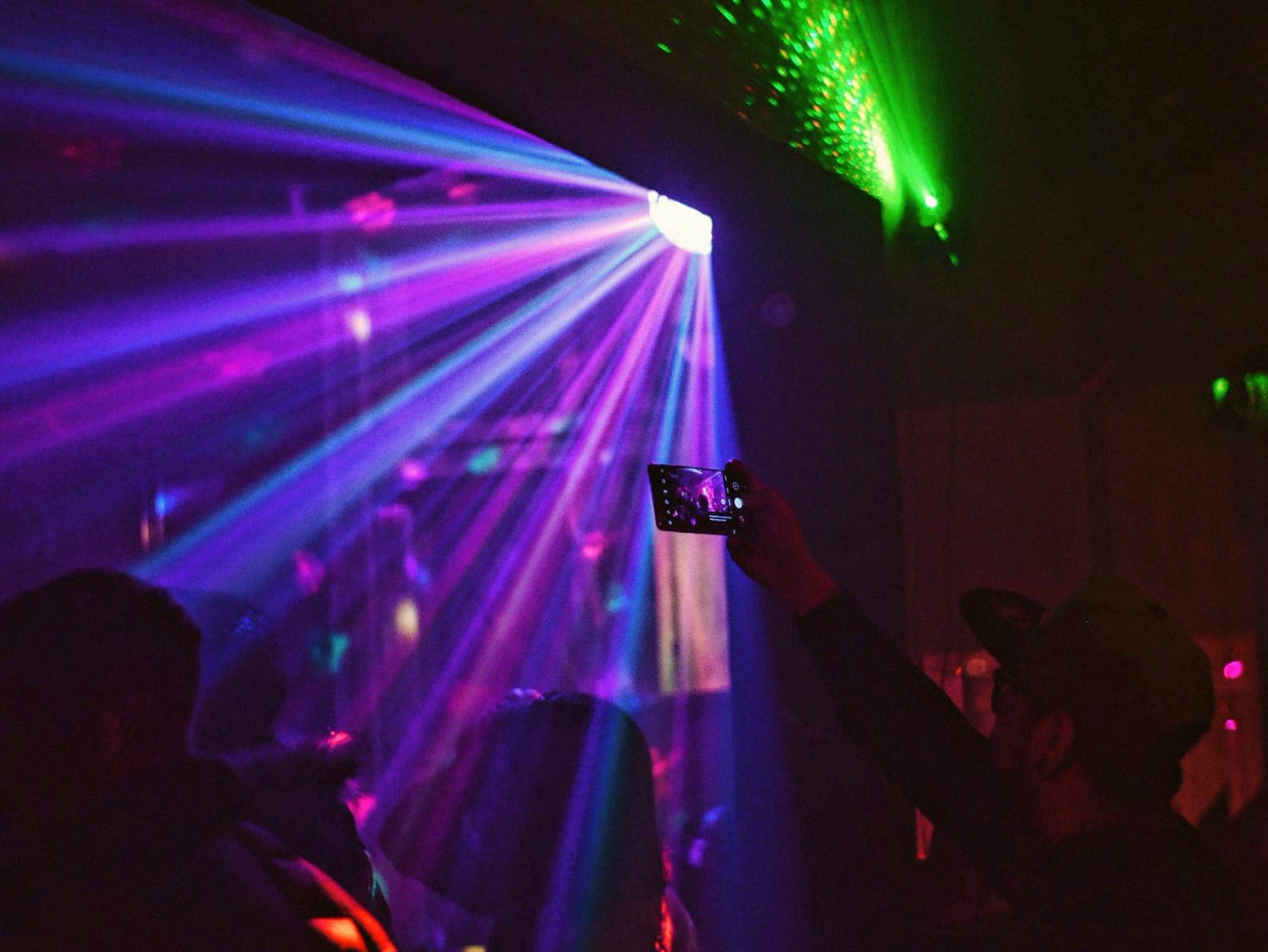
DNA posted the news to Instagram on July 13, without warning: the club closes at the end of September, not even three years after it opened in Werksviertel in December 2023. The statement carried the line that's now doing the rounds among Munich promoters: "DNA war nie nur ein Raum. Das DNA waren die Menschen darin" (DNA was never just a room. DNA was the people in it). A second line called the run "three letters, three years, a story that grew bigger than we imagined." No landlord named, no rent figure, no falling out on record. In 190 square meters built for 400 people, DNA had booked a genuinely wide floor: Kobosil and Thomas Schumacher next to hardgroove and trance regulars like Victor Ruiz and Radical Redemption, plus fast house sets from names like Marlon Hoffstadt. That range is part of why the closure stings beyond the regulars, it wasn't a single-genre curiosity, it was a room that actually worked the whole spectrum under one roof.
Why is Munich losing two techno rooms in the same year?
Six months earlier, Blitz confirmed it was giving up its home in the former Kongresshalle of the Deutsches Museum on Museumsinsel, a room it had built out and run for nine years. That one has an actual paper trail: the museum wanted the space back for renovation work in what it calls the Forum der Zukunft, offered to keep the tenancy going under changed structural terms, and Blitz's operators turned it down. The farewell run is July 31 to August 3, and the team says it's already working on a new Munich address rather than closing outright. DNA's case reads differently. There's no museum, no cited renovation, no changed terms on record, just silence dressed up as sentiment. Two of the city's biggest techno rooms leaving within months of each other, one with a documented cause and one with none, is not a coincidence anyone in the local scene is comfortable calling small.
Has Werksviertel done this before?
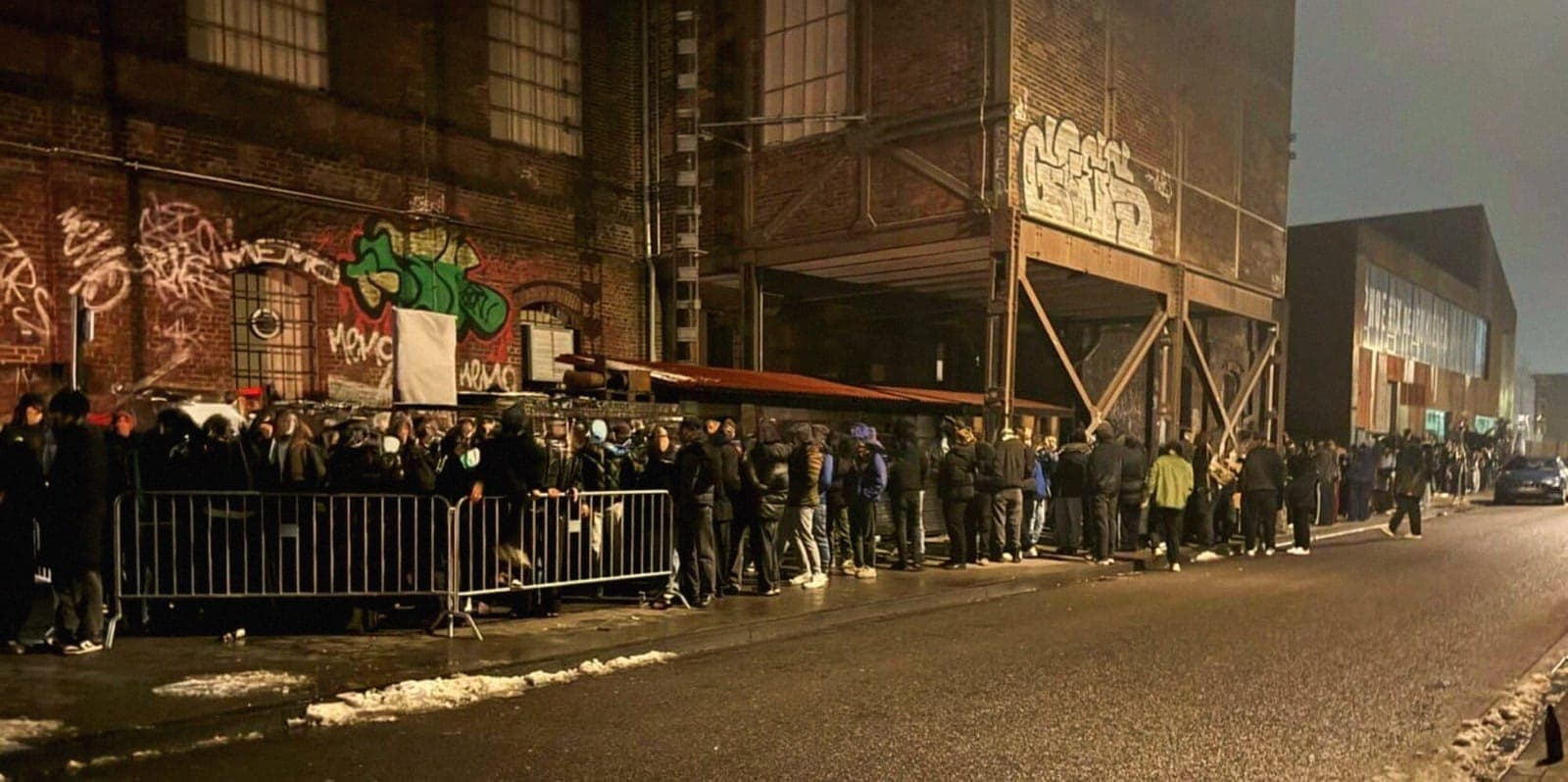
It has, repeatedly. The Atelierstraße ground DNA occupied sits on the old Pfanni factory site, the same patch of Munich that carried Ultraschall, KW Das Heizkraftwerk and Natraj Temple through the 1990s, clubs still name-checked as the reason Werksviertel counts as techno ground at all. Each of those rooms eventually closed too. DNA's three year run fits an old pattern on that exact real estate: a promising room opens on cheap industrial space, builds a following, then loses the building once the area around it gets more valuable. Werksviertel today is a fully corporate mixed-use development, offices, a Warner Bros. theme park, hotels, built around the same club and market halls that gave the district its edge in the first place.
What happens to the scene now?
Munich's techno crowd isn't short on demand, DNA and Blitz both filled floors on a regular night. What the city keeps losing is the physical room to put that demand in. Blitz is at least trying to relocate rather than fold. DNA hasn't said whether "in its current form" means the brand tries again somewhere else or simply ends. Either way, Munich has now burned through two of its highest-capacity techno venues in a single year, and the promoters left standing are the ones who'll have to explain to touring DJs why the city keeps losing rooms it can clearly fill.