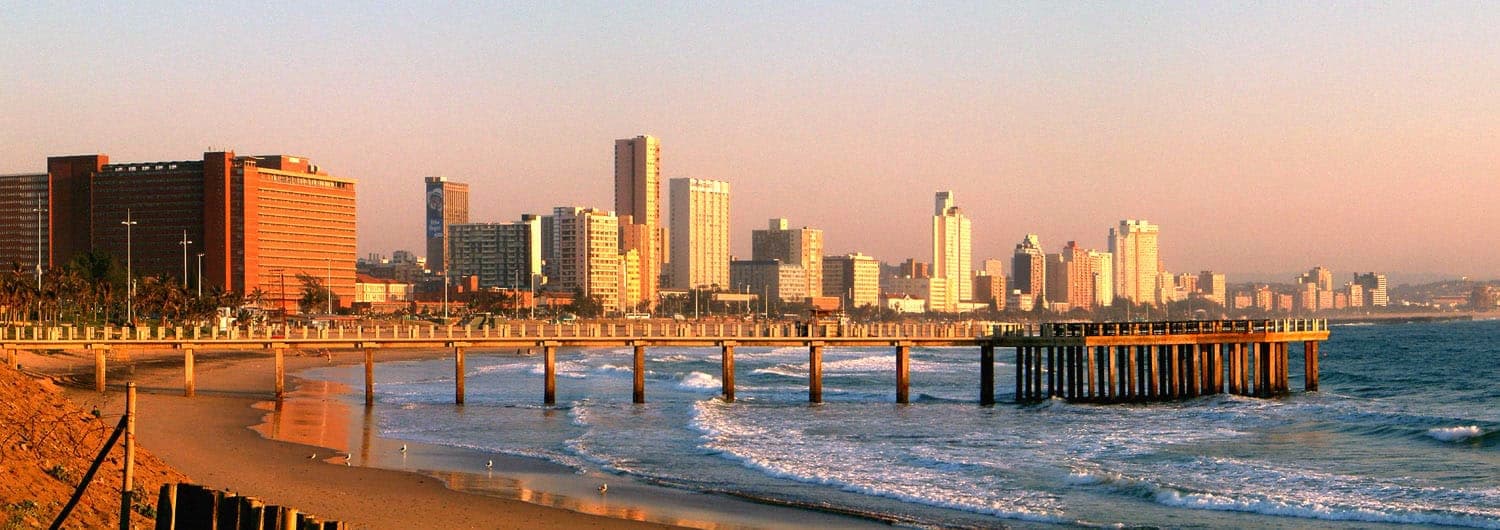
The Music Imbizo bills itself as Africa's leading music business conference, and this year it is staking that claim on a theme that reads less like a festival slogan and more like a mission statement: "Toward a Sacred Economy of Sound, Building the Systems for a Conscious Music Industry." Translated out of conference-speak, that means four days in Durban spent arguing about who actually owns African music, and who gets paid when a stream, a sample or a sync deal happens.
The event runs August 26-29, anchored by a business conference at UNISA's Durban campus that runs alongside an artist showcase and a film festival. Organizers picked 24 acts from more than 900 submissions, drawing performers from South Africa, Uganda, the Netherlands, Mozambique, Nigeria, Kenya, eSwatini and Zimbabwe to play showcases at Hue Café and The Chairman from August 26 to 28.
Why put IP at the center instead of a headliner?
Most music conferences sell a lineup first and a panel track second. Music Imbizo is doing the opposite this year: the framing on its own site treats music explicitly as intellectual property, "a vital asset in today's global economy," and builds its programming around protecting and managing that asset rather than just booking stages. For a continent where streaming payouts, sync licensing and AI-driven music tools are rewriting who captures value from a song, that is a deliberate bet that the real story in African music right now is economic, not just creative.
Where does electronic music actually sit in this?
The 2026 showcase bill is not a house or amapiano lineup, it leans toward jazz, soul and Afro-fusion, with acts like Umzulu Phaqa, MNIX and SIIBU carrying much of the vocal and songwriting side of the programme. But the conference's own team includes a genuine electronic-music operator in DJ LeSoul, the Durban-raised Afro Tech DJ and producer born Nonkululeko Mdlalose, who built her name working alongside Black Coffee and DJ Shimza and produced for Red Bull's Dubane Connect project before moving through radio stints at Gagasi FM and Metro FM. Her presence matters less as a booking and more as a signal: the business infrastructure this conference is trying to build, rights management, deal-making, IP literacy, is exactly what South Africa's house and Afro tech producers have long said they lack compared to the international attention their sound already gets.
"Protecting and managing IP ensures that artists benefit from their work," the conference states in its own framing of the 2026 programme.
Who should actually pay attention?
Bookers, labels and rights managers working the Southern African circuit have reason to watch who comes out of this year's Music Imbizo with real deals, not just stage time. A business conference that puts royalties and IP ahead of a genre-specific bill is a bet that African music's next leverage point is legal and financial infrastructure, not another viral sound.