What did the review actually find?
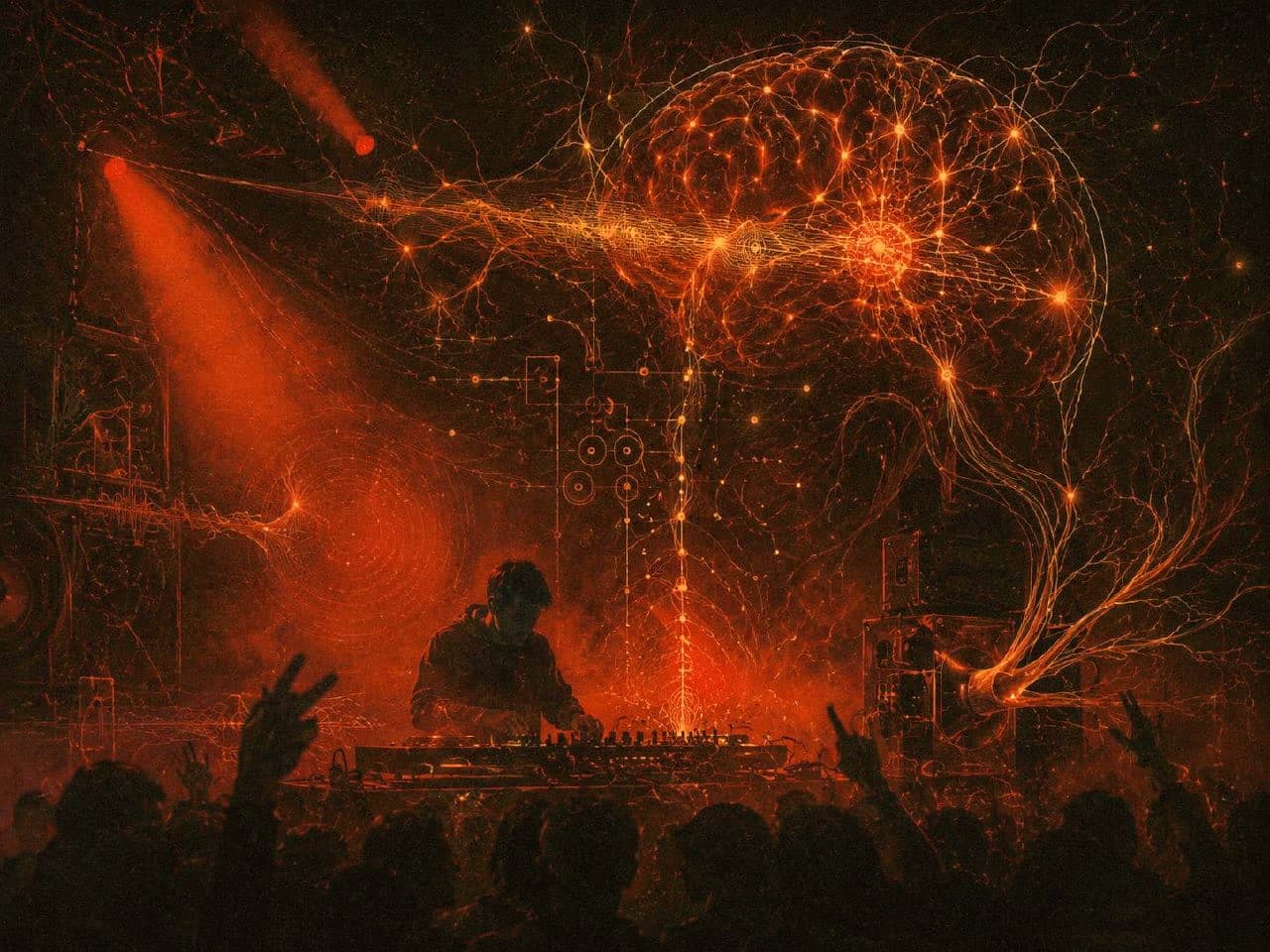
Writing in PLOS ONE in January 2025, Cong Ding and colleagues pooled nine studies that first pushed people into mental fatigue with long, demanding cognitive tasks, N-back memory drills, sustained-attention challenges and arithmetic, and then introduced music, during or after. The effect held across cognitive and physical measures. Relaxing music shortened reaction times on N-back tasks against silence, and high-arousal music cut them further still. Five studies reported that listening significantly decreased the subjective feeling of fatigue. And it was not only self-report: EEG showed less theta and more alpha activity, while SSVEP brain-computer-interface readings ran higher under exciting music, a marker that the brain was being pulled back from fatigue.
Why does instrumental win, and why does tempo matter?
Two findings walk straight into a DJ booth. First, lyrics lose. Every cognitive-task study used instrumental music without lyrics, because words hijack the same limited attention the task is trying to spend. Second, tempo is a dial, not a detail: fast, energetic tracks above 120 BPM sharpened reaction time and lifted the brain markers, while slower, calmer pieces below 90 BPM were better at taking the edge off the feeling of exhaustion. You pick the energy to fit the job, peak-time drive when you need output, a deep and warm tempo when you need to recover.
Wordless and built around BPM is not a description of a productivity playlist. It is a description of house and techno.
What does this mean for a house head?
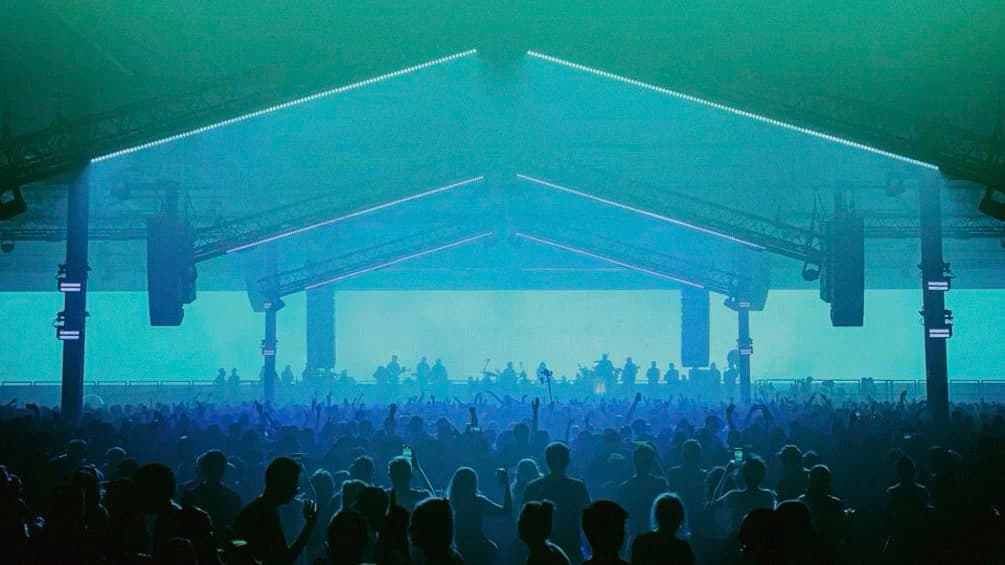
Here is the part the review never says but every producer half-knows already. House, techno and their cousins, deep, minimal, afro, organic, are overwhelmingly instrumental and defined by their BPM. The 120-to-130 zone that drives a peak-time floor is exactly the high-arousal band the review credits with faster reactions; a 118 BPM deep-house roller or an ambient downtempo cut is the slow lane for decompression. The music the rest of the world files under party fuel turns out, on this evidence, to be a fairly precise cognitive tool: a wordless, tempo-tunable way to drag a tired brain back online, whether you are eight hours deep in the studio or trying to close out a workday with something left in the tank.
How should you actually use it?
Match the music to the moment. Need reaction speed and output, arranging, answering the hard emails, reach for something faster and energetic with no vocals. Running on empty and you just want the fatigue to lift, drop the tempo and let a warm, slow instrumental do the de-loading. Keep the lyrics out when the task is cognitively heavy. None of this is a prescription, nine studies is a signal, not a law, but it lines up neatly with what the floor has always known.