What actually happened in Little Snoring?
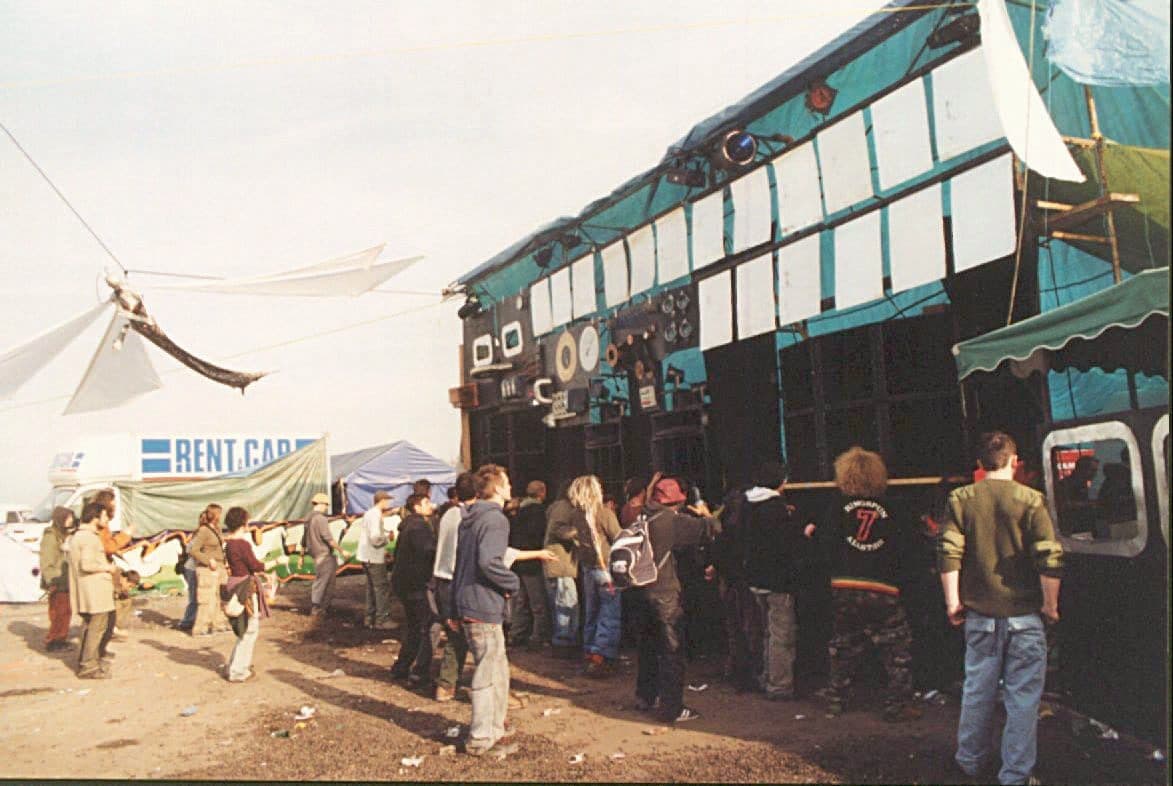
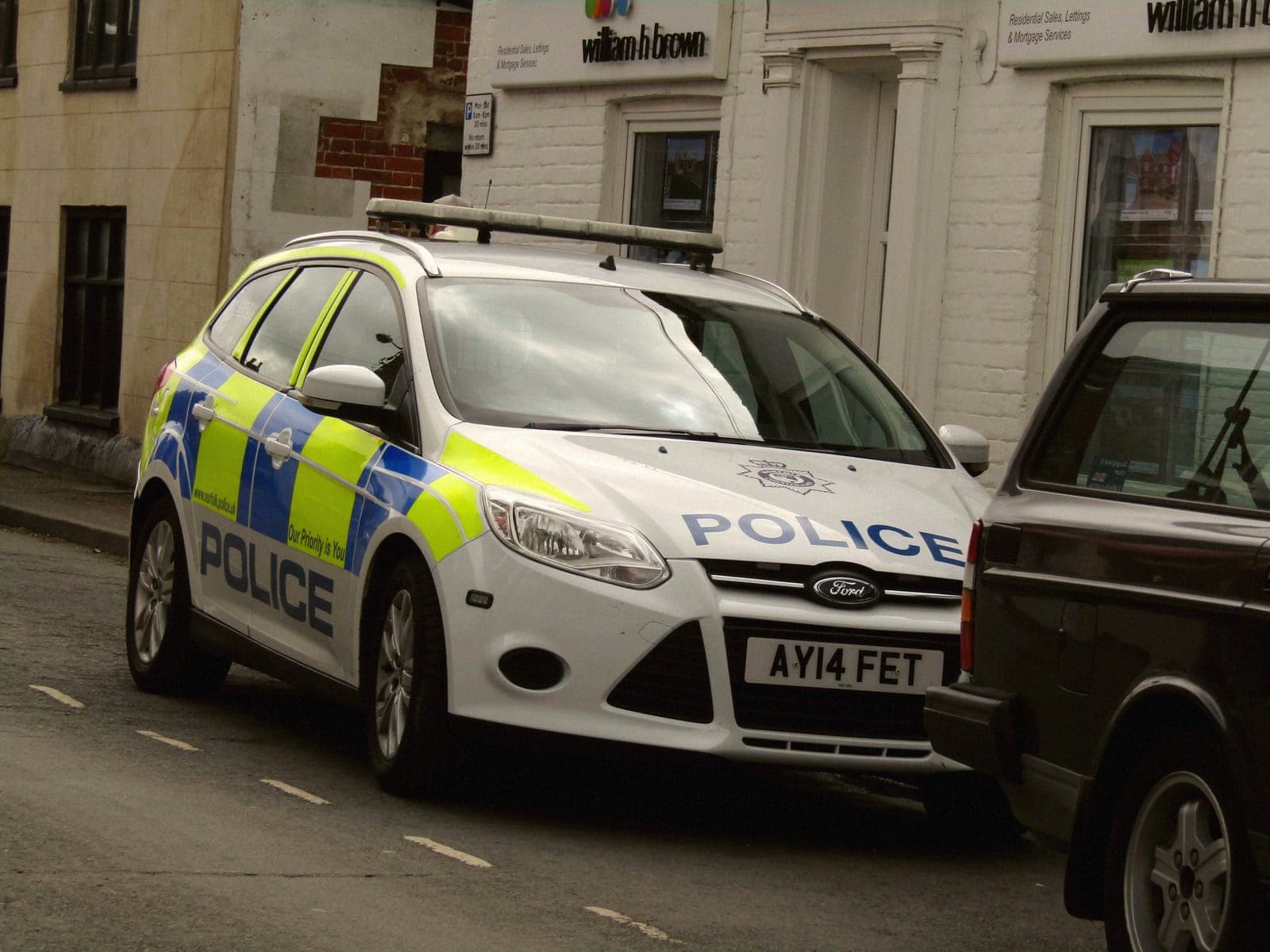
Norfolk Police were called to a field off Thursford Road, near the village of Little Snoring, shortly after 1am on Sunday, August 23, 2026. Officers closed the entrance to stop more people getting in, then used Section 63 of the Criminal Justice and Public Order Act 1994 to direct everyone on site to leave. Music reportedly carried as far as the neighboring village of Great Snoring, and locals complained on social media before police arrived.
By the time the site was cleared, officers had seized numerous vehicles, generators and sound equipment. Seven men were arrested; five remain in custody, one was released under investigation, and one, 27-year-old Kane Curtis of Buckenham Drive, King's Lynn, has been charged with drink driving. He's due before King's Lynn Magistrates' Court on September 3. The list of alleged offenses under investigation runs wider: drug driving, drink driving, possession of a Class A drug with intent to supply, and running a licensable entertainment activity without a licence. Norfolk Police say the search for the event's organizers is ongoing.
Superintendent Craig Miller framed the raid as routine enforcement, not a one-off crackdown:
"We are committed to doing everything we can to prevent, disrupt and stop these events from taking place, while reducing their impact on local communities."
Why is a 1994 law still the tool of choice?
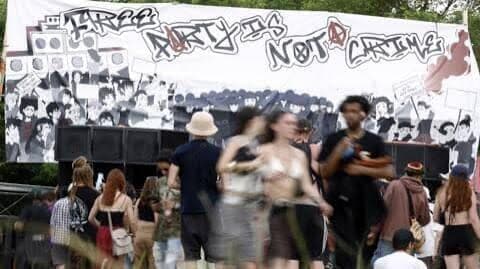
Section 63 exists because of one festival. In May 1992, somewhere between 20,000 and 40,000 people descended on Castlemorton Common in Worcestershire for a week-long free party that sound systems including Spiral Tribe, Bedlam and DiY built without permission from anyone. The scale and the media panic that followed pushed then-Home Secretary Michael Howard to write a law specifically aimed at gatherings "characterised by the emission of a succession of repetitive beats." It gives police the power to shut down any outdoor gathering of 100 or more people playing amplified music at night if it's likely to cause serious distress to nearby residents, and to seize the equipment used.
Thirty-two years on, that clause is still the first thing an English force reaches for whenever a rural sound system sets up. Little Snoring has a population of roughly 620. The party that landed there this August was small by Castlemorton standards, but the legal mechanism that ended it hasn't changed at all: same statute, same "repetitive beats" language, same seizure powers written for a very different scene in a very different decade.
What happens next?
Kane Curtis's court date on September 3 is the only fixed date on the calendar. The rest depends on whether Norfolk Police can identify who booked the field, hired the rig and promoted the event, since organizing an unlicensed rave carries far heavier exposure than simply attending one. Free party collectives elsewhere in the UK have learned to expect exactly this pattern: a location dropped at the last minute, a set that runs a few hours before police arrive, then a seizure that costs the crew its entire rig. The equipment rarely comes back quickly, if at all, which is arguably a bigger deterrent than any court date.