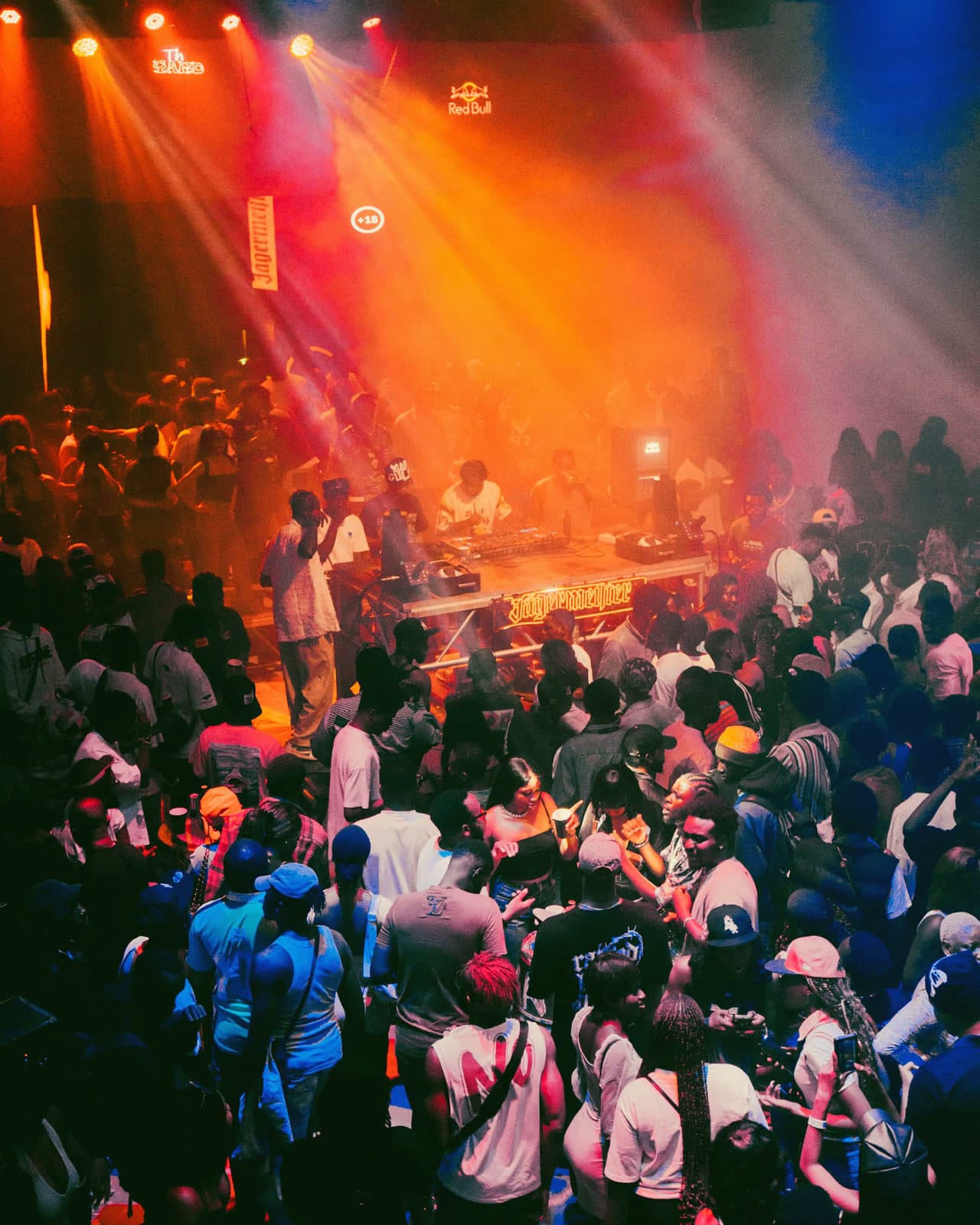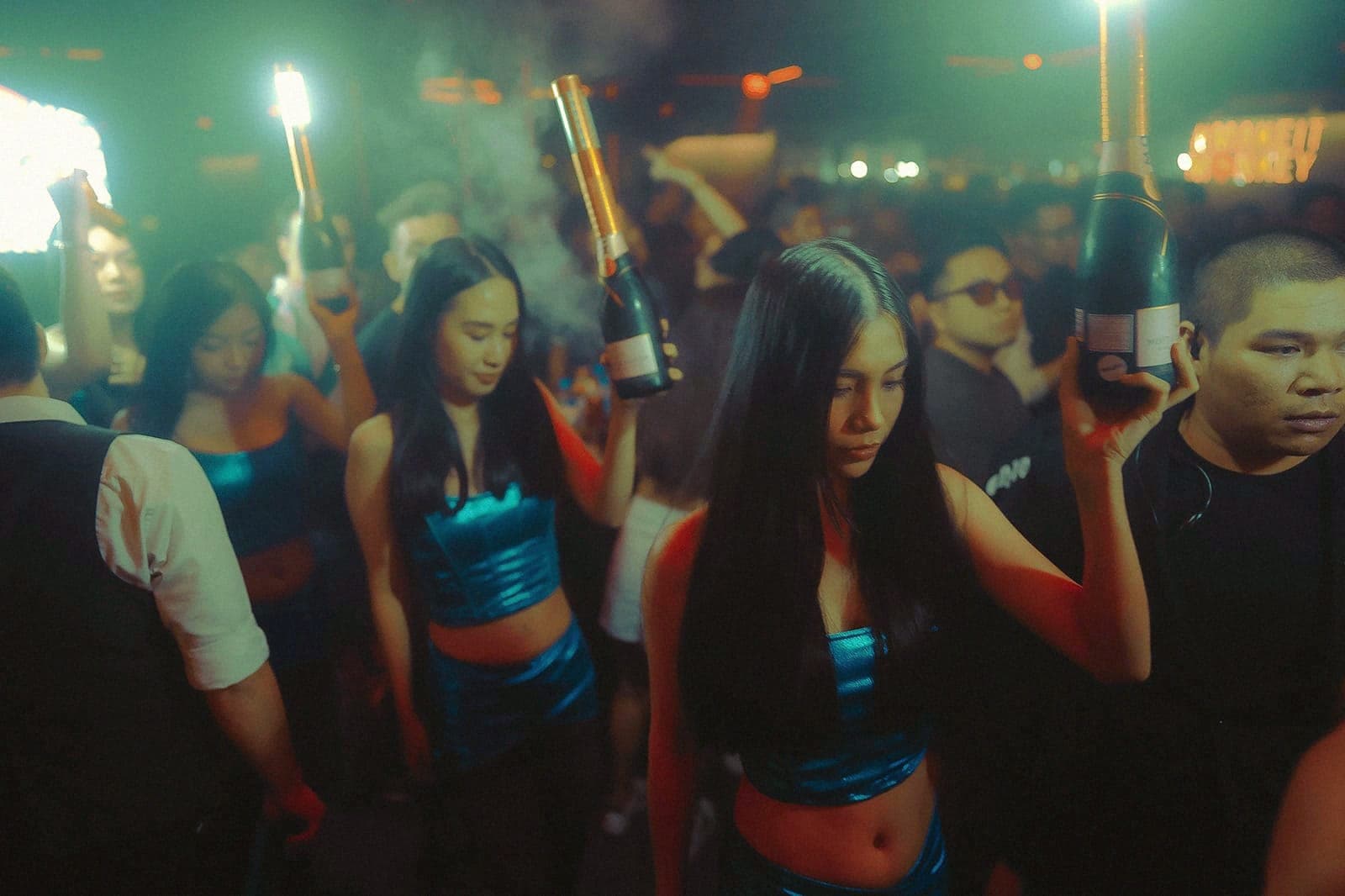
Brands discovered the dancefloor a while ago. Energy drinks, fashion houses, streaming platforms and now a phone maker have all worked out that club culture is where a certain kind of cool gets minted. What makes Nothing's move worth a second look is that it arrives with actual money attached, and a question the scene should ask out loud.
What is Club Nothing actually offering?
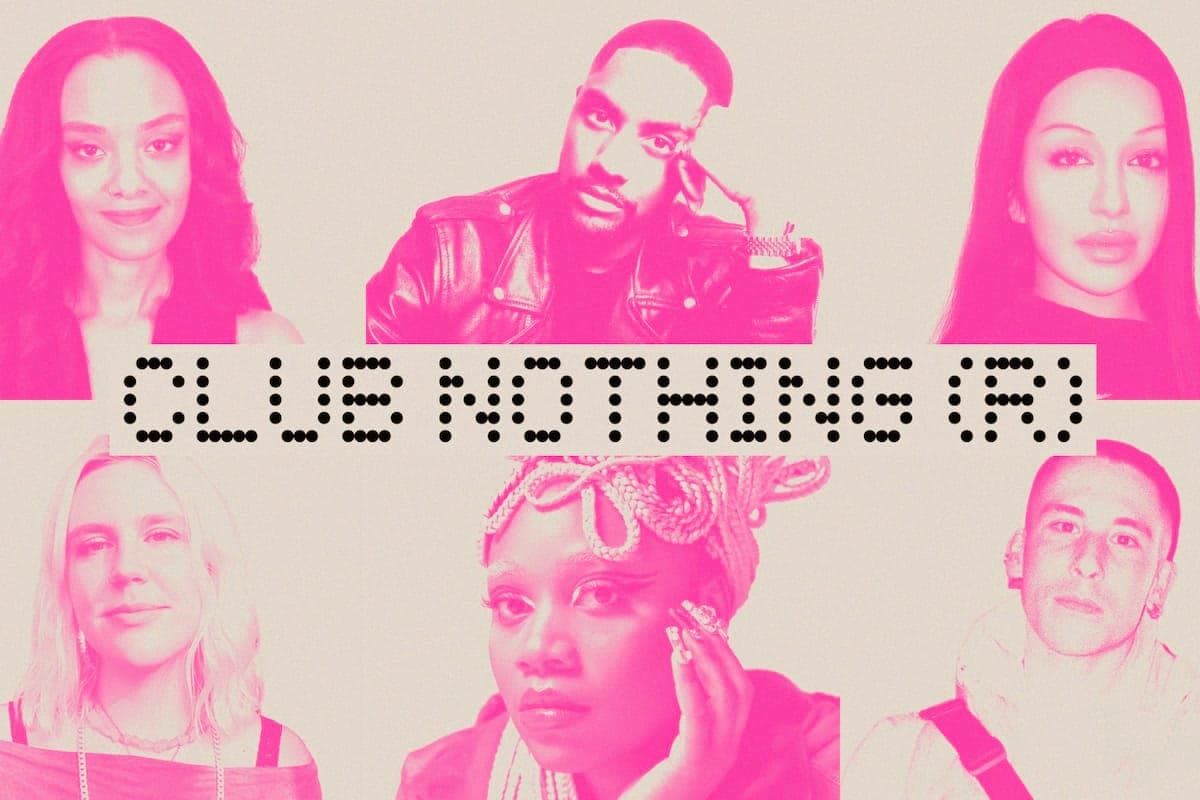
Nothing, the London hardware brand behind the see-through phones and the blinking Glyph interface, has launched Club Nothing, a run of global nightlife events plus a 40,000-dollar fund. Four winners each take 10,000 dollars to put on a party, an event series or a small festival, with the brief openly chasing the outlandish: forest raves in Tokyo, genre takeovers in rooms that were never meant for them. Applications sit at nothing.tech/club-nothing and close on 9 August 2026, judged by a panel that includes DJ and producer Manuka Honey next to Nothing executives and music-press names. The tour itself opens in New York on 9 July and lands in Tokyo on 30 July.
Why is a phone company funding raves?
Because nightlife is cheap, potent cultural capital, and Nothing has spent its whole existence buying credibility through design and famous friends. Charli XCX is a shareholder and the brand's first global ambassador, and The Weeknd and Swedish House Mafia sit on the cap table. A grassroots fund slots neatly into that strategy: it buys goodwill with exactly the tastemakers a challenger hardware brand wants, at a fraction of the cost of a billboard campaign.
Is 40,000 dollars a lifeline or a logo?
Both things are true at once. To four small crews staring down venue hire, a sound system and insurance, 10,000 dollars is real, useful money in a year when grassroots promoters are being squeezed out by rising costs and club closures. To a hardware company, it is a rounding error with a brilliant return. The honest test is not the press release, it is what comes attached: whether the events have to wave a logo, whether the money returns next year, and whether the panel is choosing genuine risk over safe, on-brand cool.
Grassroots nightlife needs money. The catch is that the people with money now expect a culture in return.