What is Nothing actually offering promoters?
The pitch is simple: $10,000, no strings beyond a Typeform application, to any promoter, collective or individual anywhere in the world who wants to throw a club night, event series or festival. Nothing's brief for the Club Nothing Fund reads almost like a provocation aimed at scene tourists: "an acid rave in a forest on the outskirts of Tokyo, a hyperpop takeover of an abandoned subway where everyone's dressed like Hello Kitty, a post-industrial techno set in a Parisian toilet" are the kind of projects it says it wants to fund. Applications opened July 1 and close August 9, 2026, with judges weighing innovative creativity, rebellious sound and community values alongside the unglamorous basics: an applicant's track record running events, their logistics plan, and whether the budget actually adds up.
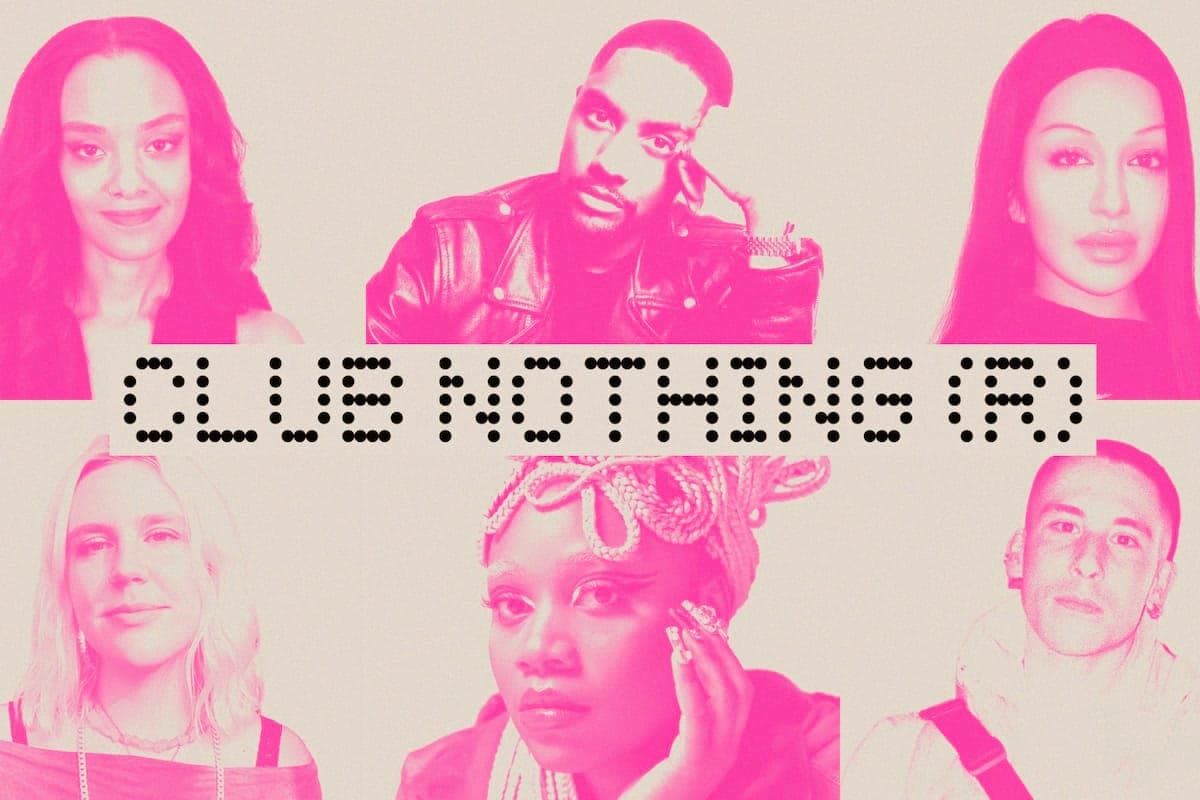
The panel is a genuine mix. Manuka Honey, a working DJ and producer, sits alongside A&R veteran James Supreme, industry consultant Layla Mustafa Rock and Dazed's Solomon Pace-McCarrick, an actual music editor with a stake in getting this right. But it also includes two Nothing employees, senior community manager Erica Travis and global head of communications Shavone Charles, whose job is the brand, not the dancefloor.
"Community has always been the heart of Nothing. Club Nothing is about creating spaces where people can come together around a shared love for music."
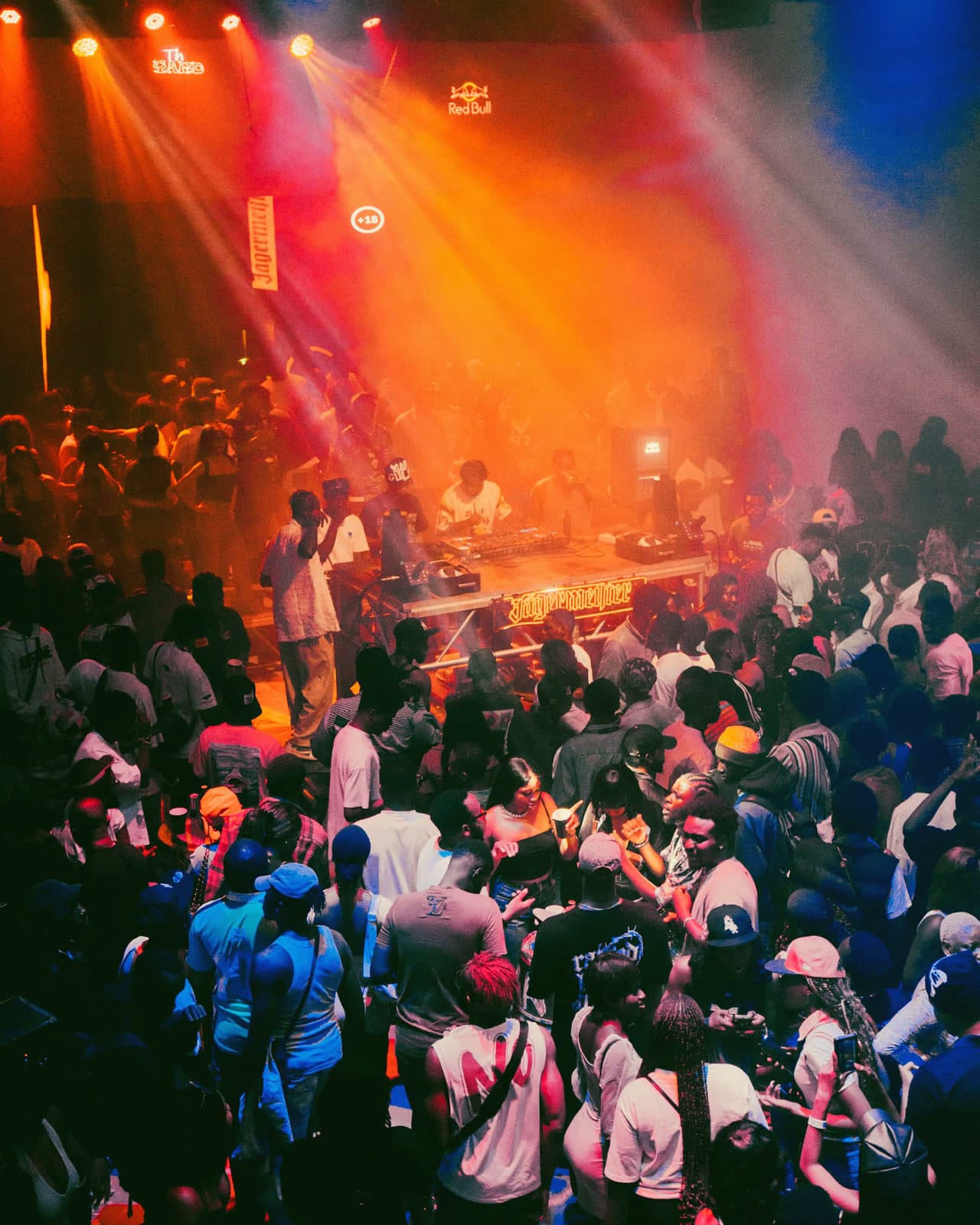
That's Travis's framing, and the debut event backed it up on the ground: July 9 at the queer-owned Outbox Gym in Brooklyn, a boxing gym with a wrestling ring for a dancefloor, no dress code, and a lineup, Fcukers headlining over Tygapaw, Umru and Princess Peggie, that reads like a real NYC bill rather than a brand-activation filler card. It also happened to land, to the day, with the launch of Nothing's Ear (3a) earbuds.
Why is a phone company suddenly funding raves?
Because the underground's credibility is exactly what Nothing is buying. The company doesn't sell music, it sells earbuds and phones built around a see-through, industrial look that already borrows heavily from club and rave visual language. Its celebrity roster tells the real story: Charli XCX became Nothing's first Global Brand Ambassador and took a stake in the company in May 2026, and The Weeknd and Swedish House Mafia are both investors. These aren't paid faces reading a script, they are shareholders with a direct financial interest in Nothing looking credible to exactly the audience that reads Dazed and turns up to a party inside a boxing gym on a Thursday. Club Nothing gives that shareholder roster a live, photographable event to point to, and gives Nothing's product launches a nightlife news cycle no spec sheet could earn on its own.
Does the money help the underground, or use it?
Both, and that's the actual debate, not a false one. Ten thousand dollars is real money to a promoter used to eating their own losses on a door that didn't clear; it's more direct, unrestricted cash than most grassroots nightlife operators will ever see from a single source, and four of them get it with no equity taken and no branding requirement beyond, presumably, a thank-you. That's a genuine opportunity, not a gimmick, and pretending otherwise is its own kind of snobbery.
But the trade is real too. A consumer electronics company is now the gatekeeper deciding which "rebellious" nights get built, judged partly by its own staff, timed to its own product drops, and folded into a marketing calendar it controls. Every promoter who applies is, structurally, competing for a corporate grant instead of building a night the old way: favors, door splits, a crowd that shows up because they trust the person throwing it, not because a phone brand picked them. Whether that trade is worth it looks different from a promoter holding $10,000 than from one who didn't win and watched their scene's credibility get spent on somebody else's marketing plan.