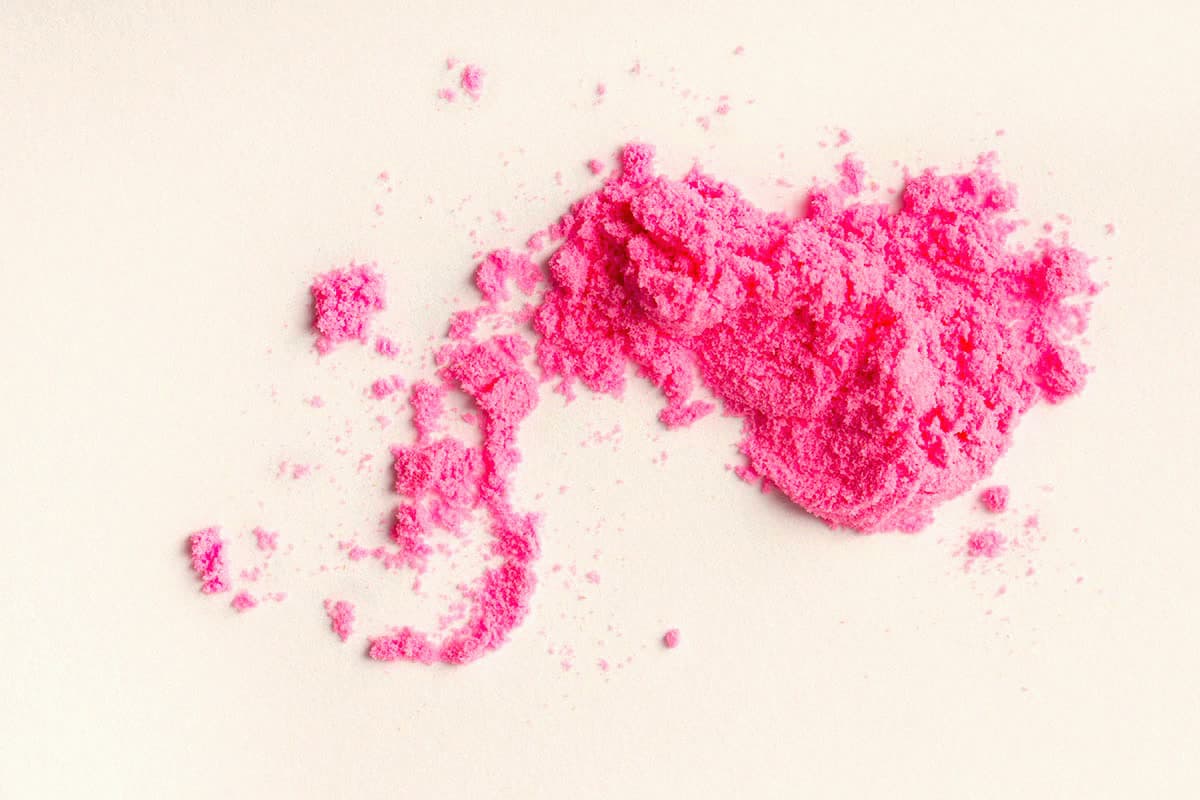
A government lab tested pills from an actual festival dancefloor and told the public, by name, what it found. That is the part of this story that should not get lost under the word MDMA.
Strawberry Fields ran in Tocumwal, in Southern New South Wales, from November 20 to 22. Somewhere in that crowd, NSW Health's official Drug Checking Service pulled tablets, ran them through its equipment, and found doses high enough to warrant a public alert. The agency pushed the warning out on November 25, and it is not framed as a one-festival problem. NSW Health says the same high-dose stock could be circulating anywhere in the state heading into summer, when the festival calendar gets dense and the temperatures climb with it.
Why does "high dose" matter more than "MDMA"?
Everyone already knows MDMA carries risk. The detail that actually changes behaviour is this: according to Dr Hester Wilson, NSW Health's Chief Addiction Medicine Specialist, potency inside a single batch is not consistent. "Tablet potency can vary significantly, even within the same batch," she said, which means the pill your friend took an hour ago, that seemed fine, tells you nothing reliable about the one in your pocket. Combine that unpredictability with stacking (multiple doses in one session, or MDMA alongside other stimulants like synthetic cathinones or amphetamines) and the risk curve steepens fast. Wilson's own list of what goes wrong is blunt: "severe agitation, raised body temperature, seizures or fits, irregular heart rhythm and death."
Heat does the rest of the damage. "Hot environments, such as at music festivals, also increase the risk of harm from MDMA," Wilson said, which is exactly the environment an outdoor NSW summer festival hands you by design: sun, dancing, close crowds, and whatever shade you can find.
What is NSW Health actually telling ravers to do?
Not abstinence messaging. Practical pacing: take breaks from dancing, get into shade, drink water, and space out or skip repeat doses rather than topping up through the night. And the line that matters most for anyone hesitating to act: if someone is struggling, call Triple Zero (000), and callers will not be prosecuted for drug use when seeking emergency help for themselves or someone else.
"We are concerned about the detection of these high-dose MDMA tablets and are urging the community to be aware and vigilant, particularly for those people attending major festivals over the next few weeks.", Dr Hester Wilson, NSW Health
None of this works as a warning unless people trust the service that generated it. That trust is the actual infrastructure story here: a state-run checking service that tests what is really in circulation and publishes the result fast enough to reach people before their next festival weekend, not months later in an annual report.
Why it matters
Drug checking only saves lives if the results travel faster than the batch does, and NSW just ran that loop in under a week: festival, detection, statewide public alert, ahead of a summer calendar packed with outdoor events.
What we think
This is what harm reduction is supposed to look like: specific, fast, and aimed at people who are going to go to the festival regardless of the warning. NSW Health didn't moralise about MDMA existing, it told ravers exactly what changed (the dose, the batch inconsistency, the heat) and exactly what to do about it. Every state running summer festivals without a service like this is choosing to find out about a bad batch after an ambulance call instead of before one.