What exactly is the NTIA asking for?
The open letter, published 5 June 2026 and signed by NTIA CEO Michael Kill, asks the UK Prime Minister and the Secretary of State for Culture, Media and Sport to do three things: formally recognise qualifying nightclubs as cultural institutions, extend greater planning protections against redevelopment and displacement, and provide direct support for grassroots venues.
The framing is deliberate. Cultural status in planning law is not ceremonial. It is the mechanism that forces developers and local authorities to weigh cultural loss before approving a demolition or a change of use. Without it, a club is just a business, and businesses lose to residential towers every time.
Why now, and why is the timing so brutal?
The UK government's 40% business rates relief for hospitality and leisure venues is ending in 2026. At the same moment, rateable values across the country have been revised upward. The combined effect is a cliff edge. Venues that survived the post-pandemic recovery on razor margins now face a tax bill that is simultaneously larger in base rate and in assessed value.
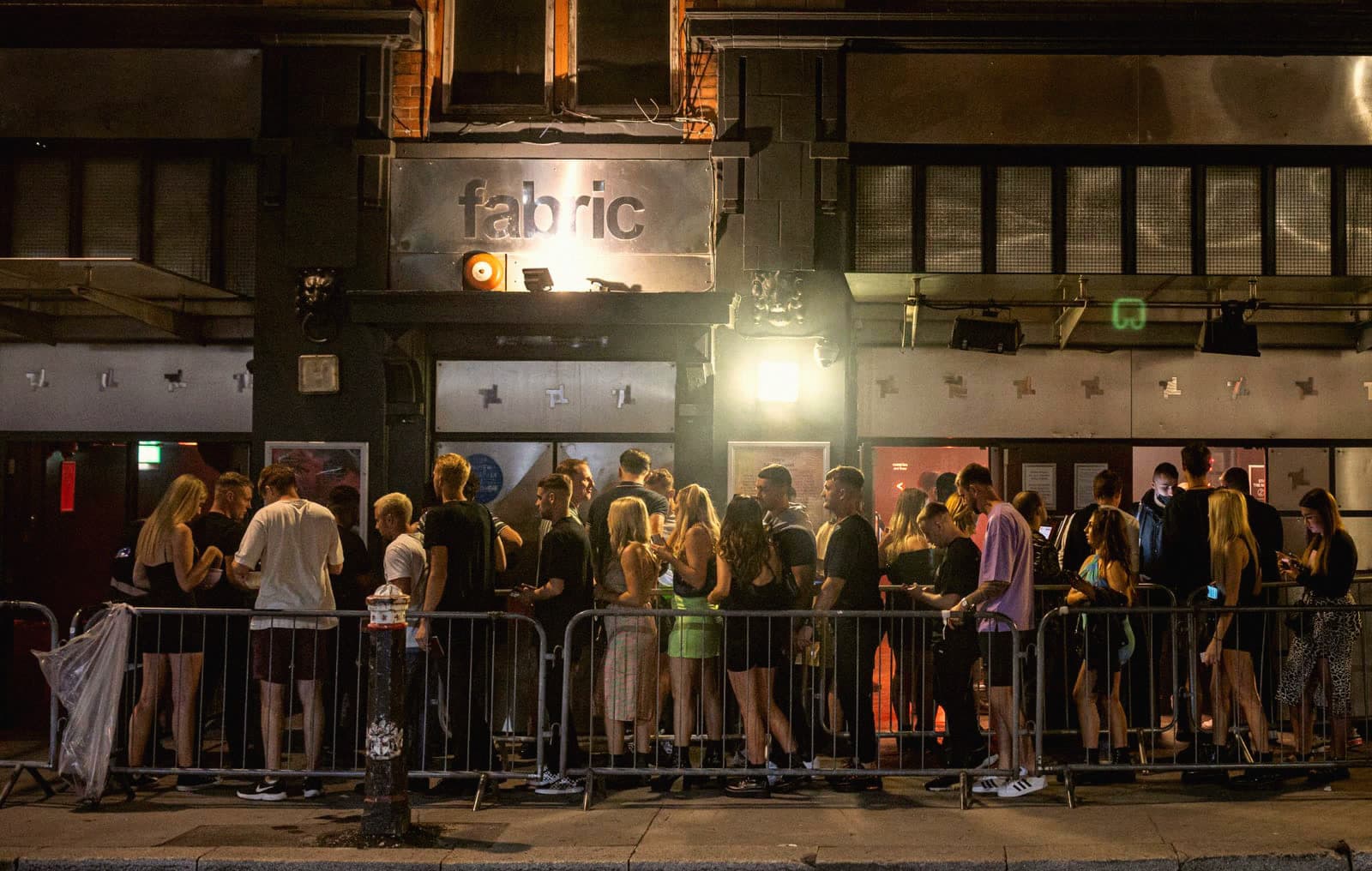
Corsica Studios in London has already closed. Motion in Bristol is gone. The Underground in Bristol is gone. The White Hotel in Manchester, one of the most important rooms in the north of England, has announced January 2027 as its last month. These are not marginal operations. These are the spaces that shaped scenes.
And while this happens, the V&A South Kensington is running an exhibition celebrating the UK's lost music venues. The government is funding a museum show about clubs that no longer exist while doing nothing to protect the ones that still do. That detail is not an irony. It is a policy statement.
Germany moved. The UK is still writing letters.
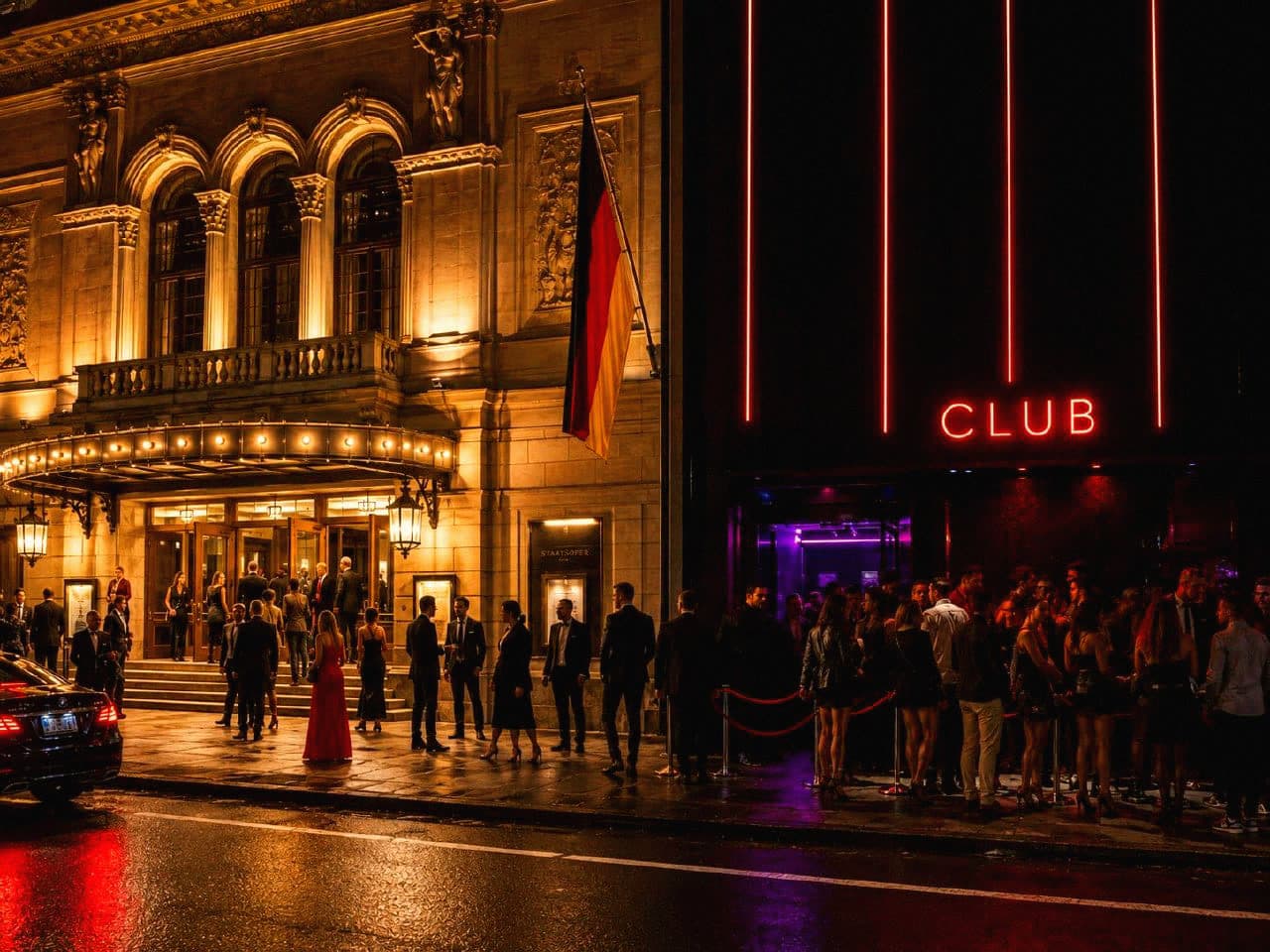
On 31 May 2026, Germany's federal cabinet under Chancellor Friedrich Merz approved a building-code amendment that reclassifies music clubs as Kulturstätten, cultural venues, rather than Vergnügungsstätten, entertainment businesses. The old category put clubs in the same planning bracket as amusement arcades and gambling halls. The new one puts them alongside theatres and art galleries.
Culture minister Wolfram Weimer called it an important step for the live music scene. The change still needs full parliamentary passage, but cross-party support is solid. Germany has given its clubs a structural tool. The UK's clubs are writing letters and hoping.
The NTIA letter explicitly cites Germany's action as a model. That the UK is taking cues from Berlin on how to protect its own night-time culture says everything about where policy attention actually sits.
"The closure of a nightclub is rarely just the closure of a business. It is often the loss of a community." Michael Kill, NTIA CEO
What would cultural recognition actually change?
Formal cultural status rewires the planning calculus. Developers face a harder case when the venue they want to demolish is categorised the same way as a gallery or a concert hall. Local authorities have to demonstrate they considered cultural impact, not just land value and housing numbers. Displacement protections can follow.
The NTIA's ask is not a subsidy. It is a reclassification. It costs the Treasury nothing. What it costs is the political will to say that the room where thousands of people heard music that changed them is worth protecting from a luxury apartment block. That, apparently, is the hard part.