What did Bristol City Council actually approve?
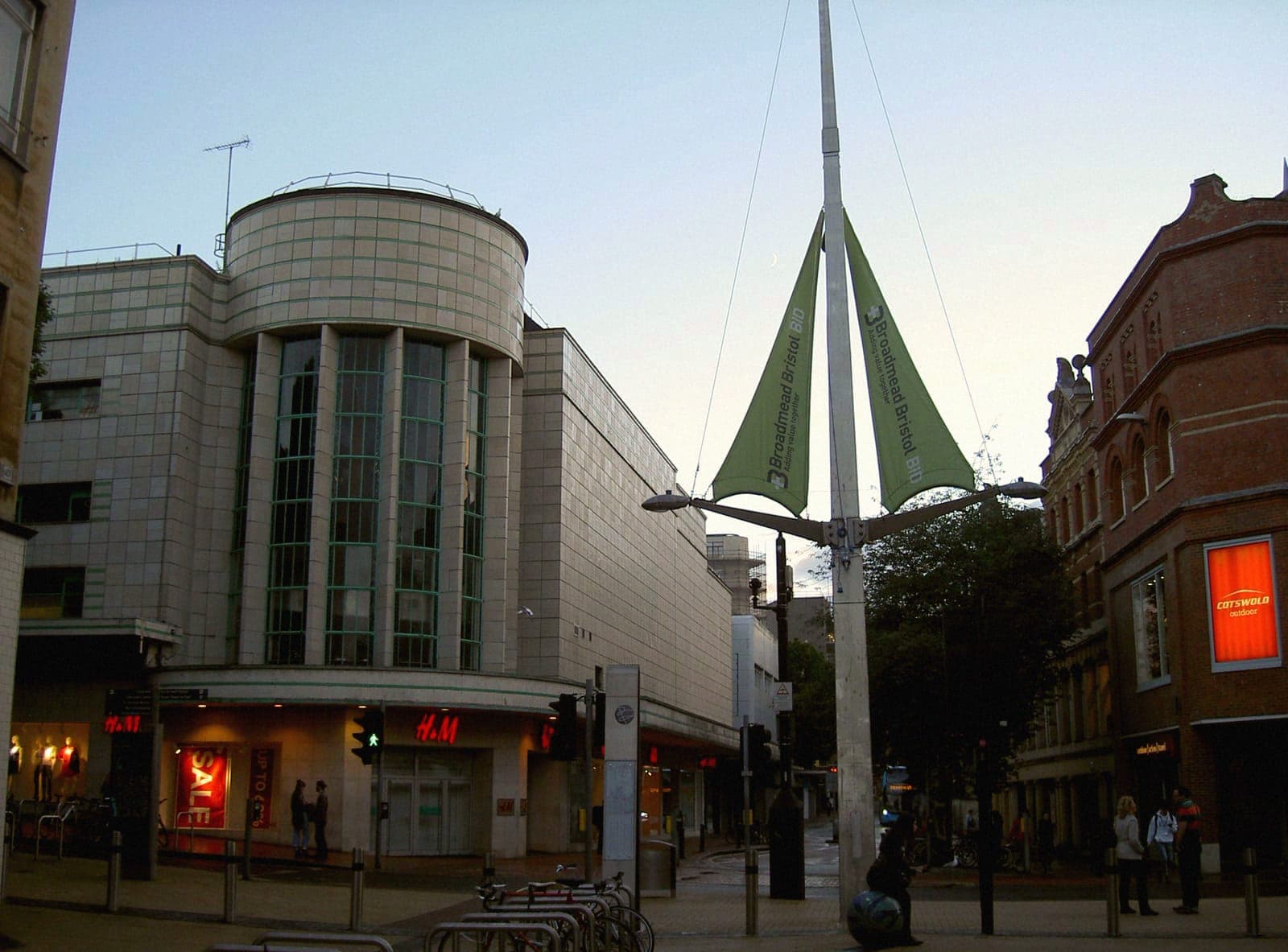
On 20 August, the council's licensing sub-committee voted unanimously to grant a premises licence for the shuttered Odeon cinema on Union Street, following a hearing reported by Bristol24/7 and picked up by DJ Mag and Mixmag. The licence covers alcohol sales, hot food, live music, and extended hours: open until 5AM on Fridays and Saturdays, 4AM the rest of the week. The single objection came from Electric Bristol, a neighbouring venue now in consultation with the new operators over the shared street.
That's a serious hours upgrade for a building that spent 88 years selling tickets to matinees, not shots after midnight, and it puts the future venue on the same late-licence footing as Bristol's established club rooms.
Who's behind it?
Promoters Luke Turner and Jack Scales, trading as UG Arts, are the team taking over the building. They already run Saw Mills in St Jude's and Alfresco Disco, an outdoor party that has run in Bristol for a decade. They've pledged £500,000 to fit the cinema out, though neither a venue name nor an opening date is confirmed yet. The move comes because their current venue, The Underground, is closing as its building goes into redevelopment, the same fate that's now handed them a much bigger stage a few streets over.
"We want to add something into Bristol for the people of Bristol, just something that will really add to the Bristol culture," Turner and Scales told Bristol24/7. "It's such a unique space to have a music venue. It's an amazing building and it's almost fit for purpose already."
"It's an amazing building and it's almost fit for purpose already."
Why does a 1938 cinema make sense as a club?
The Odeon opened on 16 July 1938, an art deco design by T. Cecil Howett built on the former site of the J S Fry & Son chocolate factory, its rounded corner entrance wrapped in cream and green faience tile. It's Grade II listed, and this isn't even its first reinvention: the cinema closed once before, in 1983, for a redevelopment that gutted the original stalls (part of the site became a Mothercare) and rebuilt it as a smaller three-screen house that reopened in 1985. It went dark for good on 11 February this year, when Odeon moved its Bristol operation to Cabot Circus.
A rotunda lobby and an auditorium built to hold hundreds of seated bodies translate into a nightclub far more naturally than most vacant retail units do, which is exactly why cinema-to-club conversions keep coming up as UK promoters run out of purpose-built rooms.
Why does this matter beyond one Bristol street corner?
British clubs keep losing their buildings to redevelopment faster than anyone's opening new ones. Turner and Scales' own Underground is proof of that, and Bristol promoters spent earlier in 2026 lobbying the council just to keep its Bristol Nights safeguarding partnership in place. A heritage building finding a second life as licensed nightlife, instead of flats or another chain store, is the rare version of this story that ends with the city gaining capacity, not losing it.