Los Angeles has spent the last few years watching venues open and close faster than most promoters can update a mailing list. Against that backdrop, ORIGIN is a different kind of bet: two nightlife veterans sinking real money into a permanent room, built sound-first, in a part of downtown that has become the city's default address for underground electronic music.
Who is actually behind this?
ORIGIN is the work of Roni Mehrabian and Cyril Bitar, who between them built SBCLTR and Minimal Effort into two of LA's more credible dance-music brands, alongside events like LABRYINTO and the LA edition of Brunch Electronik. That's not a resume built on one-off pop-ups. It's over 20 years of combined promoting experience, which is exactly the kind of operator background LA's electronic scene has needed at the venue level rather than just the party level: people who understand what a room needs to survive past its opening month.
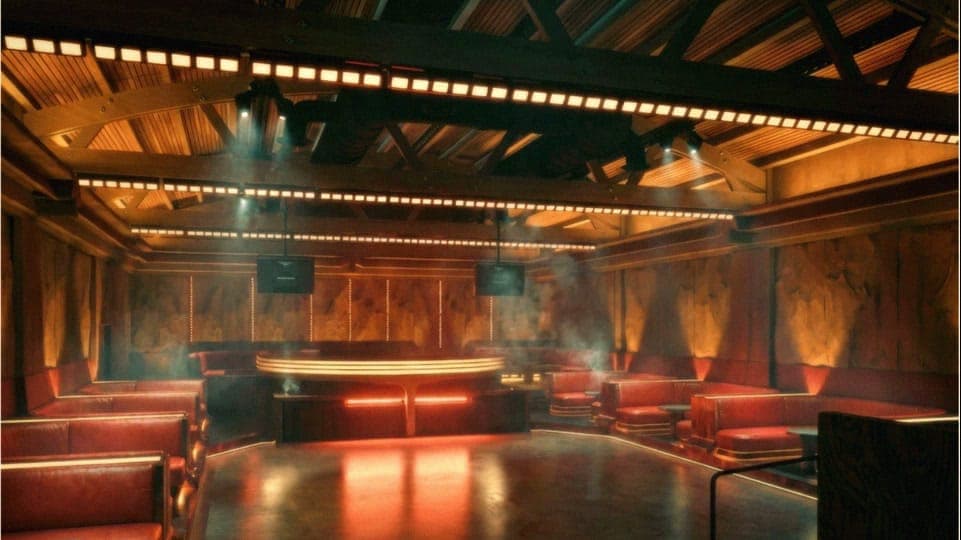
The address, 613 Imperial Street, puts ORIGIN squarely inside the Arts District, the neighborhood that has absorbed most of downtown LA's nightlife energy as older spaces have shuttered or gone up for redevelopment. The building is designed as an indoor/outdoor hybrid: a main music room connected to a large patio, with the layout built so a crowd can physically move between the two spaces as a night progresses rather than being locked into one room for the whole set.
Why does the sound system matter this much?
The headline spec here isn't the booking policy, it's the rig. ORIGIN is going in with a custom analog KV2 Audio system, tuned specifically for the room, plus a separate system engineered for the outdoor patio's open-air conditions. The person behind that tuning is Marc Dizon, whose install list reads like a shortlist of the US's most respected club-audio work: Brooklyn Mirage, Output New York, Hakkasan Las Vegas and Sound LA. Those are rooms that DJs and touring engineers talk about specifically because of how they sound, not just how they look on a lineup poster.
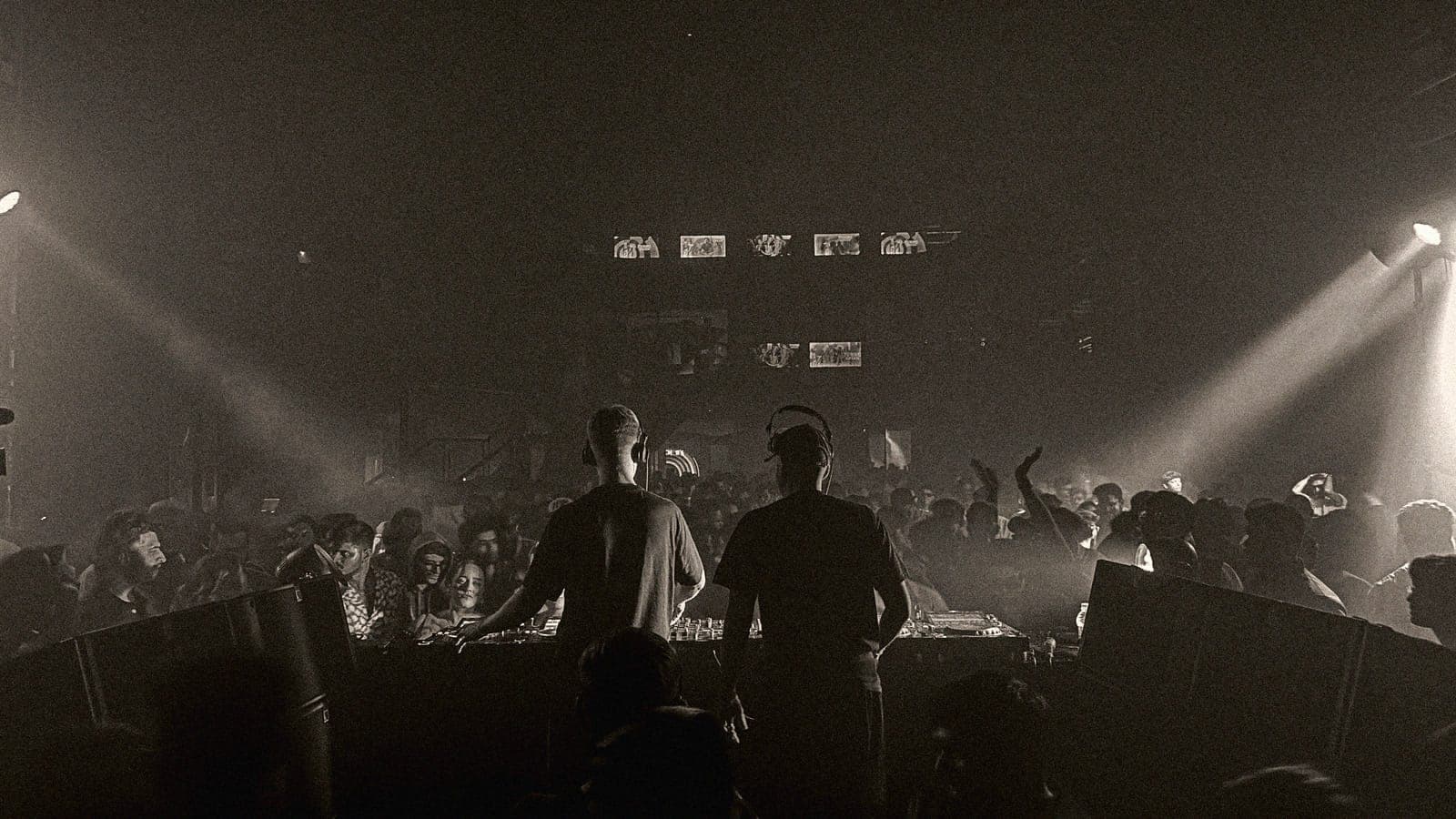
That matters more than it might read on paper. A club can book the right names and still lose the room if the low end doesn't hold up on a packed floor or the system can't stay even from the front of the stage to the back of a mezzanine. Bringing in an engineer with that specific résumé, before a single flyer goes out, is a signal about what kind of club ORIGIN wants to be: one judged by people who actually listen for it.
ORIGIN is being built around a main room and a large outdoor patio designed for movement between spaces through the night, with separate custom rigs tuned for each.
What will actually play there?
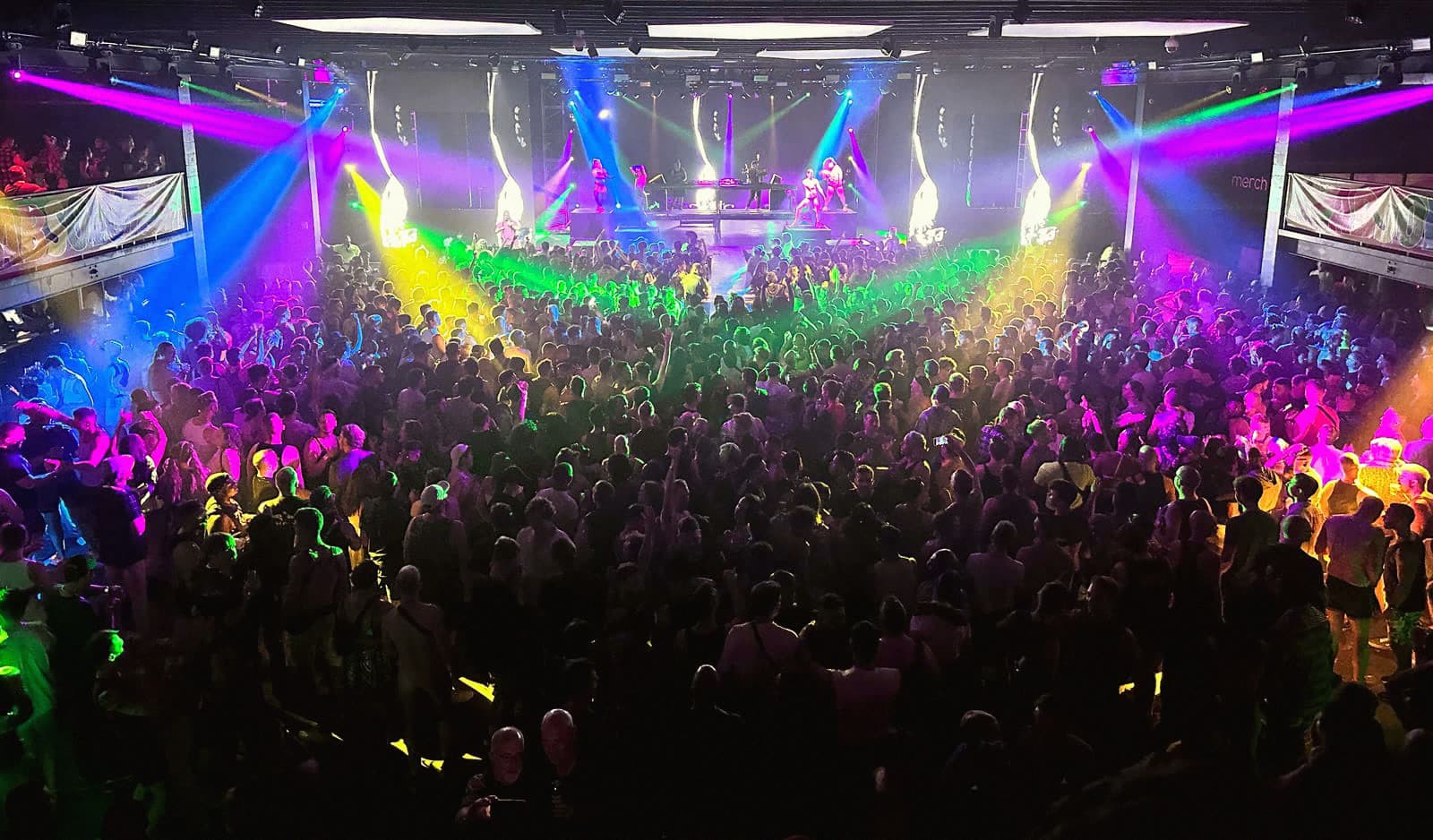
Programming is explicit about genre: house, techno and what the venue calls forward-thinking electronic music, not a generalist nightlife booking policy chasing whatever fills a Saturday. Fridays are set aside for live bookings pulling from both emerging and established artists. Saturdays alternate between daytime outdoor sessions and late-night club programming, giving ORIGIN two distinct audiences in the same week without diluting either one. No lineup or exact opening date has been announced yet; both source outlets and the venue's own materials point to late summer or early fall 2026.
Why it matters
A serious new room with this kind of sound investment is a vote of confidence in LA's underground at a moment when club real estate in the city has been genuinely unstable, and it gives touring house and techno artists a purpose-built home that didn't exist in the Arts District before.
What we think
The fact that ORIGIN is leading with its sound system, not its opening-night lineup, tells you who this club is actually being built for. Promoters who came up on the party side of LA nightlife rarely make audio the first line of the press release; Mehrabian and Bitar did, and pairing that with Marc Dizon specifically, rather than a generic installer, reads like people who've stood on enough bad-sounding dancefloors to know exactly what they didn't want to repeat.