What actually happened to the venue that owed him money?
The former Brooklyn Mirage spent all of 2025 dark. Its operator, Avant Gardner, cancelled a full summer season, including a multi-month residency from Black Coffee, then filed for Chapter 11 bankruptcy in August 2025 with $153.3 million in funded debt. The bankruptcy filing listed roughly $1.8 million owed to Black Coffee alone for those cancelled dates, one of dozens of artists, vendors and workers left as creditors.
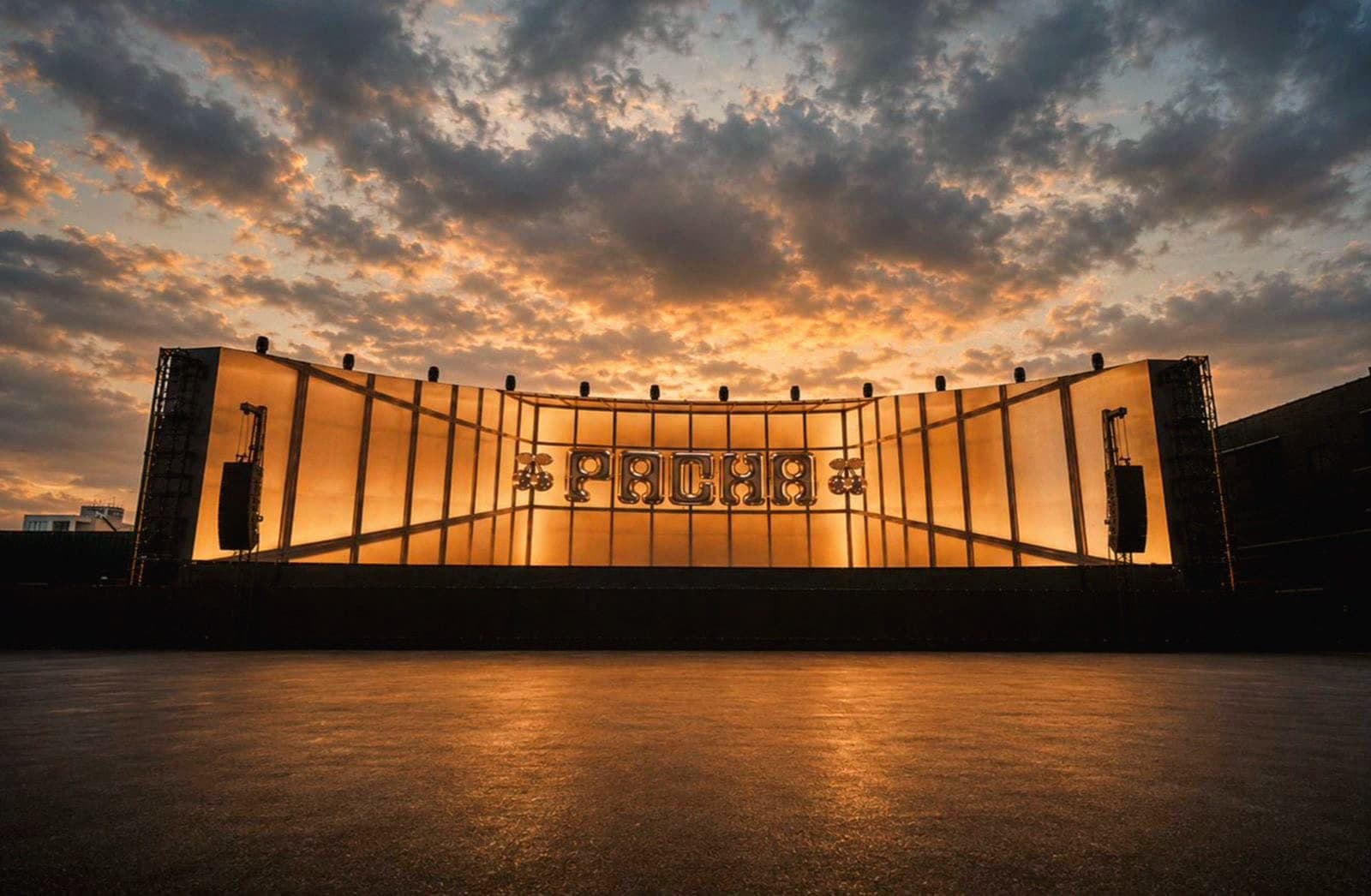
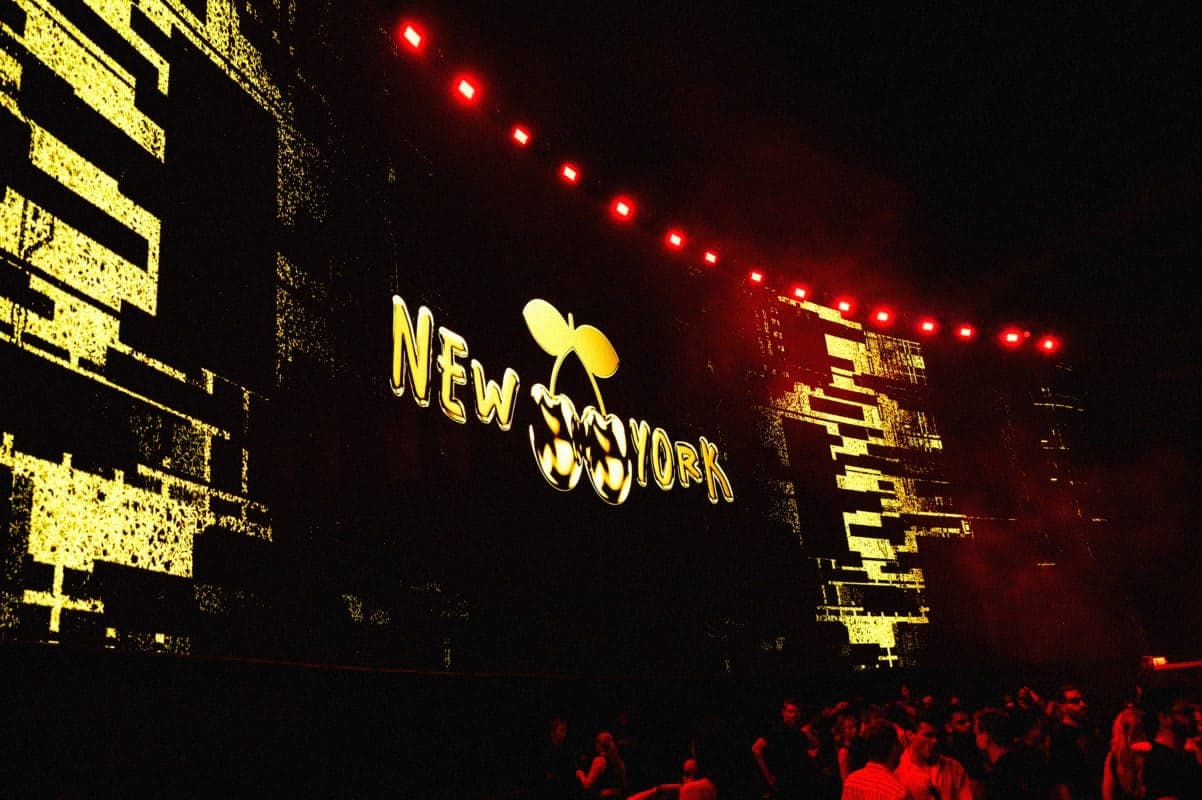
Into that vacuum stepped FIVE Holdings, the Dubai hospitality conglomerate that already owned the global Pacha brand after buying it for a reported $330 million in 2023. FIVE took the 140 Stewart Avenue site through a $110 million credit bid that cleared bankruptcy court in early 2026, and reopened it in June as Pacha New York with a three-night weekend: Solomun on Friday, Michael Bibi on Saturday, Black Coffee closing it out on Sunday.
How much are the artists and workers who got stiffed actually getting?
This is where the story stops being a comeback tale. Court filings show the sale almost blew up in January 2026, when the Official Committee of Unsecured Creditors objected that a side deal between Axar Capital and FIVE Holdings had structured a contingent payout to be "valueless from its inception," rerouting profits away from the very creditors, artists, trade vendors and hourly workers terminated without severance, who were owed money.
After what filings call "extensive and fairly hard-fought negotiations," a revised settlement gave those unsecured creditors more certainty, but not much more money: a combined minimum of $1.05 million upfront plus $750,000 a year for three years, roughly $6.8 million split across every artist, vendor and worker on the list. Black Coffee's individual claim alone was $1.8 million. Whether he personally recovered it in full, in part, or through some separate arrangement tied to his new booking fees has not been confirmed publicly by either camp.
Six point eight million dollars, guaranteed, split among every artist, vendor and worker Avant Gardner stiffed. Black Coffee's own claim was more than a quarter of that number by itself.
Why is Black Coffee the one on stage?
He headlined the official opening weekend, then came back for three more dates through October, making him a season-long fixture of Pacha New York's calendar. For a venue that owed him more than almost any other artist on its creditor list, booking him as the face of the relaunch reads either as a genuine peace offering or as the cheapest kind of reputation laundering: put the person you stiffed on the flyer and let the crowd assume the debt is history.
FIVE Holdings frames its arrival as a rescue: a $27 million pledge over ten years for safety, transport and community programs, including $3 million earmarked for Brooklyn arts and youth initiatives, plus 30,000 goodwill vouchers for ticket holders burned by the 2025 cancellations. Its own numbers tell a different story about scale. $589 million in 2024 revenue, $208 million in EBITDA, and a fresh $460 million credit facility from Commercial Bank of Dubai, AAIB and Santander earmarked for expansion into Dubai, Ibiza, the US and Asia. CEO Kabir Mulchandani has called New York "the financial and cultural capital of the world," finance ahead of the culture it bought into.
What does this mean for the rest of the scene?
It is the same pattern driving boycotts elsewhere in the industry: a capital group buys a storied nightlife brand, absorbs its unresolved debts into a much bigger balance sheet, and relaunches it with the same names that gave it credibility in the first place. Whether Black Coffee negotiated a real settlement or is simply being paid a normal booking fee that has nothing to do with what he was owed, the visible effect is the same: the story becomes a comeback, not a reckoning.