Some people arrive at a party believing the DJ is responsible for everything. If the music is good, they'll dance. If the vibe is right, they'll enjoy themselves. If the night falls flat, they'll blame the DJ.
But that is only half the story.
The relationship between a DJ and a dancefloor has never been one-way. It is a conversation. The DJ speaks through music, and the crowd answers through movement. Each shapes the other in real time.
⸻
WHY THE BEST DJS NEED THE BEST DANCEFLOORS
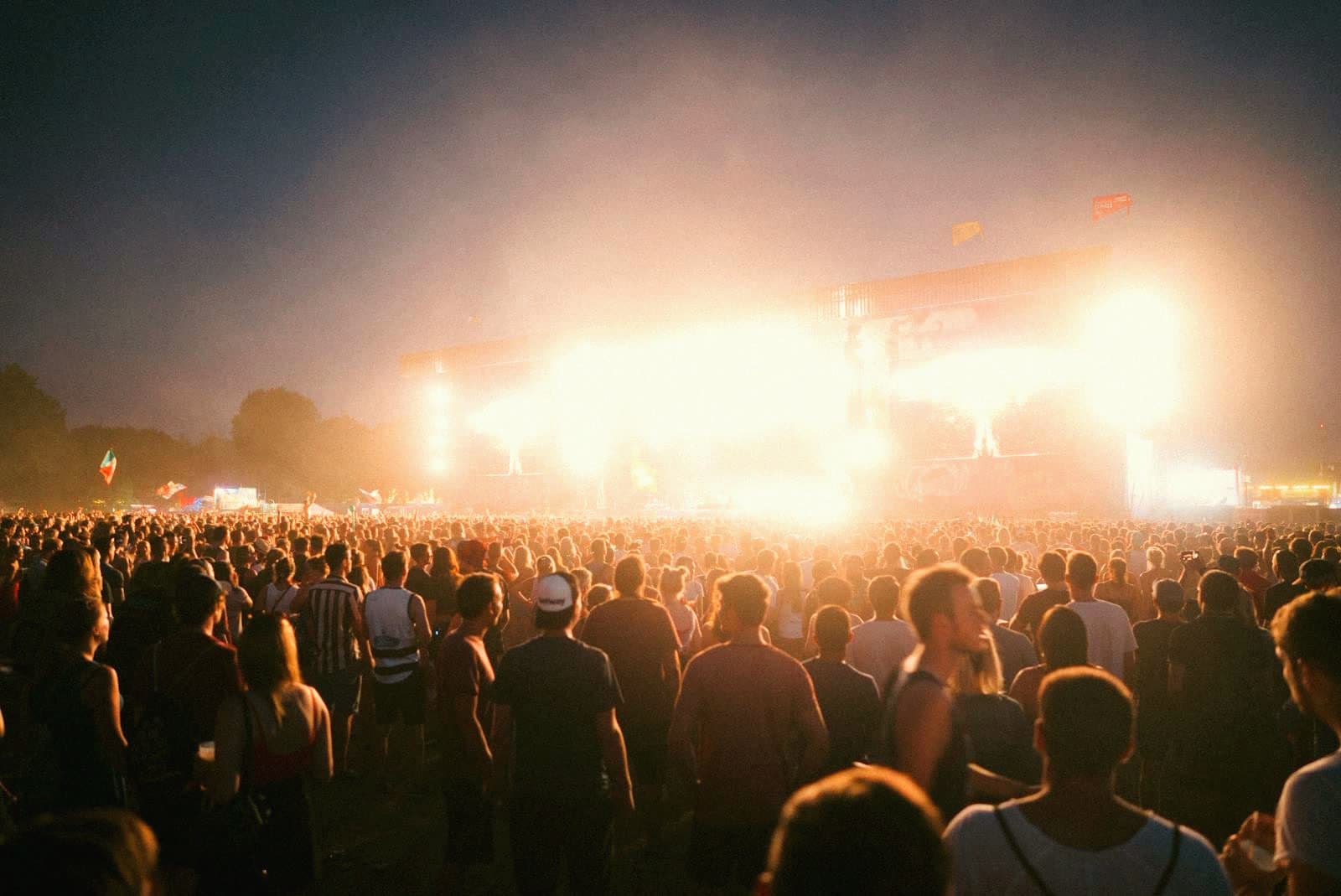
The world's greatest selector cannot create magic in a room full of folded arms and glowing phone screens. At the same time, an ordinary set can become unforgettable when a crowd completely surrenders to the moment.
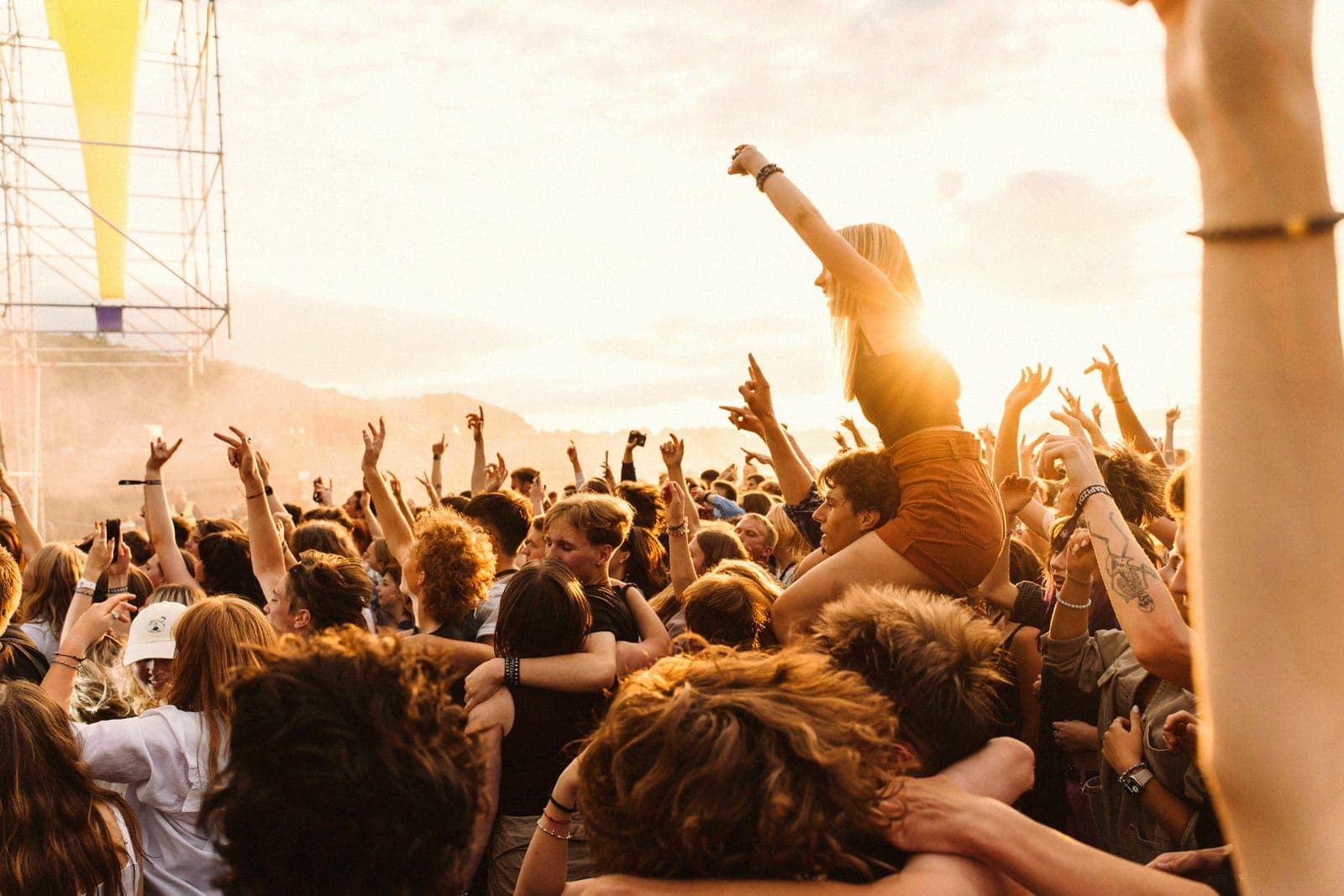
Every cheer changes the energy. Every smile spreads. Every stranger you dance beside becomes part of the atmosphere. One person dancing without inhibition gives permission for someone else to do the same. That freedom spreads across the room until hundreds of people are sharing the same pulse.
The best nights are never consumed.
They are co-created.
⸻
WHY DID DAVID MANCUSO PUT THE DANCEFLOOR AT THE CENTRE?
This is exactly why the pioneers of house music designed their parties the way they did.
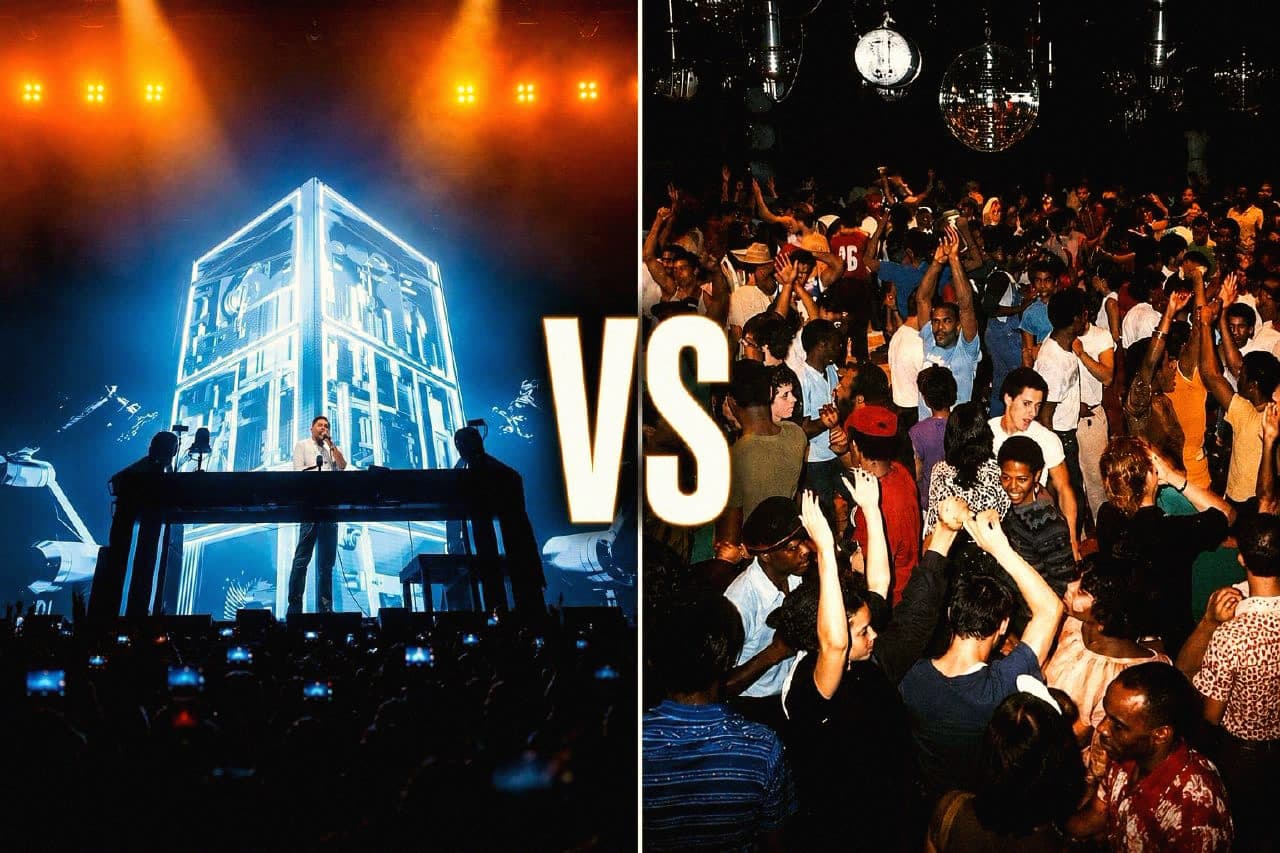
When David Mancuso opened The Loft in New York in 1970, he refused to build a hierarchy. There was no elevated stage placing the DJ above everyone else. No VIP section separating people by status. No alcohol sales encouraging consumption over connection.
The dancefloor itself became the centrepiece.
That philosophy shaped Paradise Garage, The Gallery and The Saint, while dancers like Larry Levan and Frankie Knuckles carried those values into the clubs that would define house music.
The message was simple:
The party belongs to everyone dancing in it.
⸻
WHAT HAPPENS INSIDE YOUR BRAIN WHEN A CROWD MOVES TOGETHER?
More than fifty years later, science suggests those pioneers were right.
Researchers at University College London fitted audience members with EEG headsets during live performances and found that people's brain activity began to synchronise. The strongest synchrony occurred when performers made eye contact with the audience. Watching exactly the same performance on a screen produced far weaker effects.
Simply being together changes the experience.
More than a century before neuroscientists measured this effect, sociologist Émile Durkheim gave it a name: collective effervescence. It describes the emotional surge that emerges when a group becomes more than the sum of its individuals.
Anyone who has experienced a truly special dancefloor knows exactly what he meant. There comes a moment when nobody is thinking about work, wondering what time it is, or caring who has more followers. The room breathes together. The music no longer feels like something coming from speakers. It feels like it exists between the people.
⸻
WHY YOUR PHONE CHANGES THE VIBE
That feeling cannot be streamed. It cannot be captured by filming the entire set through a six-inch screen. It can only be experienced by participating.
If synchrony is what creates connection, then every moment spent looking at your phone is a moment spent stepping outside of it. You're no longer reading the room, making eye contact or giving your energy to the crowd. The dancefloor loses something every time attention leaves the moment.
Presence is contagious.
But distraction is too.
⸻
YOU ARE NOT WATCHING THE RAVE. YOU ARE THE RAVE.
In an era where nightlife increasingly becomes content, choosing presence has become almost radical.
Put the phone away. Dance without worrying how you look. Smile at someone you've never met. Cheer when the DJ takes a risk. Become part of the energy instead of observing it.
Because you are not simply attending the rave.
You are helping create it.
The DJ may provide the soundtrack.
But the dancefloor writes the story.