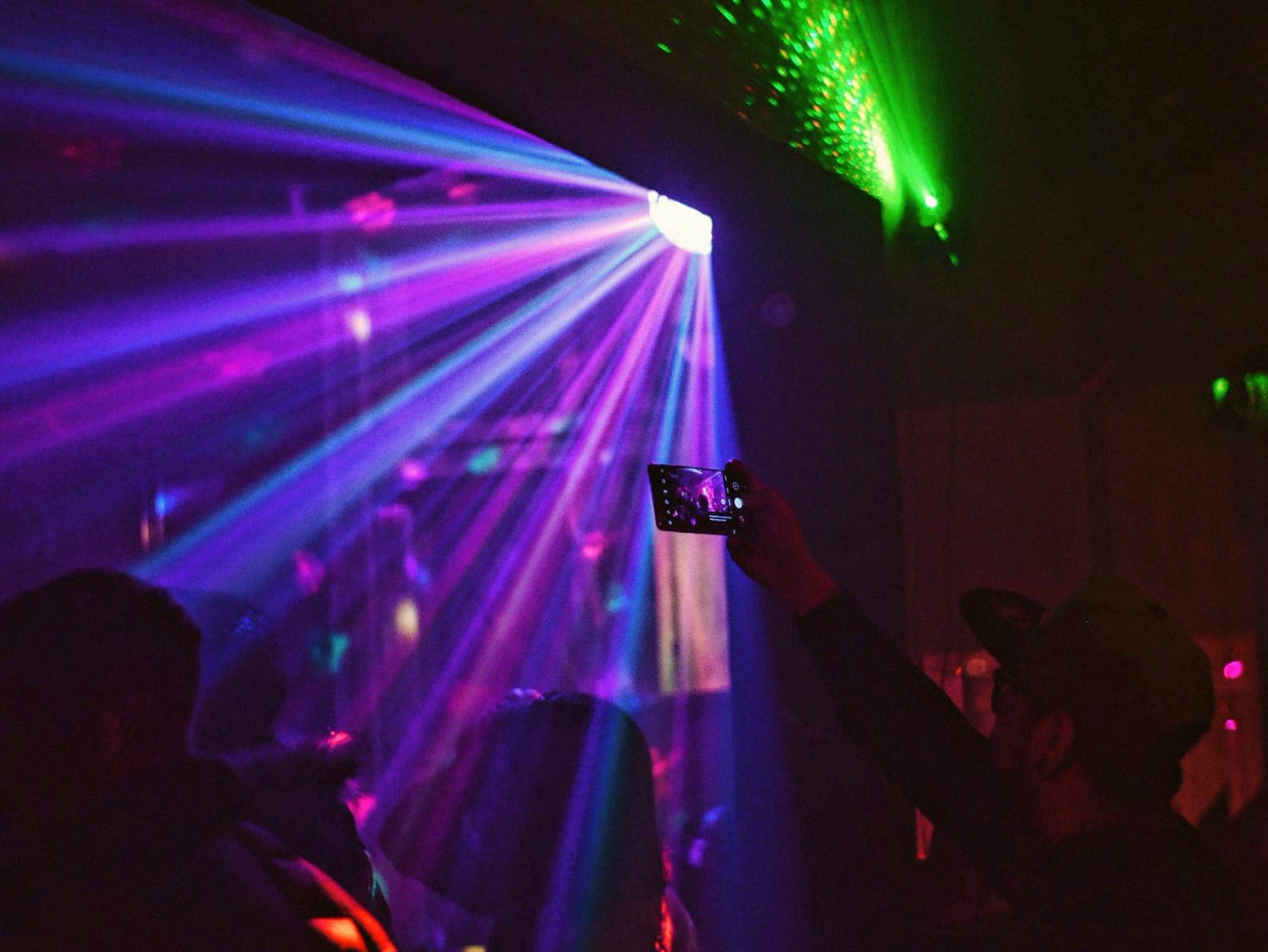
Tech-house nights on the Tuscan coast just got a lot shorter, and it started with two fights the club's owners say never happened where the police think they did.
What did Pisa's police actually order?
Pisa's Questore, the city's police chief, suspended the operating license of Monkey Beach Club for 15 days, invoking Article 100 of Italy's Testo Unico delle leggi di pubblica sicurezza, the 1931 public-security statute that lets a questore shutter a venue by administrative order rather than through a court. The order cited two assault episodes roughly a month apart that it linked directly to the club's clientele, one of them involving the venue's own security staff. Monkey Beach Club sits inside the Cosmopolitan beach facility in Tirrenia, between via dei Pioppi and via delle Abetelle, and had been running a tech-house-driven summer program with bookings including Federico Scavo and Ander.
The suspension did not come out of nowhere. In July, the same questura hit two other nearby venues with near-identical orders: La Siesta Beach in Calambrone got a 30-day suspension over what the order called urban decay around the venue, and Pappafico in Marina di Pisa was suspended for running events without the proper authorization. Three clubs on the same stretch of coast, three suspensions, six weeks.
What do the owners say actually happened?
Monkey Beach Club's owners did not take the order quietly. They published an open letter contesting all five points the questura raised, arguing that the cited incidents happened 500 meters to a kilometer from the venue, hours after it had closed for the night, or outside the range its own security cameras cover. "Pisa è una città per vecchi," they wrote, this is a city for old people. They said the club had passed more than ten police, fire and health inspections over the summer with no violations recorded, and that their biggest regret was for the 50 staff who lost two weeks of wages while the doors stayed shut.
"Pisa è una città per vecchi."
The letter does not deny that the assaults happened. It disputes that they should count against the venue at all, a distinction that matters both legally and for every operator watching how far a questore's public-security powers reach beyond a club's own walls and hours.
What changes now that it has reopened?
Monkey Beach Club reopened for the weekend of September 4 and 5, its first event since the shutdown. It did so under new terms: the day the owners published their letter, Pisa's municipal government issued a separate ordinance restricting nightlife across Tirrenia through September 30, capping music at 1am on weekdays and 2am on weekends, with alcohol service stopping at 1:30am. For Monkey Beach Club, that means closing at 2am instead of its previous 4am, a third of its operating window gone regardless of how the license dispute resolves. "Finalmente possiamo dirvelo: ripartiamo," the owners posted on reopening, finally we can tell you, we're restarting. Management says it will keep contesting the hour restrictions through legal channels while asking patrons for responsible behavior on the floor.
For anyone booking or running a room on the Italian coast, the sequence is the part worth watching: a police order that does not require a conviction, a public rebuttal that concedes nothing on the law, and a curfew that lands regardless of who is right about the fights.